

Sign up to stay informed about our latest restoration projects, industry news and more
By signing up, you agree to the Carrosserie Privacy Policy
Start your restoration journey with us today
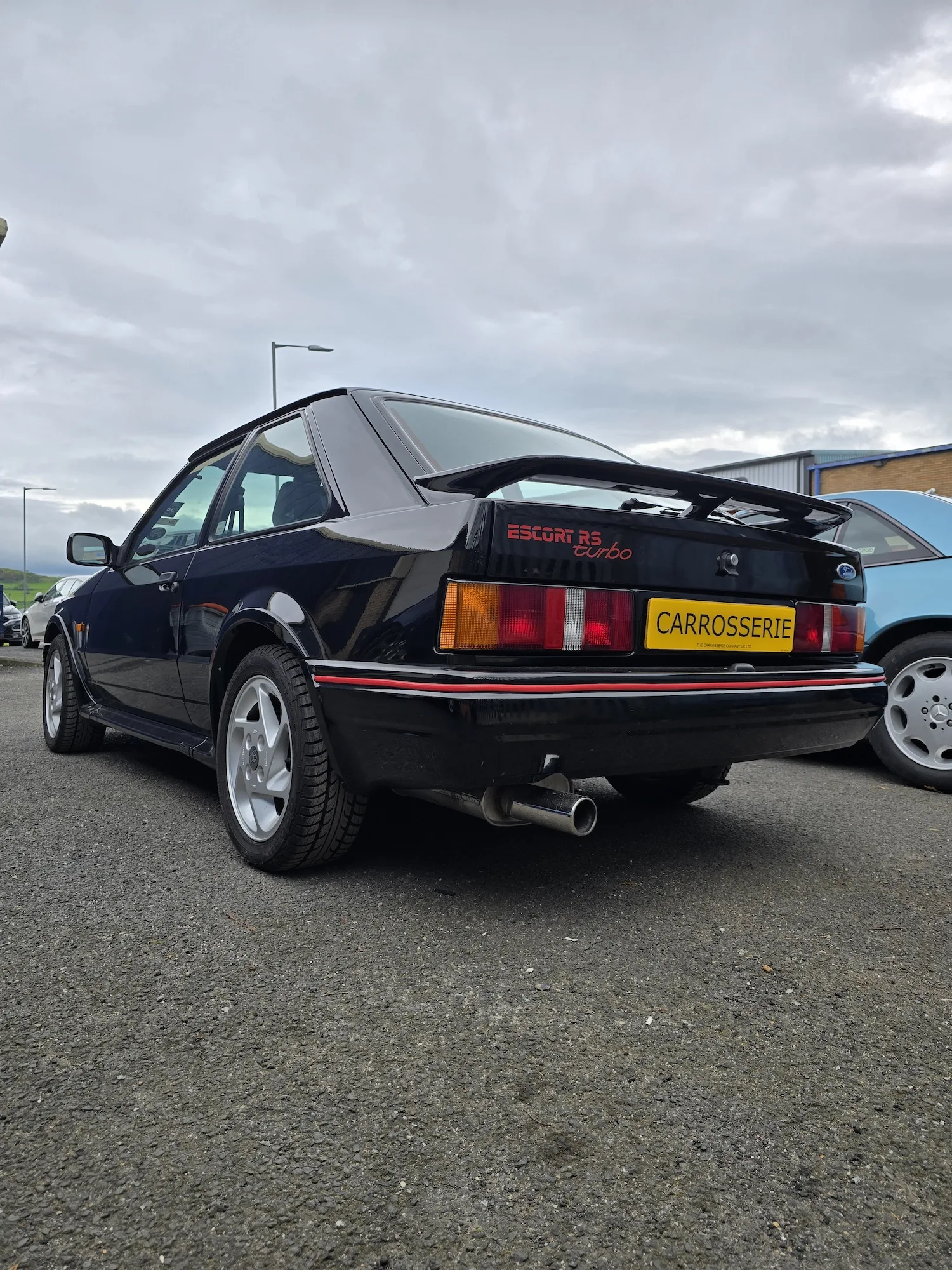
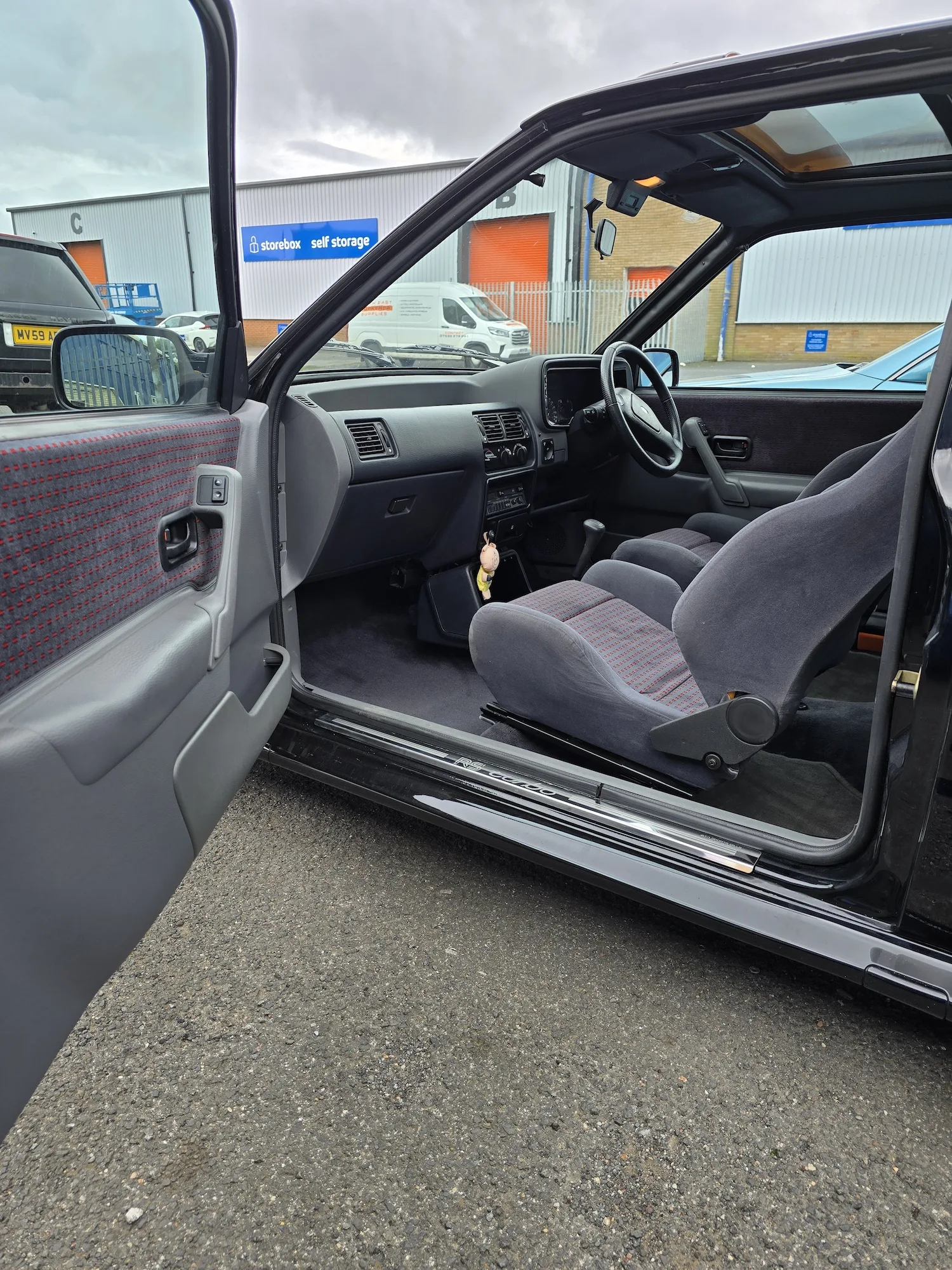
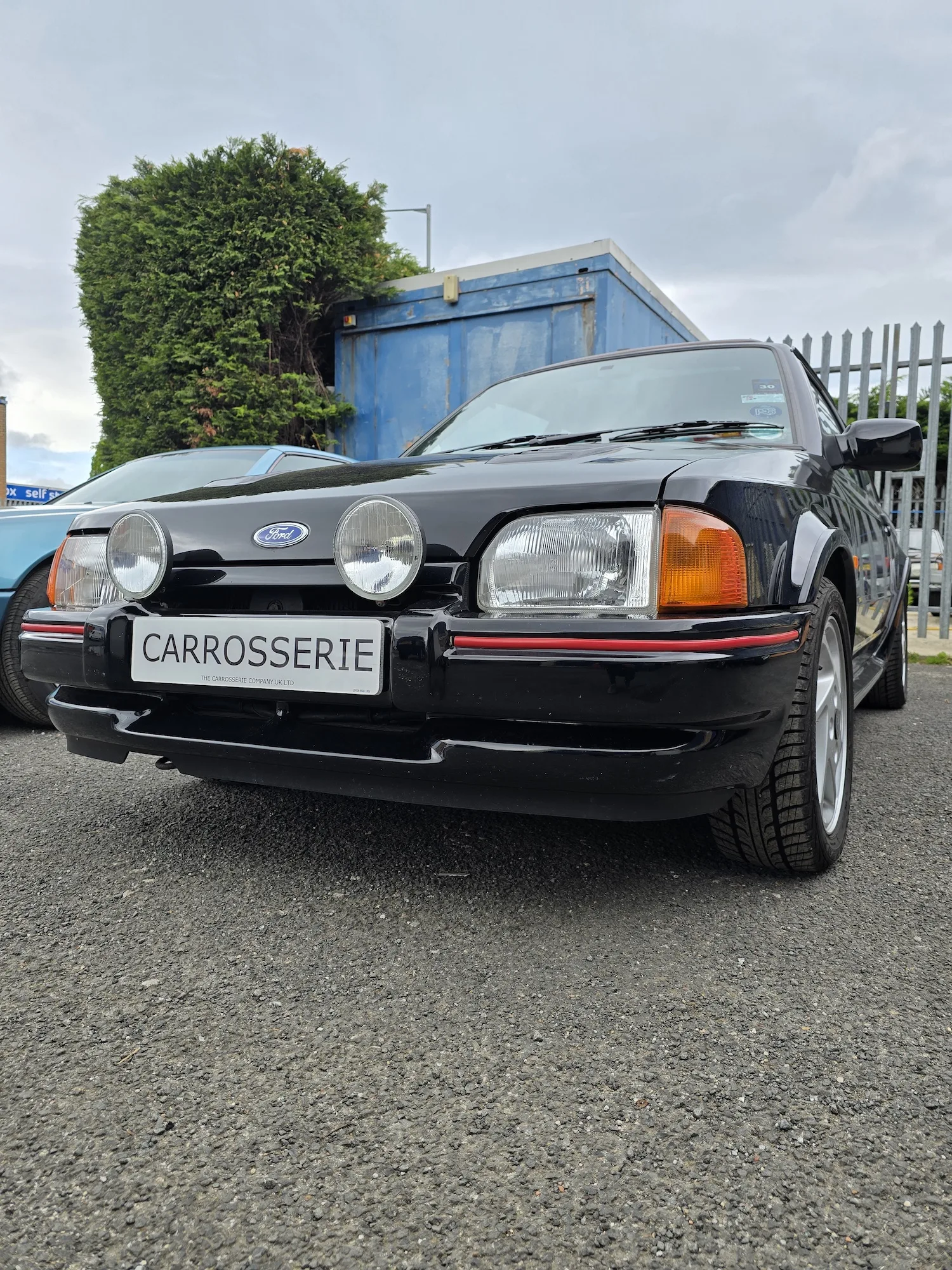
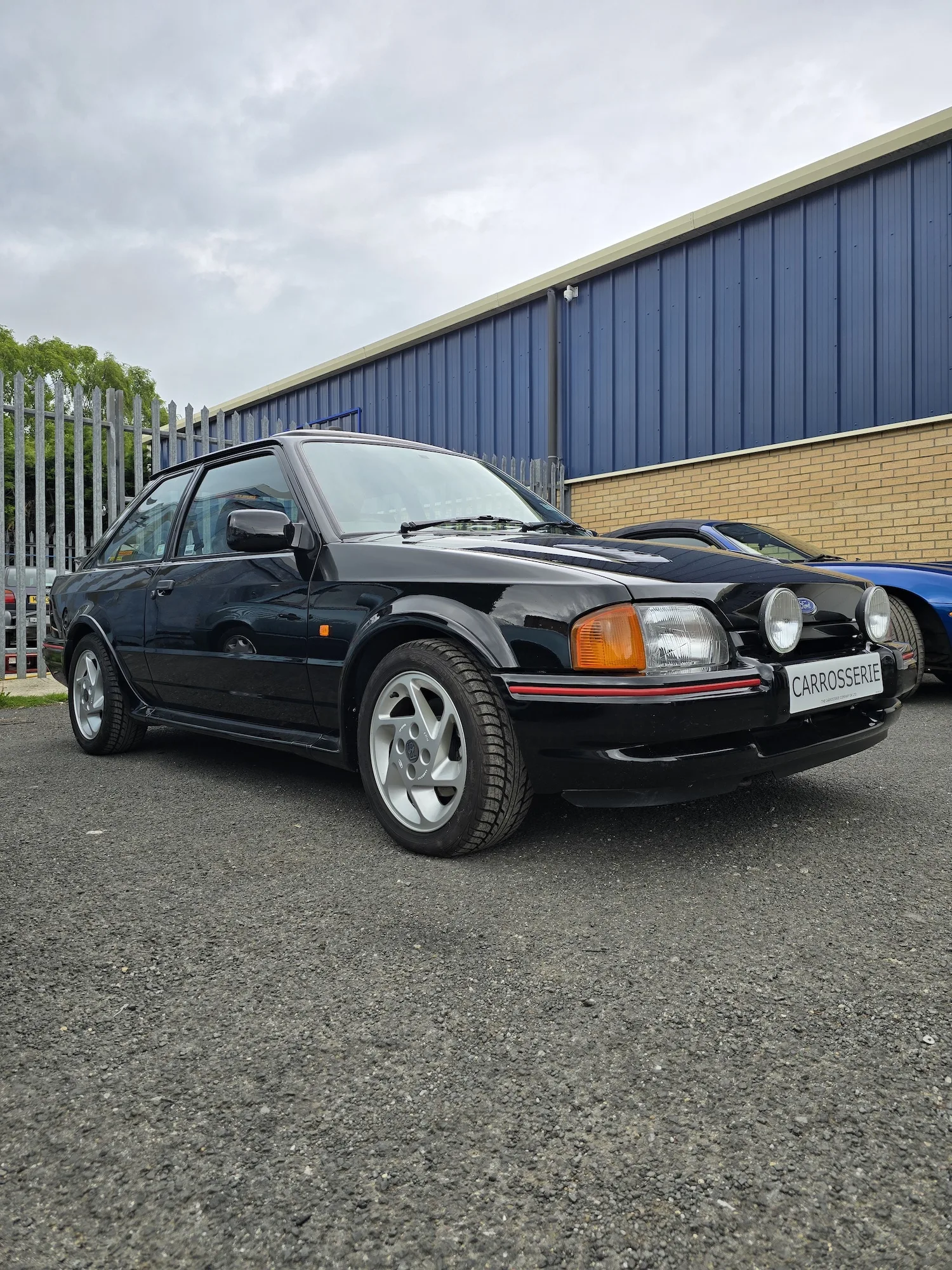
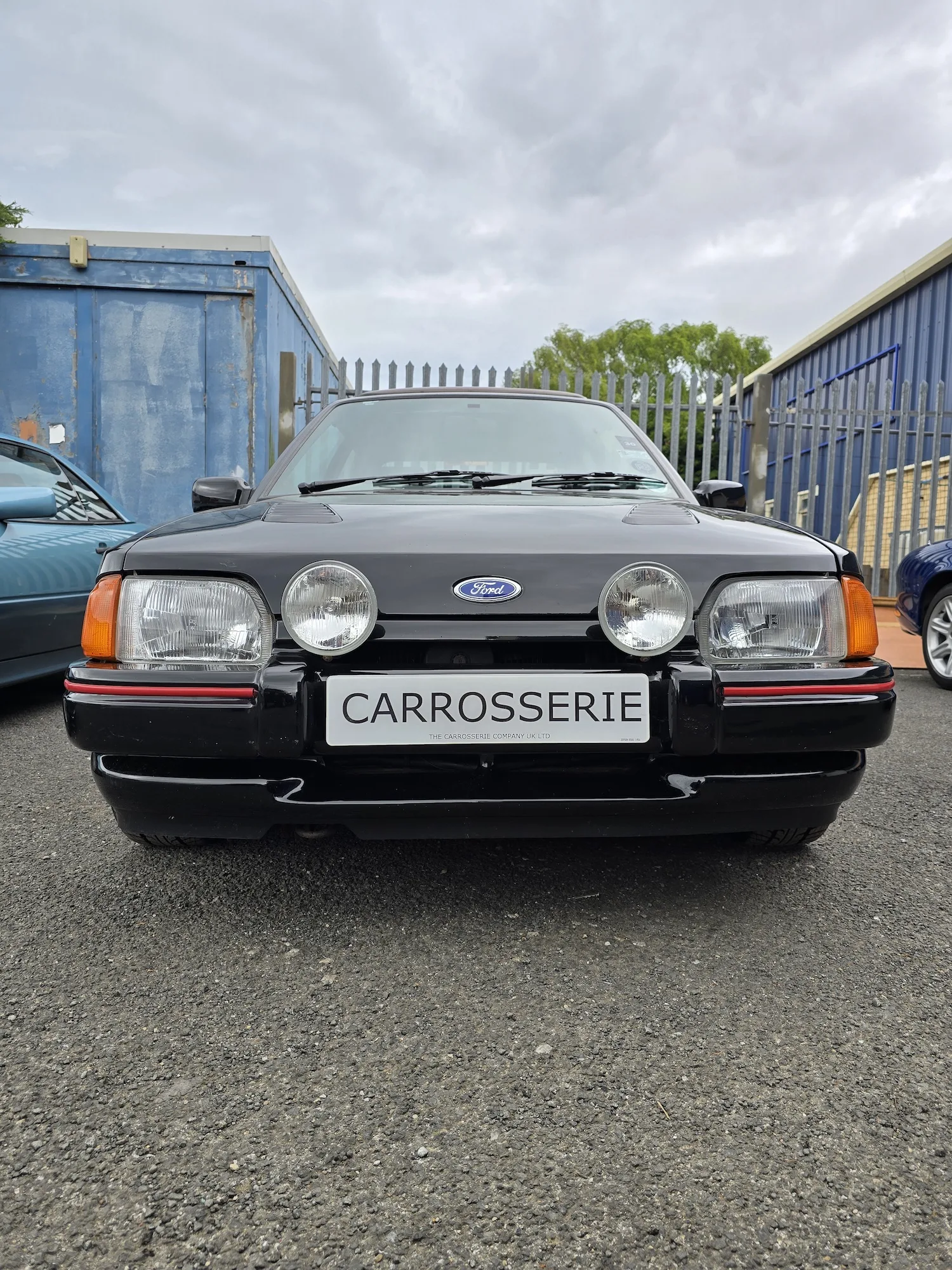
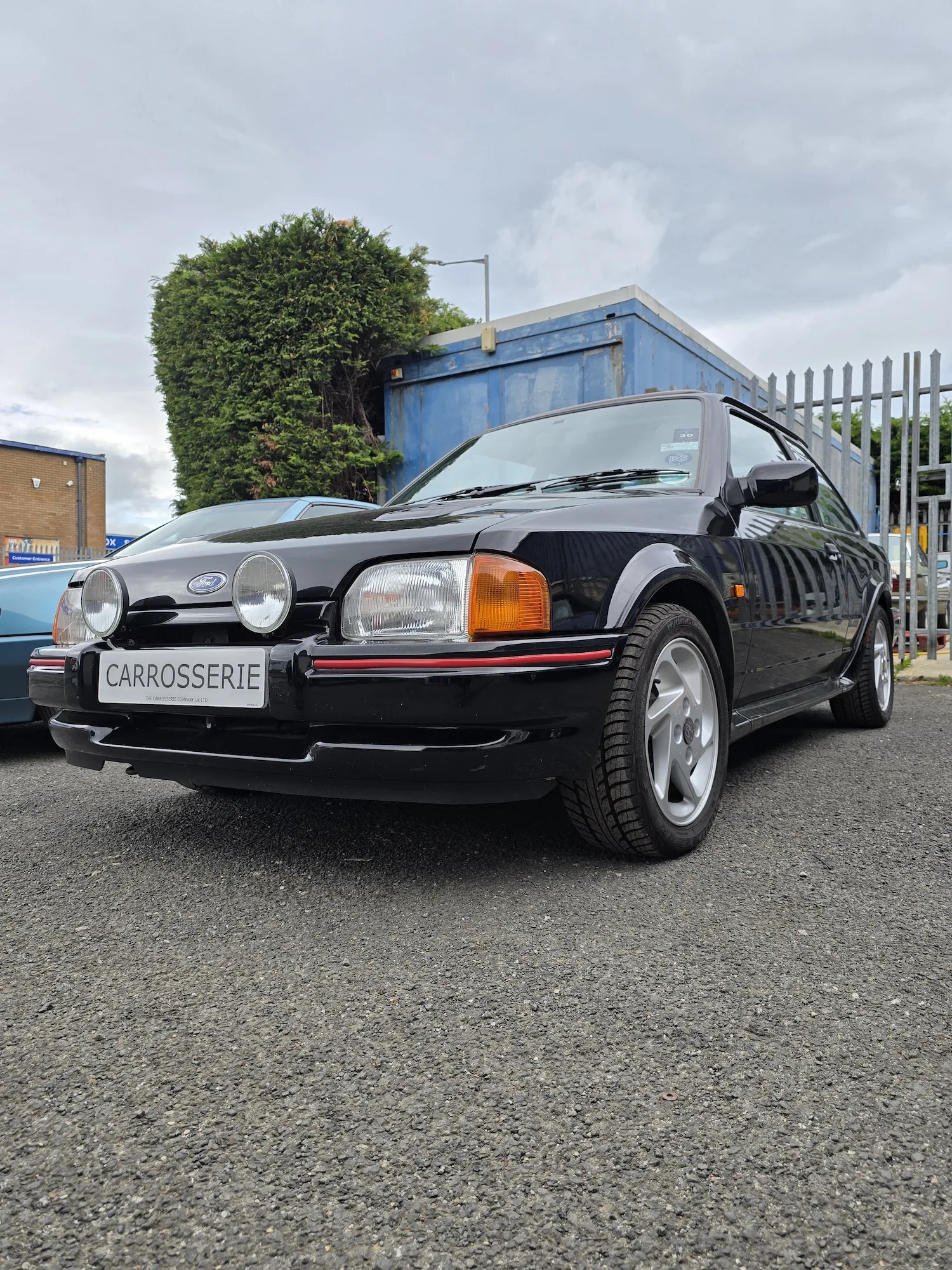
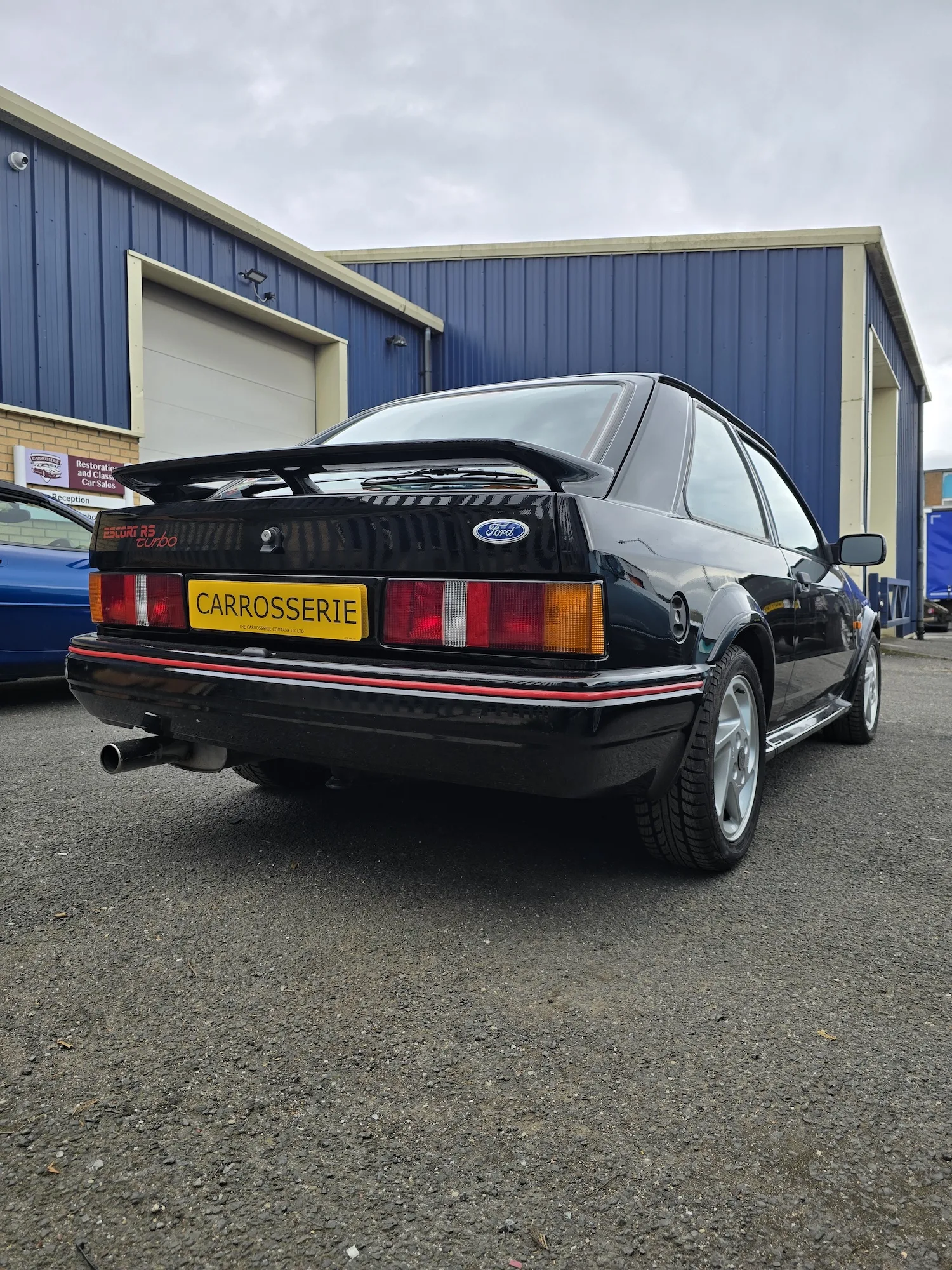
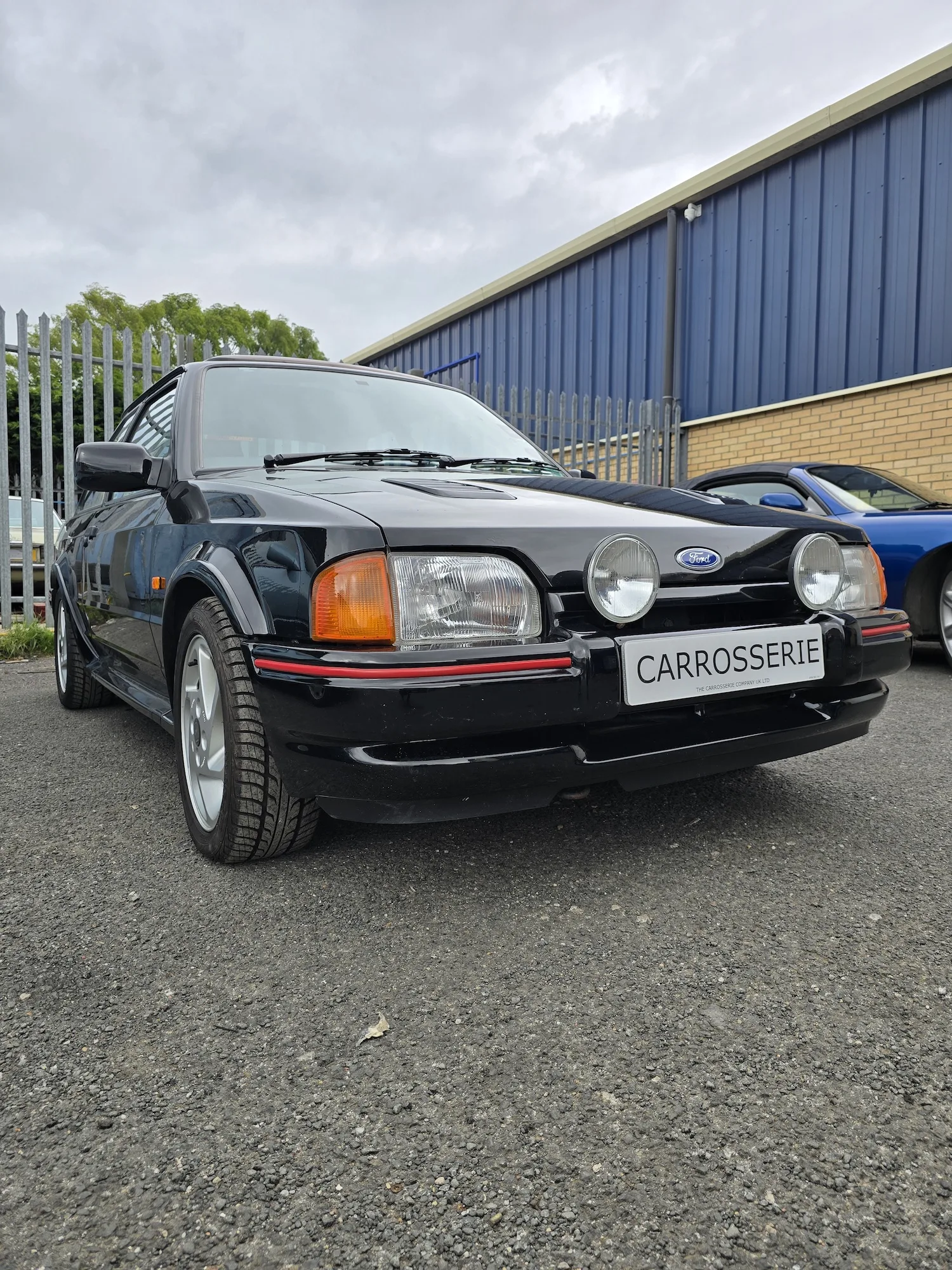
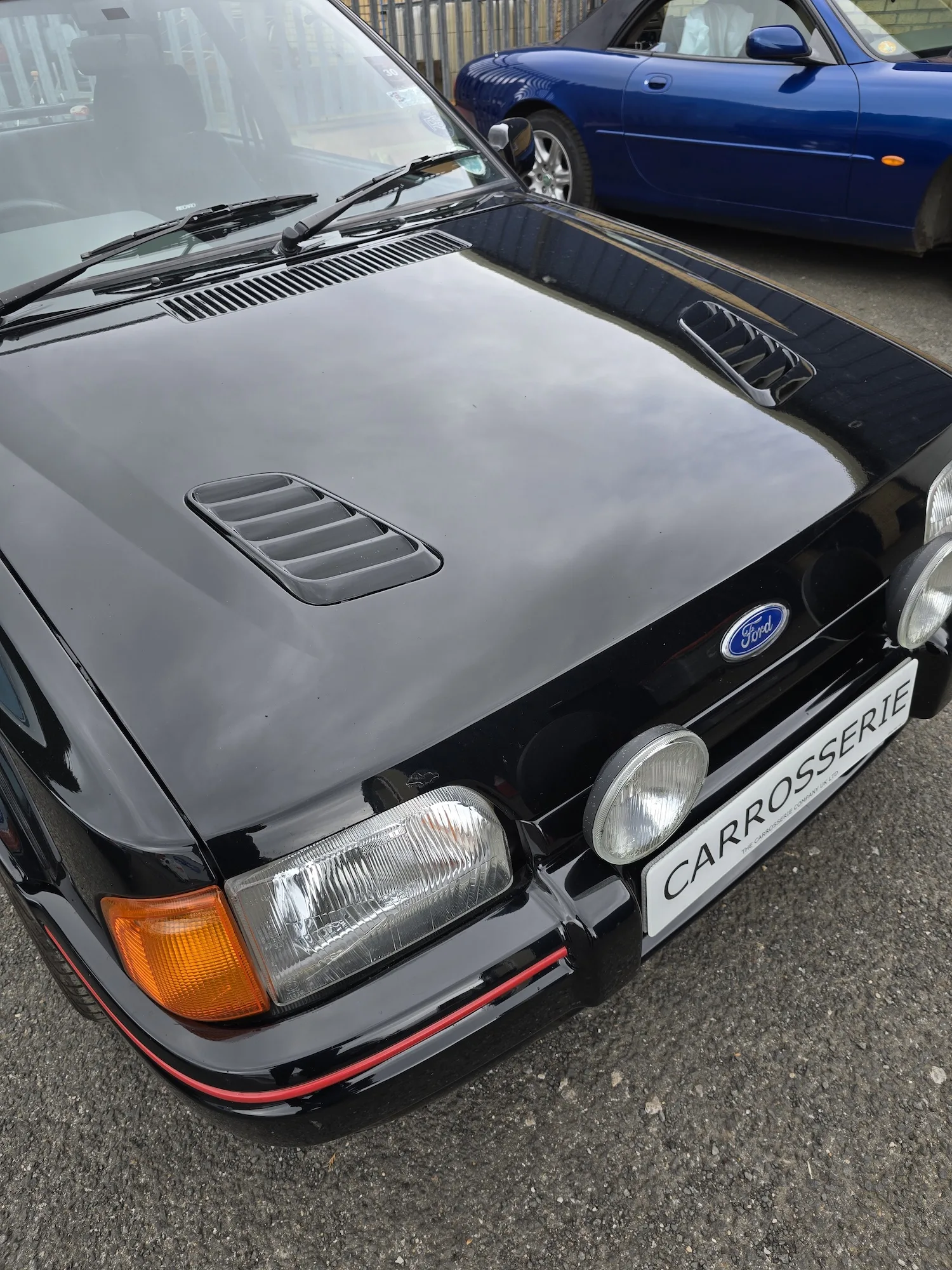
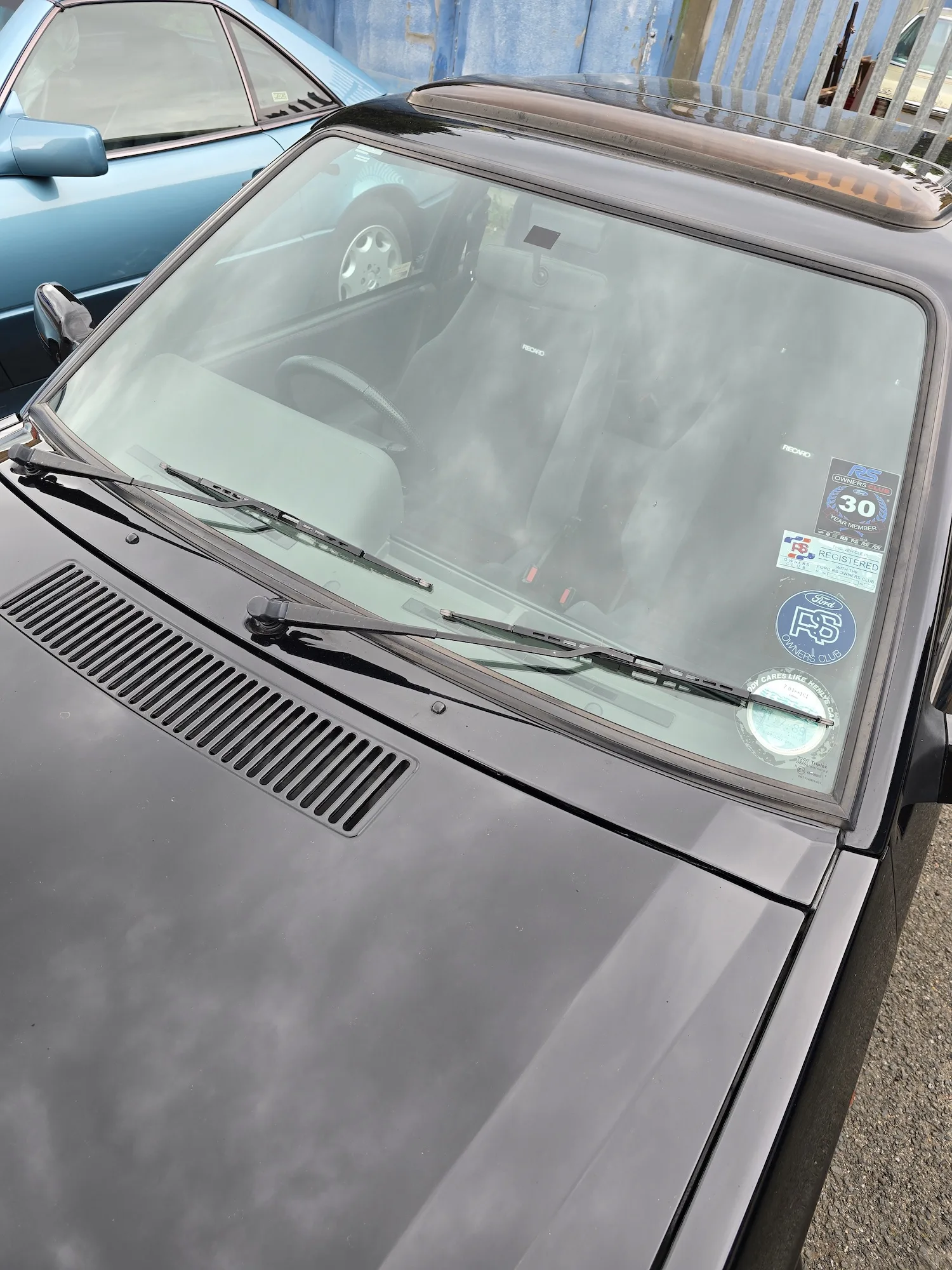
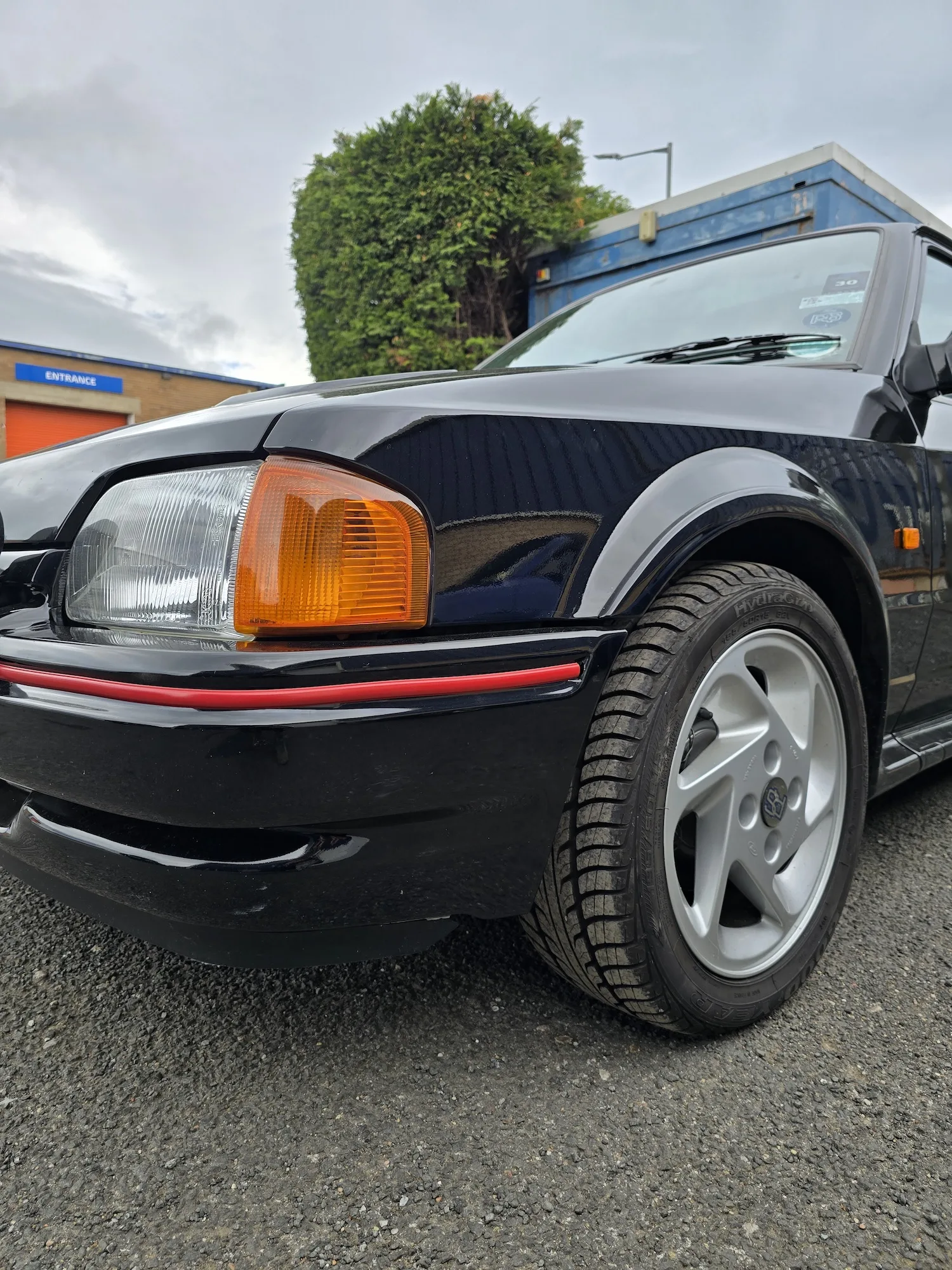
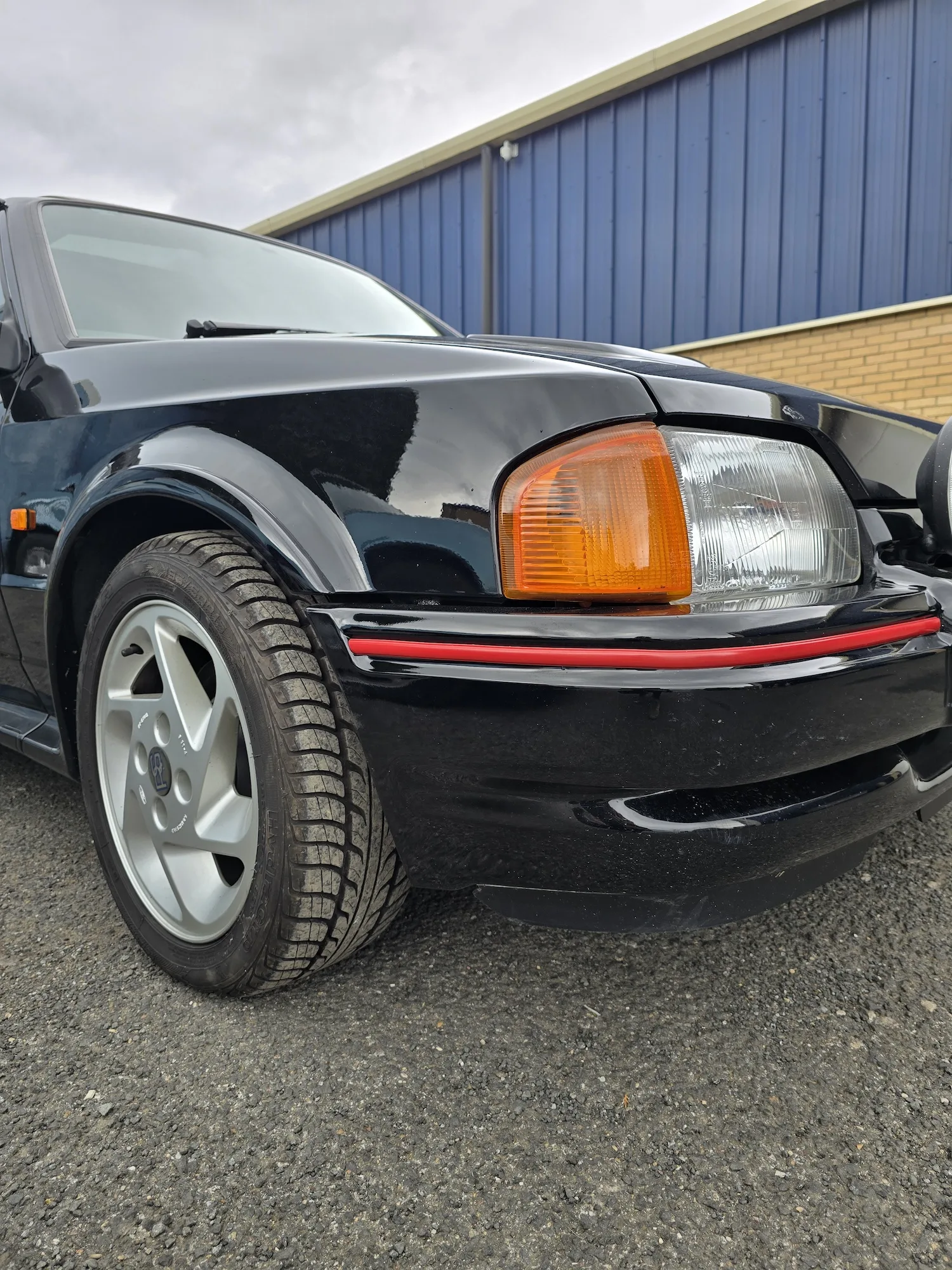
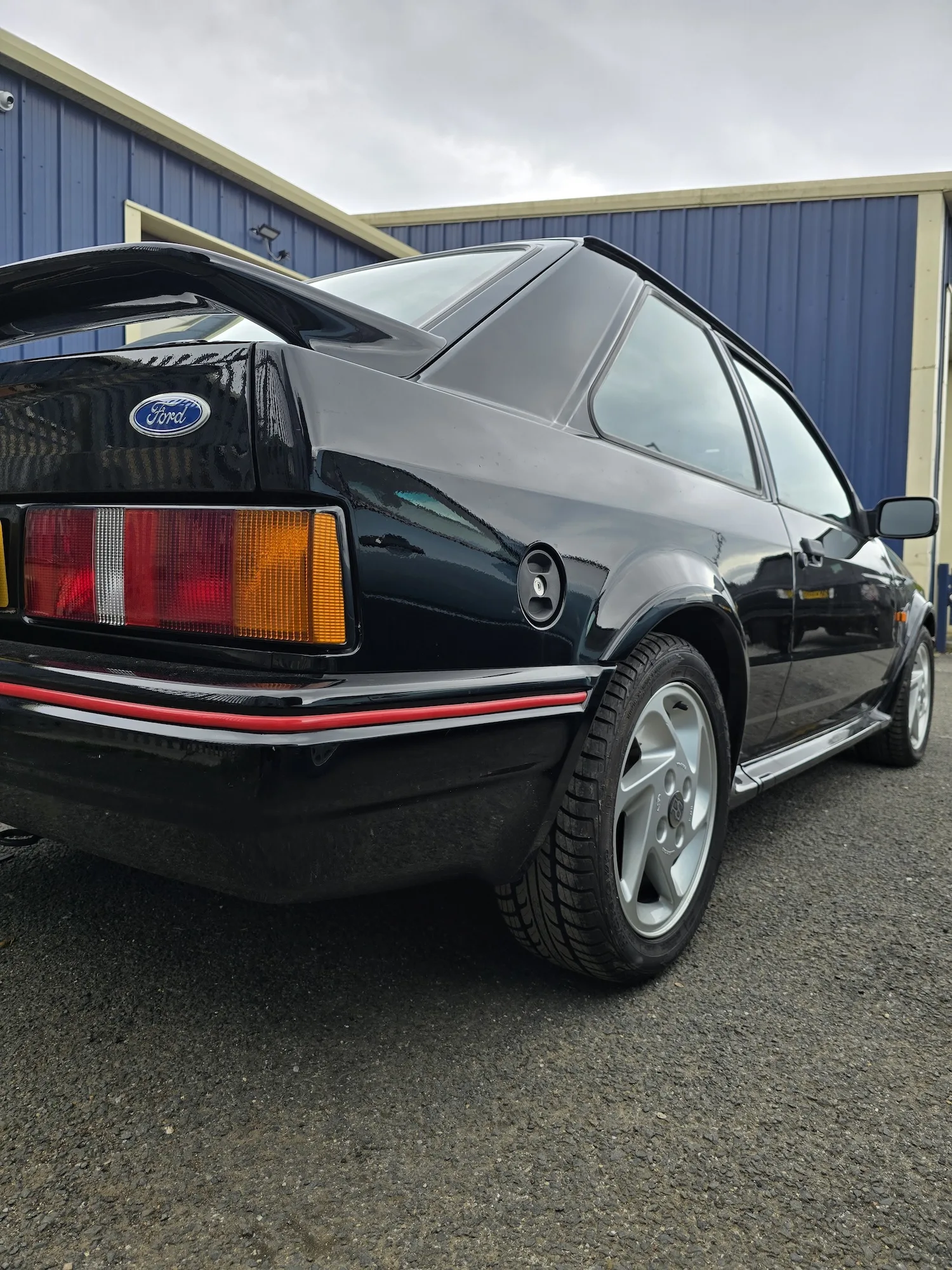
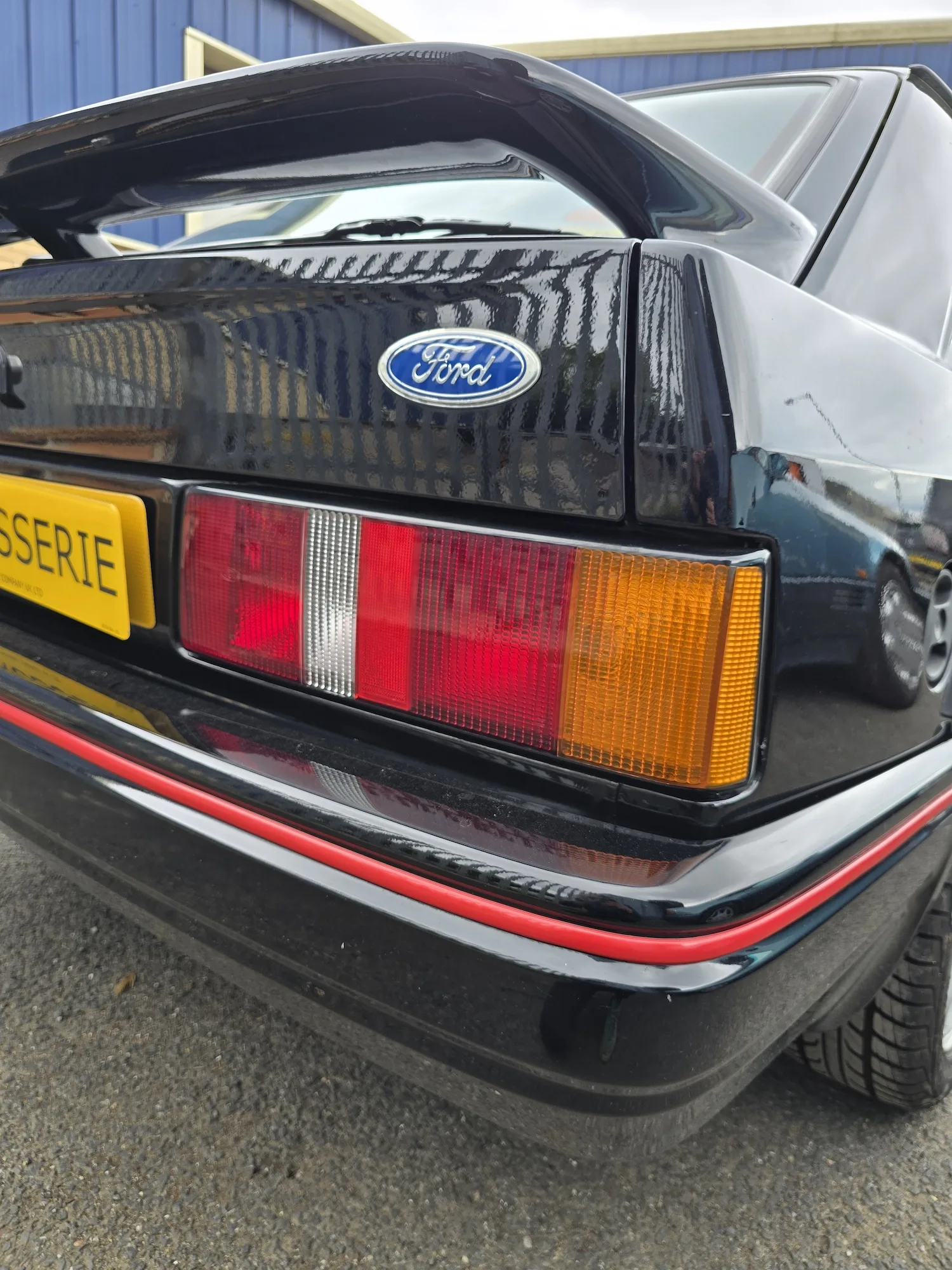
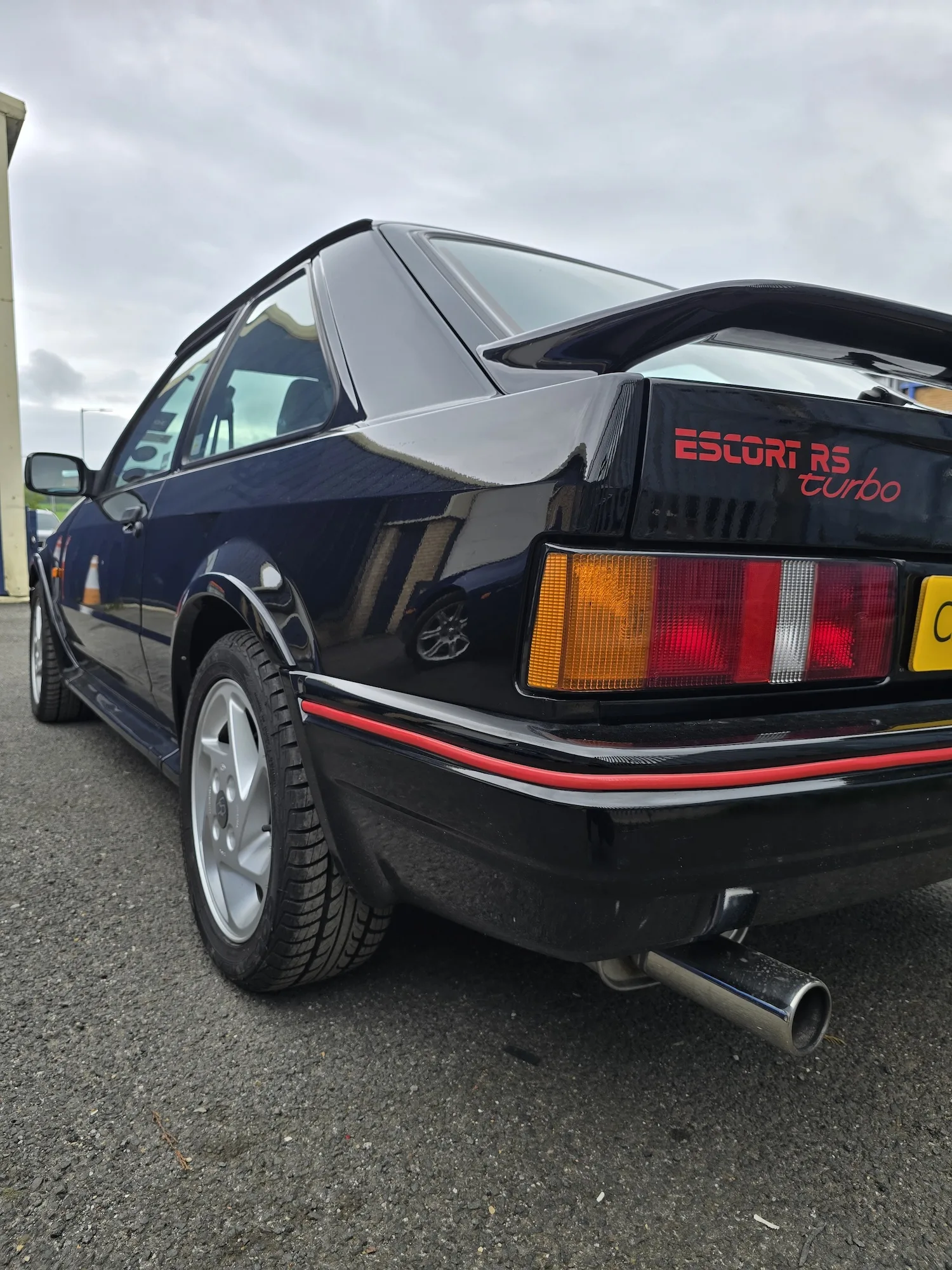
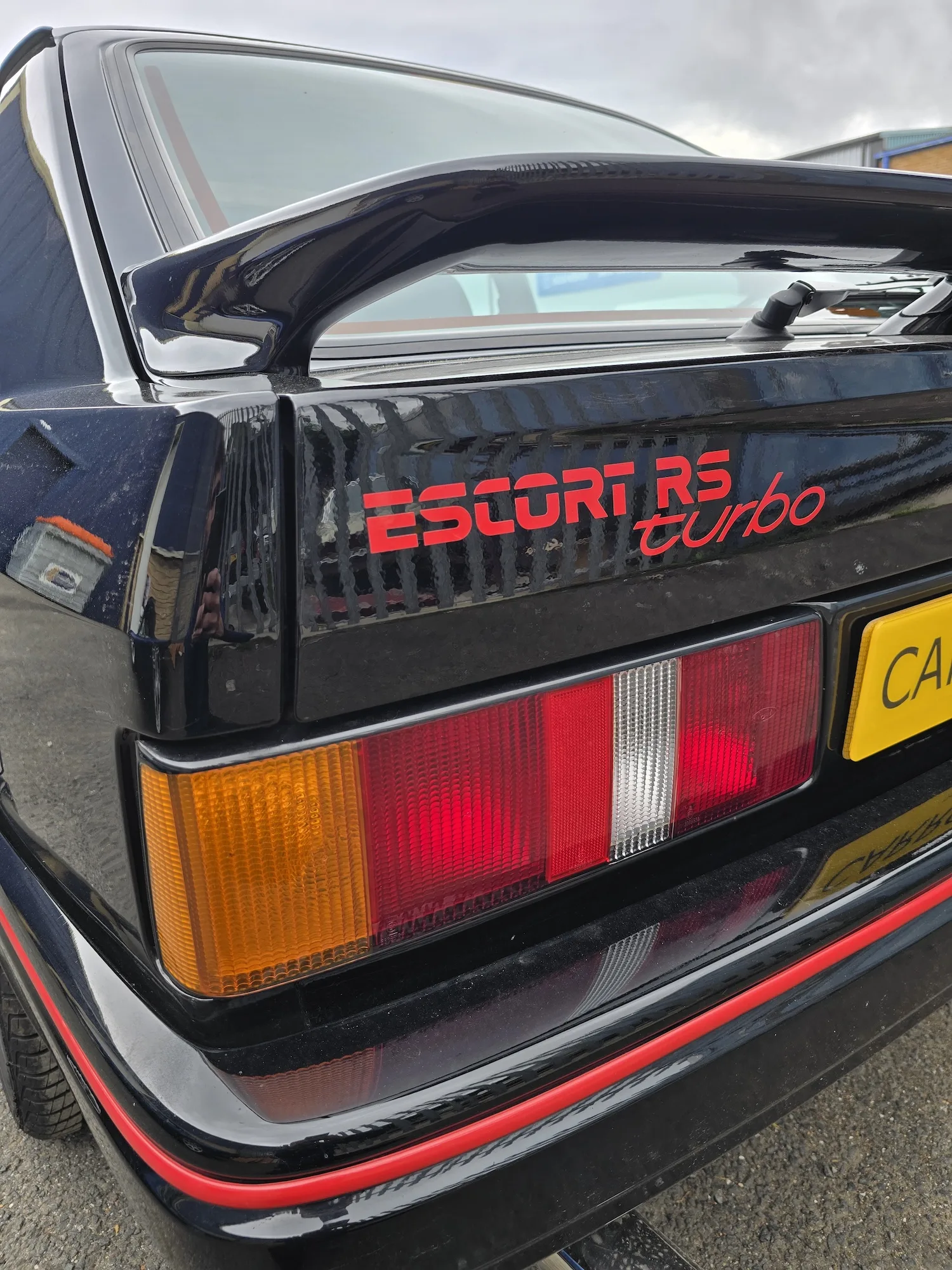
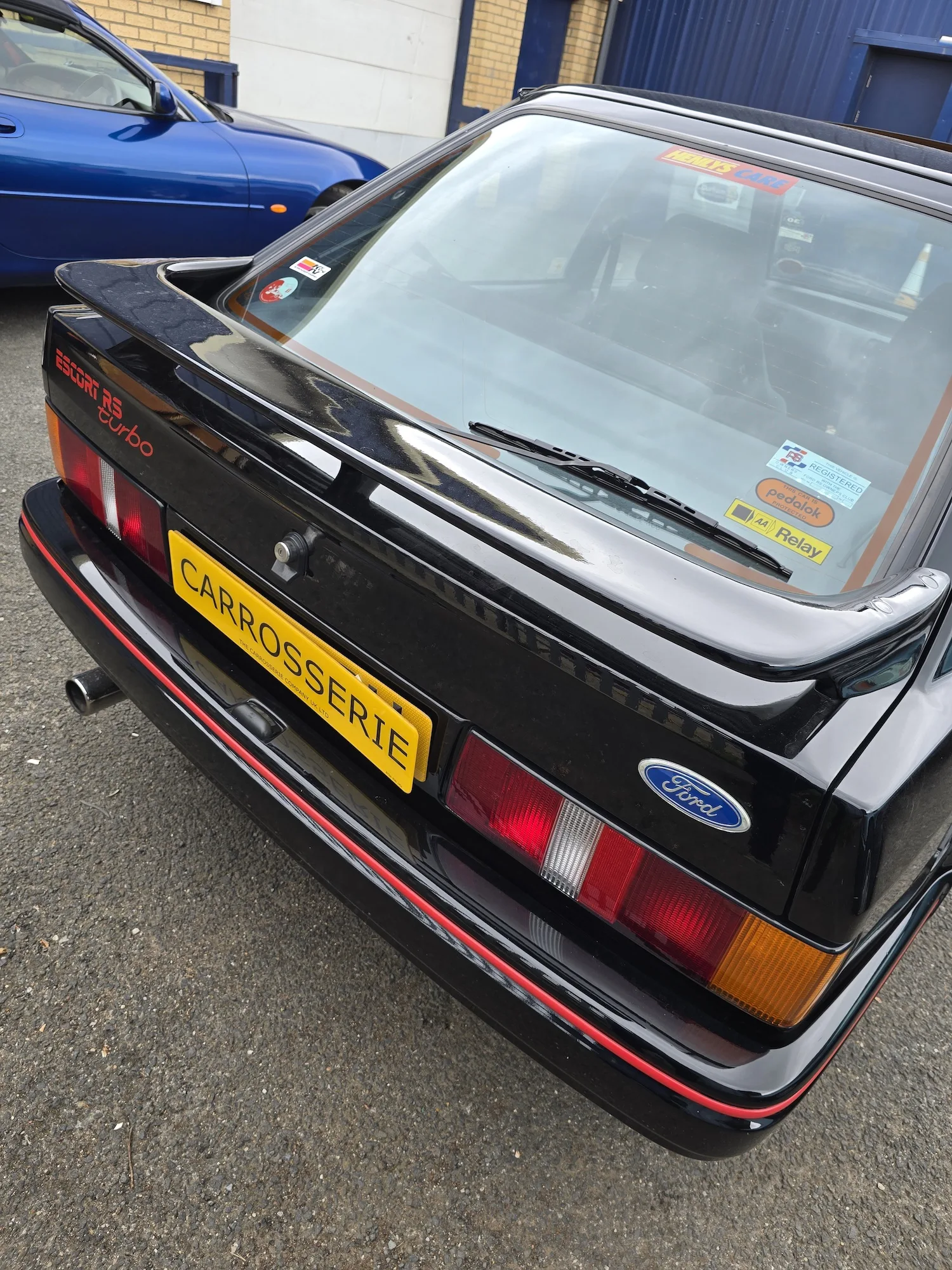
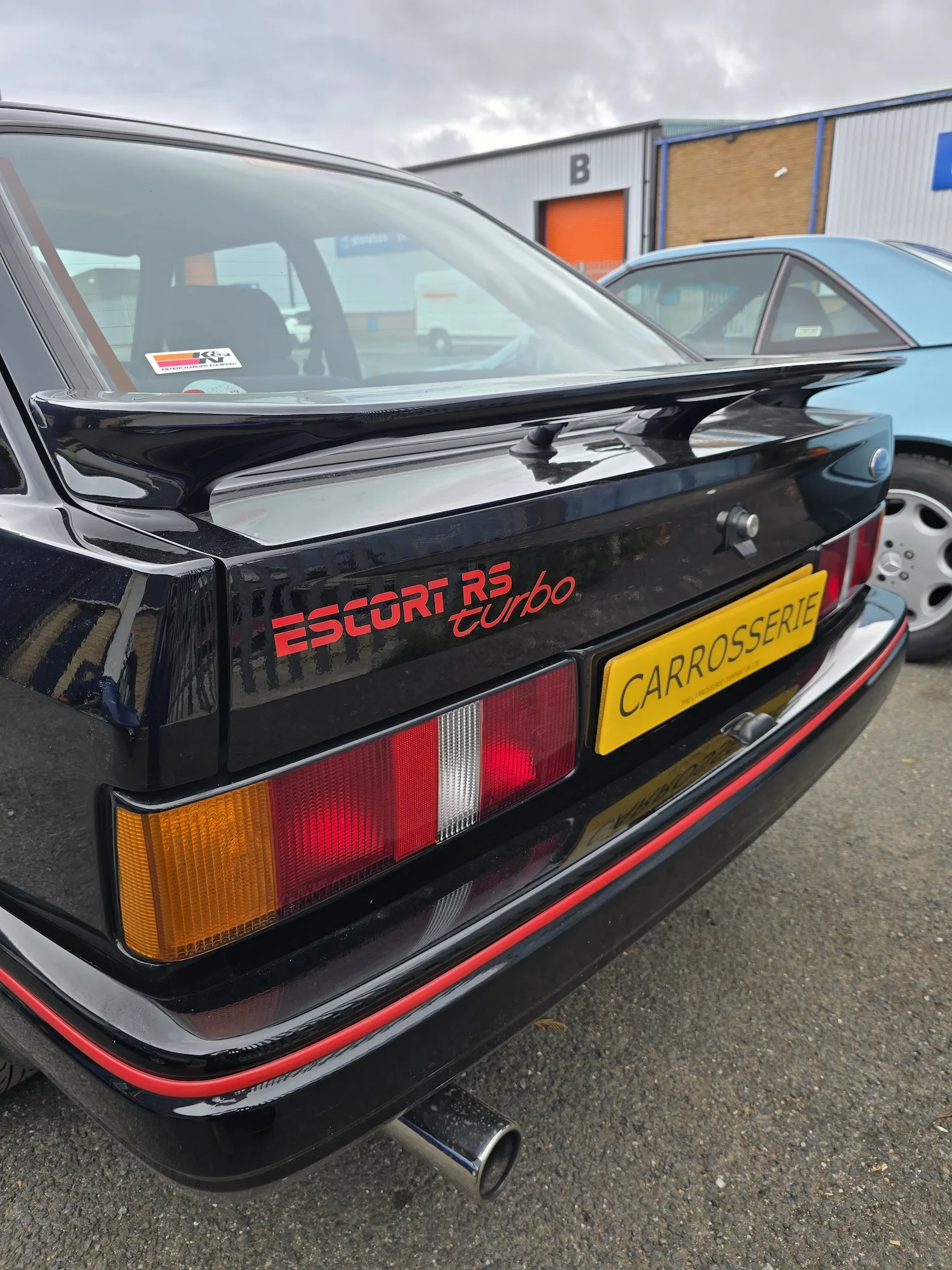
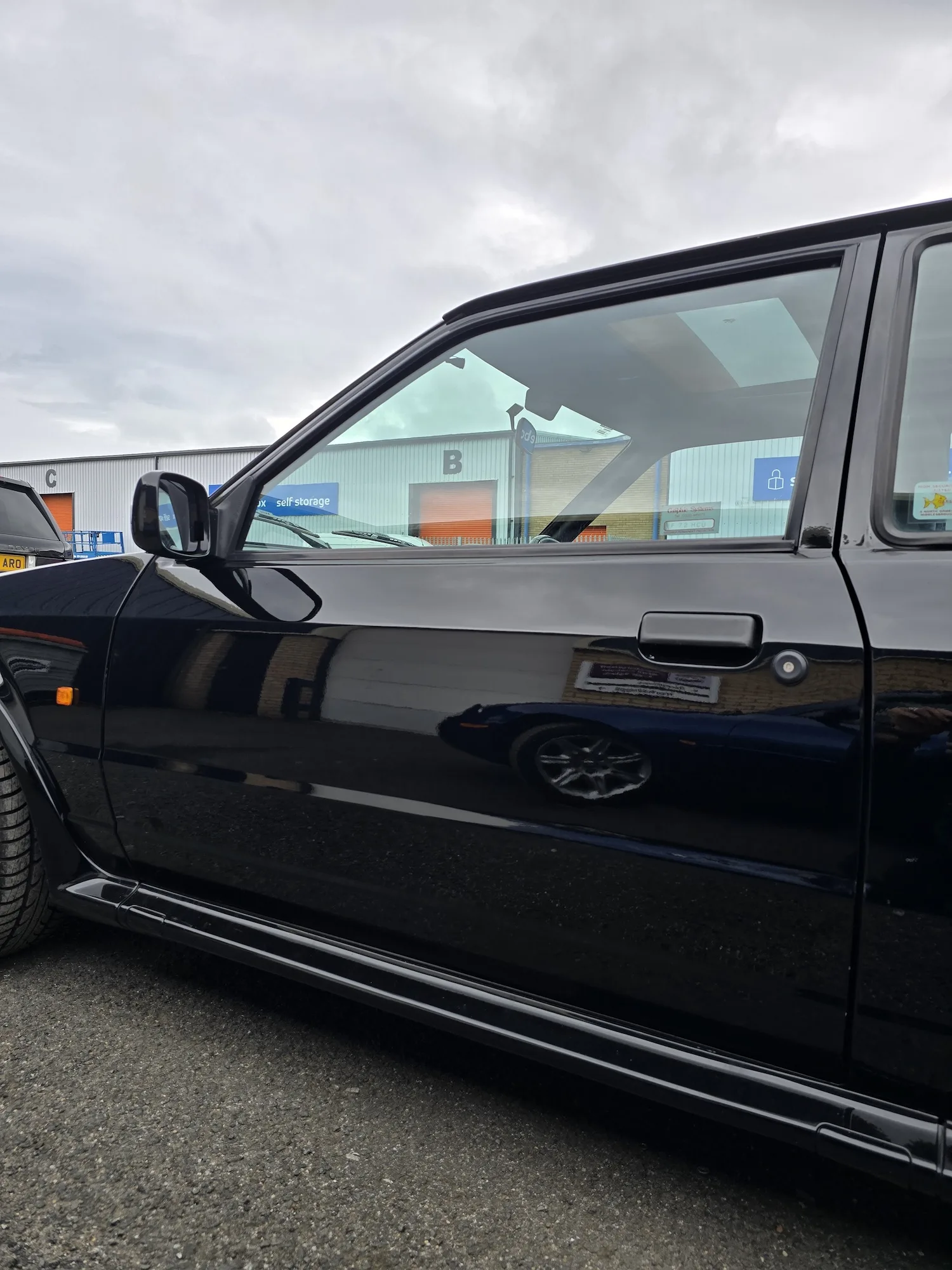
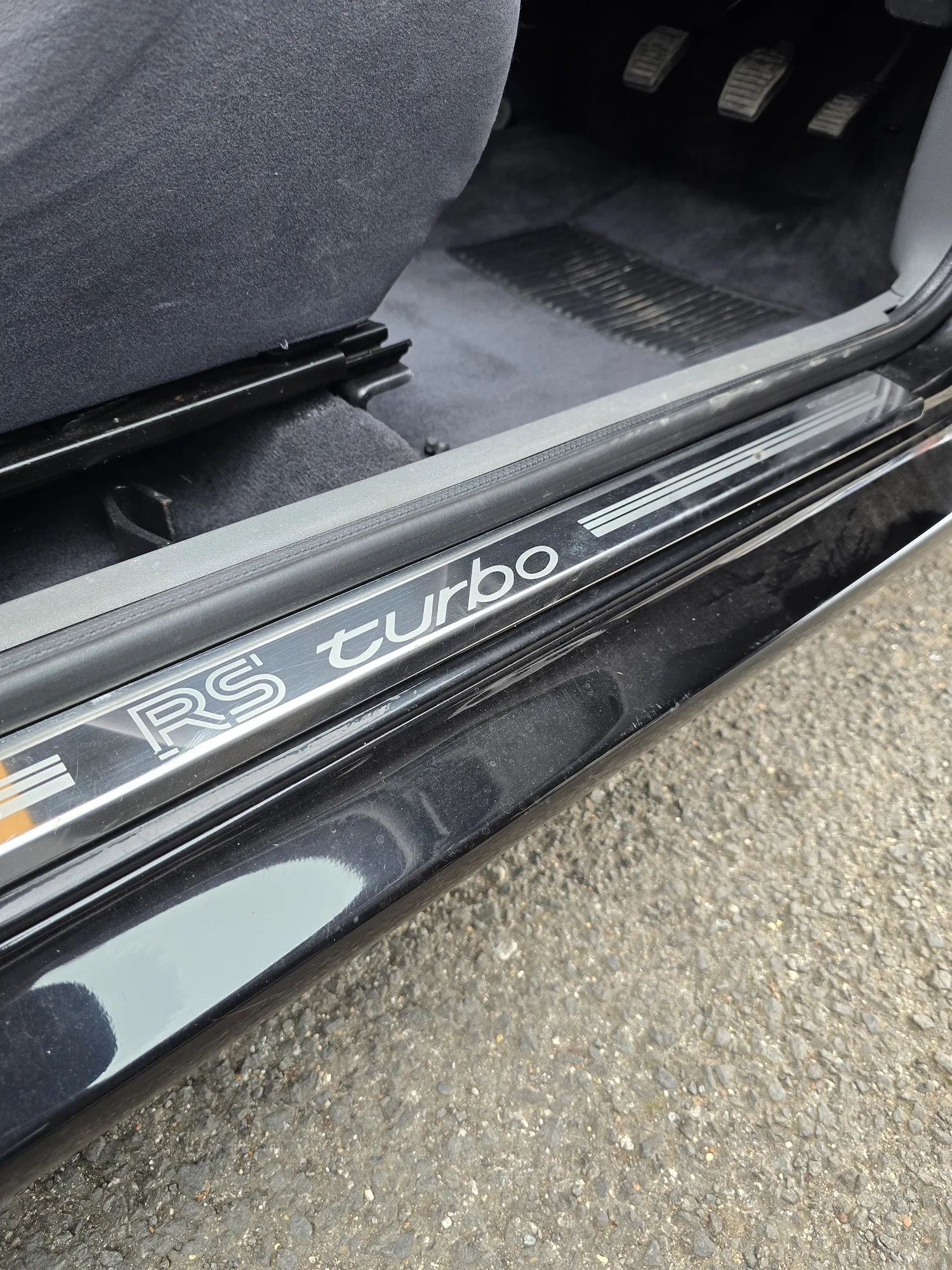
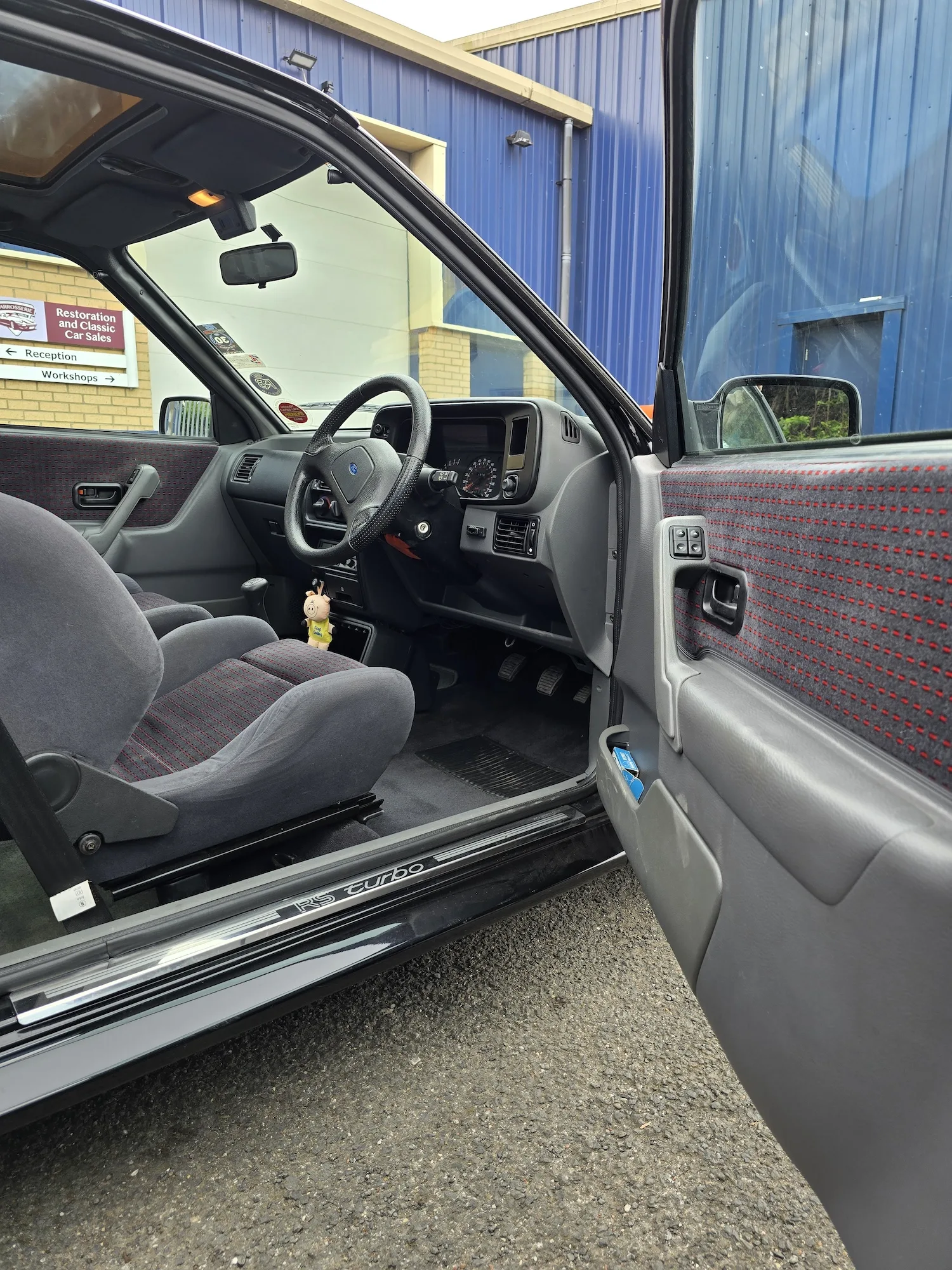
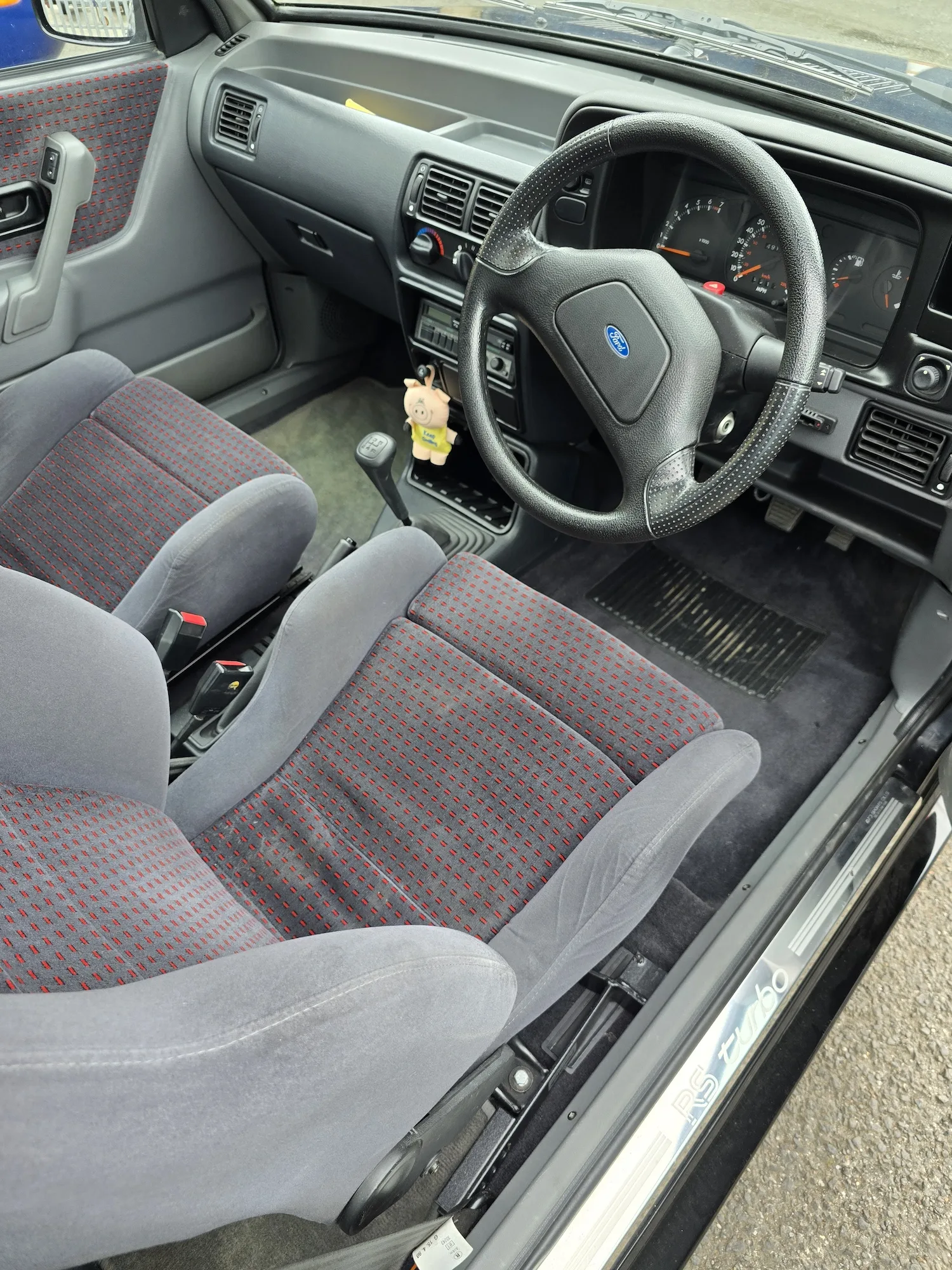
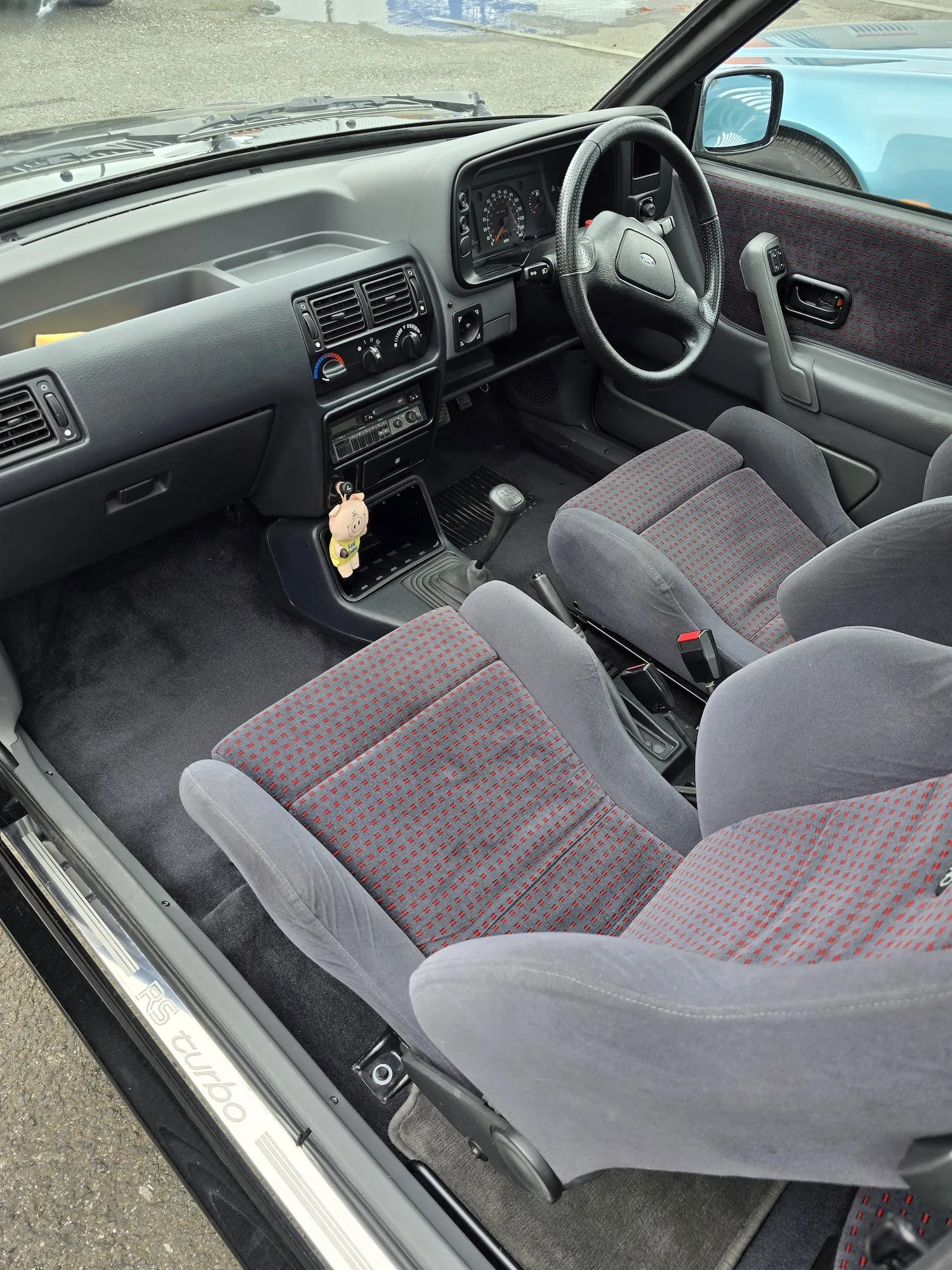
This 1988 Ford Escort RS Turbo came into our Bishop Auckland workshop in May 2026 for the engine to be serviced, along with a new fuel tank and fuel pump which will also be installed.
22nd May 2026: Once the engine works and service have been carried out, the paintwork will be machine polished, and finally a full MOT will be carried out.
The Ford Escort RS Turbo was one of the defining hot hatches of the 1980s and became an icon of British performance car culture. Produced during a period when turbocharging was transforming small performance cars, the Escort RS Turbo combined aggressive styling, strong straight-line pace and accessible pricing, making it hugely popular with enthusiasts across the United Kingdom and Europe.
The story began with Ford’s “Erika” generation Escort, launched in 1980. Ford Motorsport and the company’s Special Vehicle Engineering division wanted a halo performance model to sit above the XR3 and XR3i. At the same time, turbocharging was becoming fashionable thanks to successes in Formula One and rallying. Ford decided to create a turbocharged Escort capable of competing with rivals such as the Volkswagen Golf GTI, Renault 5 Turbo and Peugeot 205 GTI.
The first Escort RS Turbo, known retrospectively as the Series 1, arrived in 1984. It was based on the three-door Escort body shell and powered by a turbocharged 1.6-litre CVH engine producing around 132 bhp. Power was sent to the front wheels through a five-speed manual gearbox.
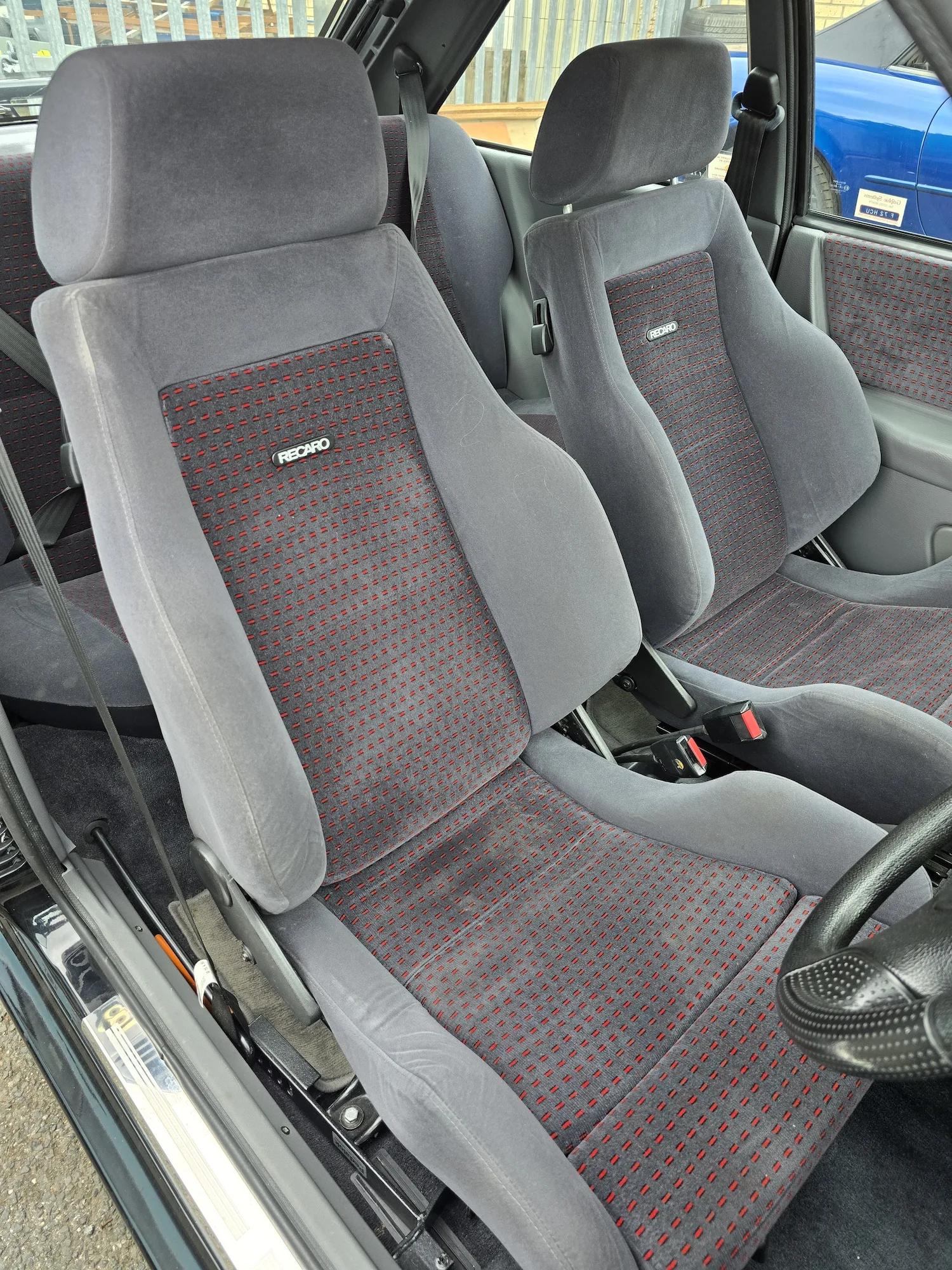
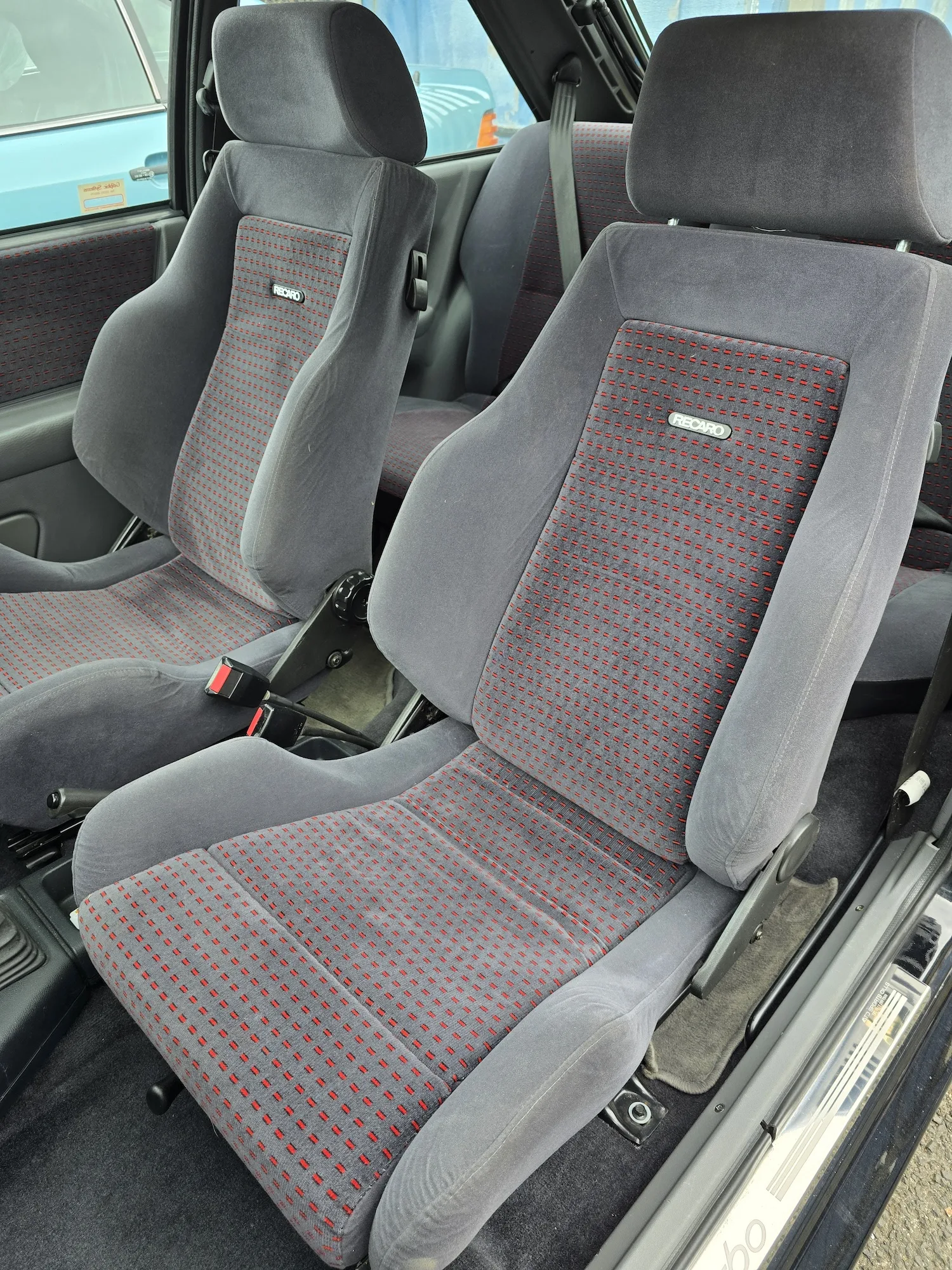
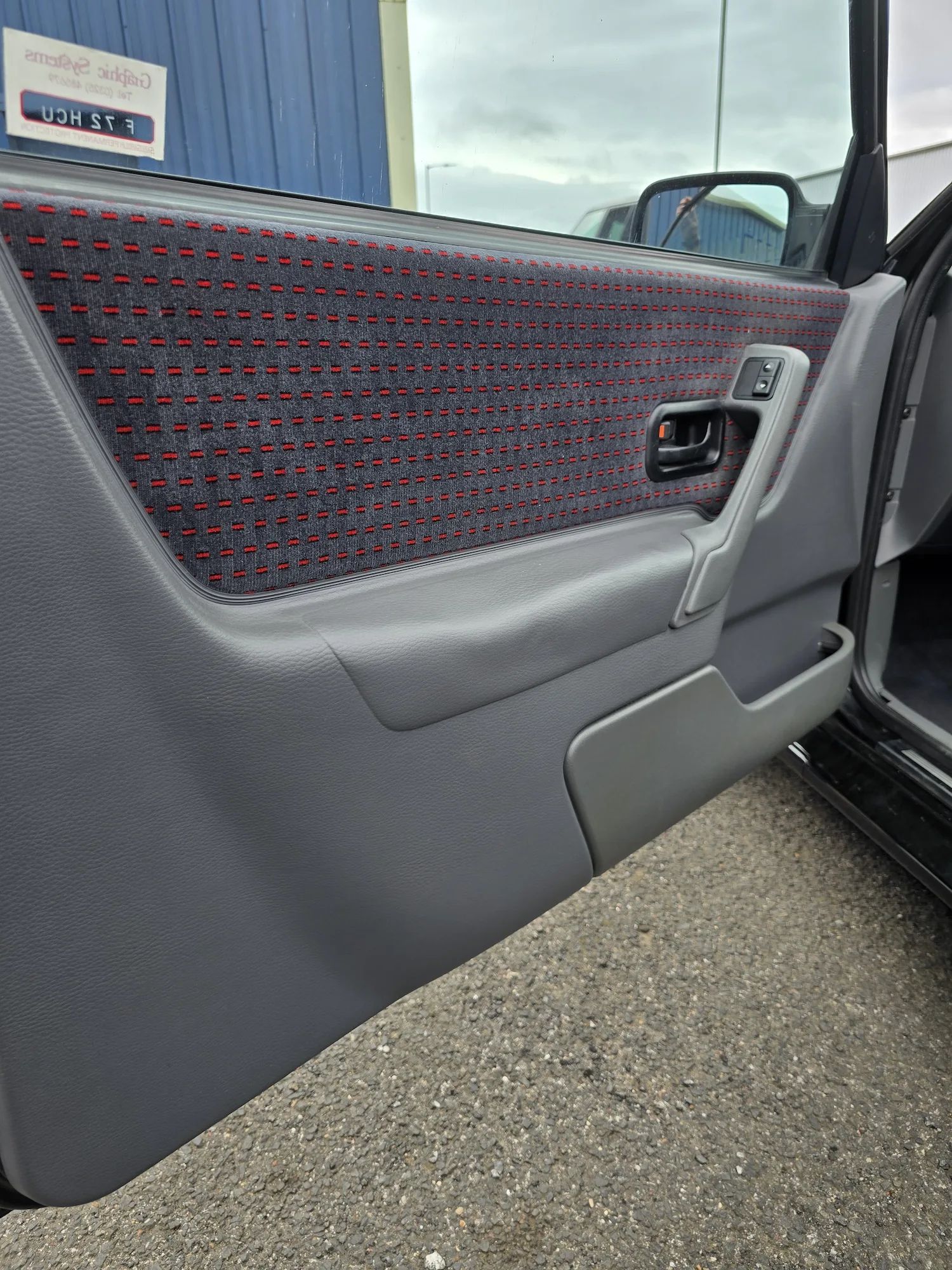
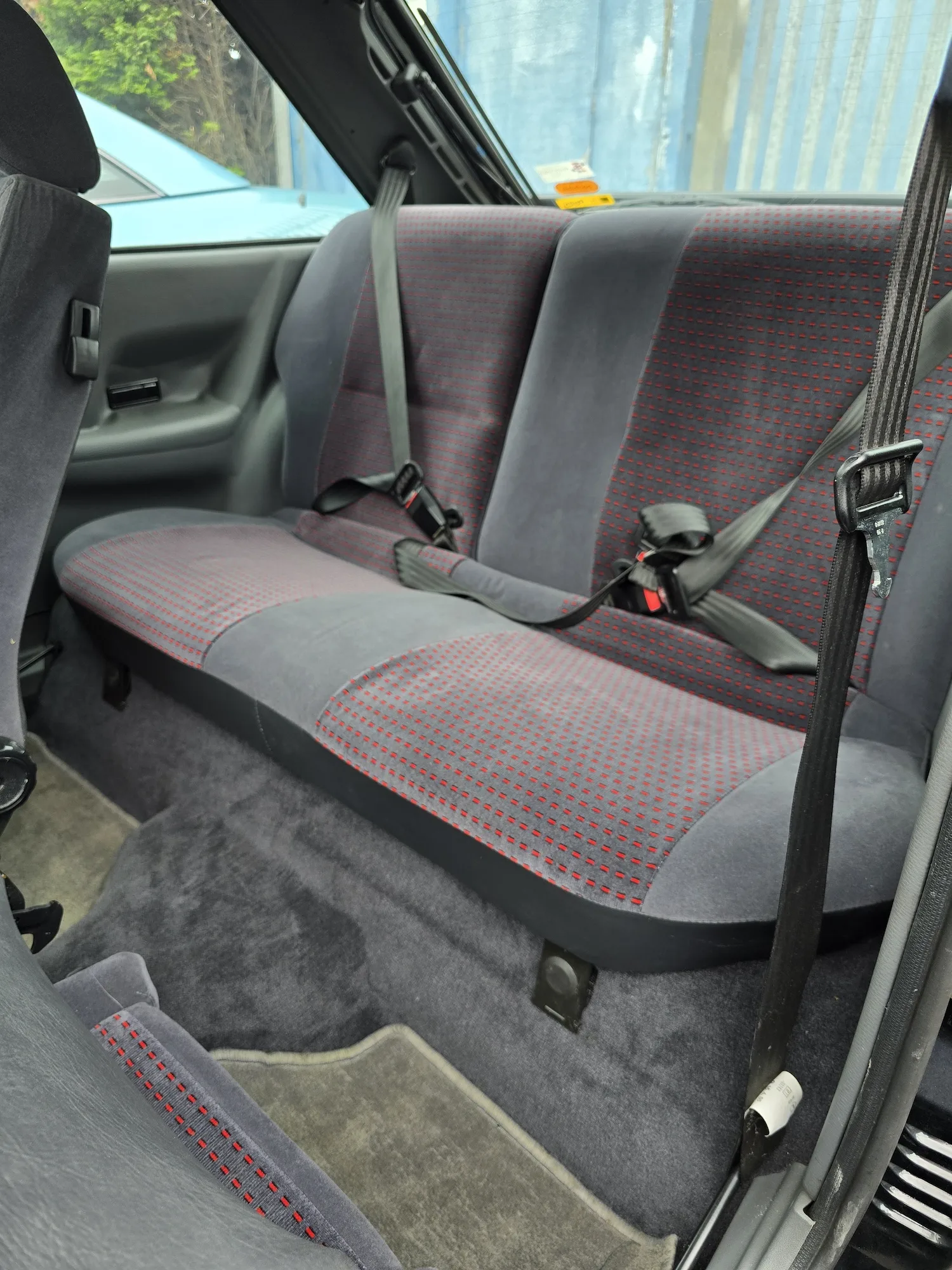
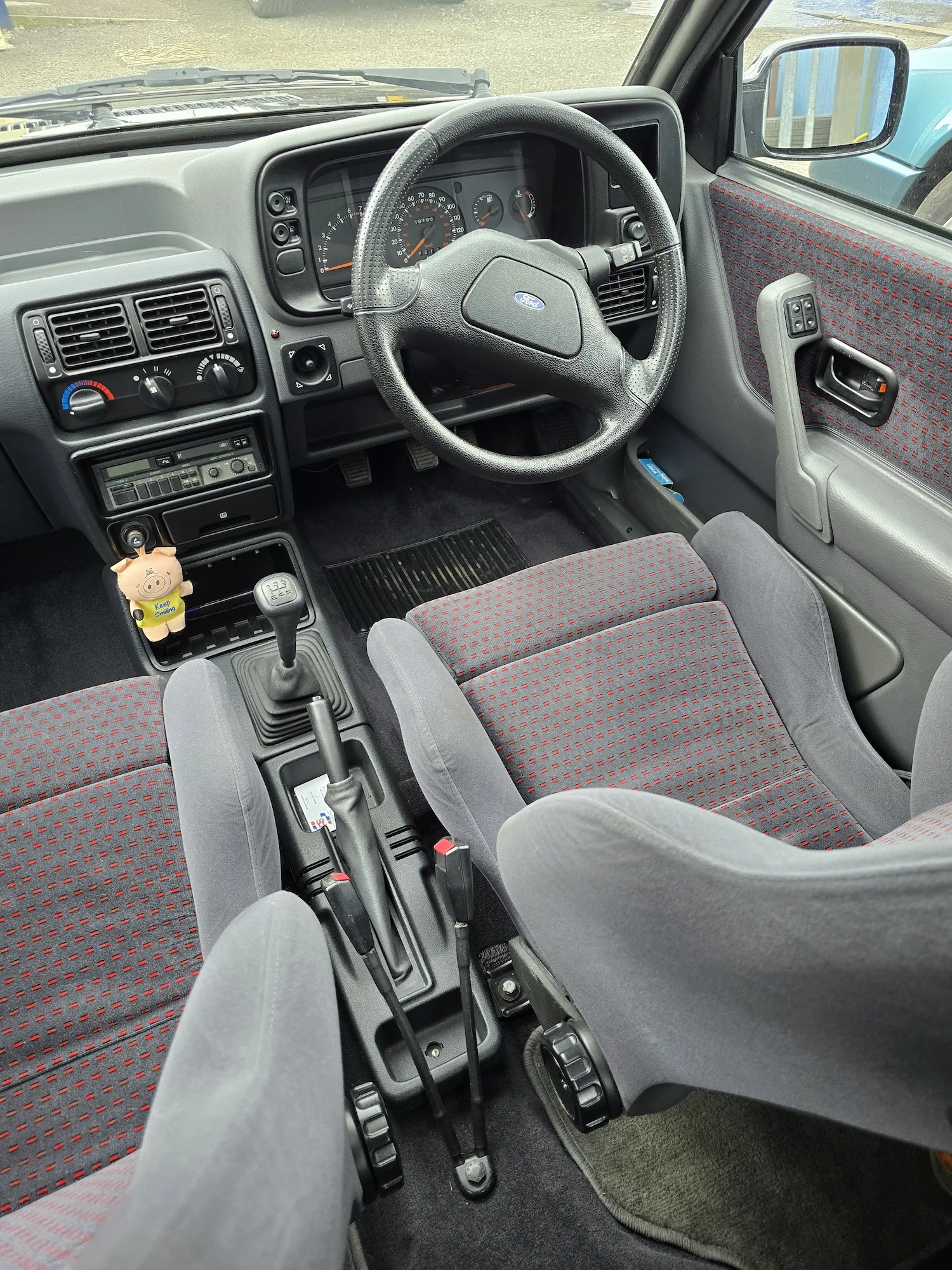
The Series 1 was visually distinctive. It featured integrated body spoilers, deep alloy wheels, side skirts and the famous offset bonnet vents designed to help cool the turbocharged engine. Inside, buyers found heavily bolstered Recaro seats and a sporting dashboard layout. Every UK-market Series 1 RS Turbo was painted Diamond White.
Performance was strong for the period. The car could reach 60 mph in under eight seconds and exceed 120 mph, figures that placed it firmly among the quickest hot hatches of the mid-1980s. However, like many powerful front-wheel-drive turbo cars of the era, it developed a reputation for torque steer and lively handling in poor weather.
The RS Turbo quickly became closely associated with Britain’s “boy racer” culture of the 1980s. Its combination of affordability, tuning potential and conspicuous styling made it highly desirable among younger drivers. Unfortunately, it also became one of the most stolen cars in Britain, leading insurers to charge very high premiums.
In motorsport, the Escort RS Turbo appeared in rallying, touring car racing and club competition. Although it never achieved the legendary rally success of Ford’s rear-wheel-drive Escorts, it proved effective in lower-level motorsport and helped maintain Ford’s strong sporting image.
A particularly famous example was built for Diana, Princess of Wales, in 1985. Her black Series 1 RS Turbo was unusual because standard production cars were only supplied in white. The car attracted enormous media attention and became one of the best-known RS models in Britain. Decades later it sold at auction for a very high price due to its royal connection.
In 1986 Ford launched the revised Escort range, often referred to as the Mk4 Escort. Alongside it came the second-generation RS Turbo, or Series 2. This version used the updated body shell and a revised chassis setup intended to improve drivability. Power remained broadly similar at around 132 bhp, though later non-catalyst versions in some markets produced slightly more.
Unlike the more raw and focused Series 1, the Series 2 was designed to be easier to live with day to day. It gained a limited-slip differential, improved suspension geometry and better refinement. The styling was also toned down slightly, though it remained unmistakably aggressive for its era.
The late 1980s represented the peak of the RS Turbo’s popularity. It became deeply embedded in British motoring culture, appearing regularly in magazines, television programmes and modified car scenes. Its tuning potential was especially important to its reputation. Many owners increased boost pressure, fitted larger intercoolers and modified exhaust systems to achieve significantly higher performance.
By the early 1990s, however, newer multi-valve naturally aspirated hot hatches began to overtake turbocharged designs in refinement and handling sophistication. Ford replaced the Escort RS Turbo with the Escort RS Cosworth in 1992, a far more extreme four-wheel-drive homologation special developed primarily for rallying.
Today, surviving Escort RS Turbos are highly collectible, especially unmodified examples. Because many were stolen, crashed, rusted or heavily altered during the 1990s and 2000s, original cars have become increasingly rare. The Series 1 is generally the most valuable due to its lower production numbers and raw character, while clean Series 2 cars are also strongly sought after.
The Escort RS Turbo remains a defining symbol of 1980s Britain: loud, fast, charismatic and slightly unruly. Its reputation has grown from affordable performance hatchback to genuine modern classic, representing a period when turbocharged hot hatches captured the imagination of an entire generation of drivers.

Are you ready to start your restoration journey with us?
St Helen Way
St Helen Industrial Estate
Bishop Auckland
DL14 9AZ
Tel: 01833 630 011 / Mob: 07973 616 478

By signing up, you agree to the Carrosserie Privacy Policy