
Start your restoration journey with us today
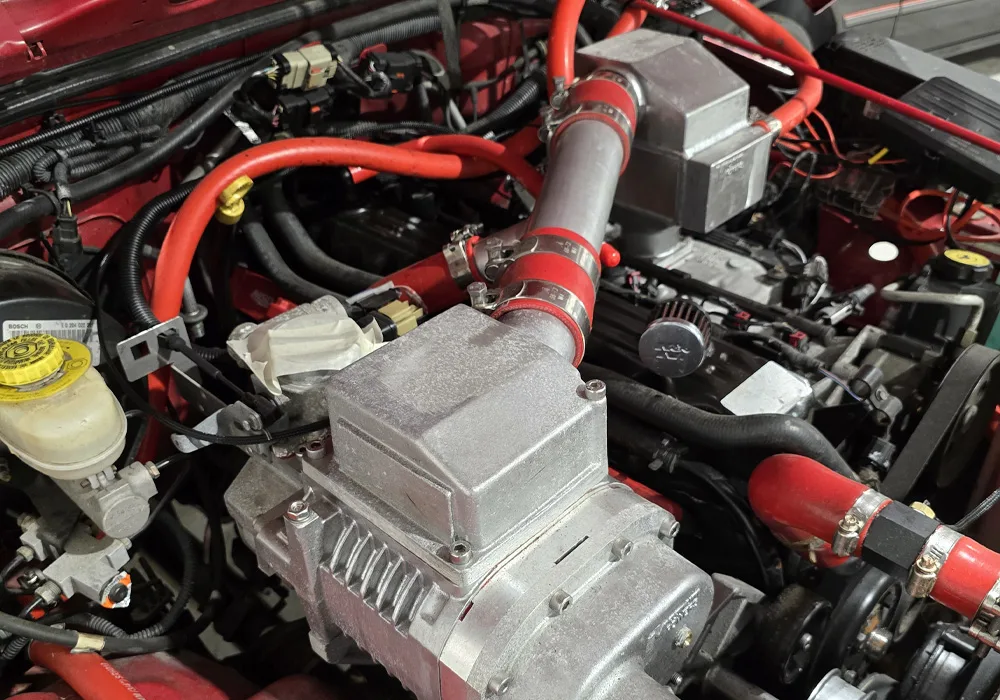
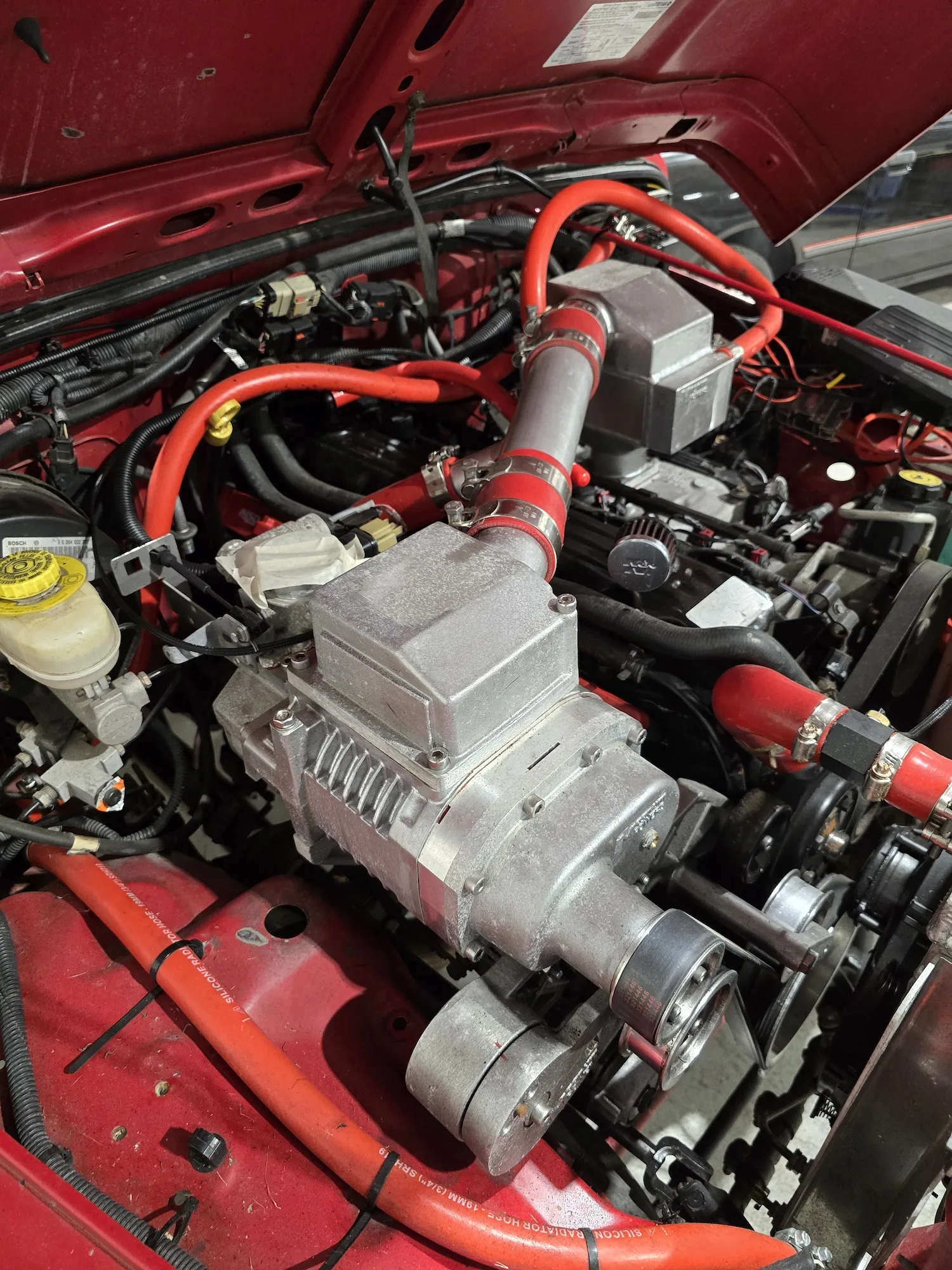
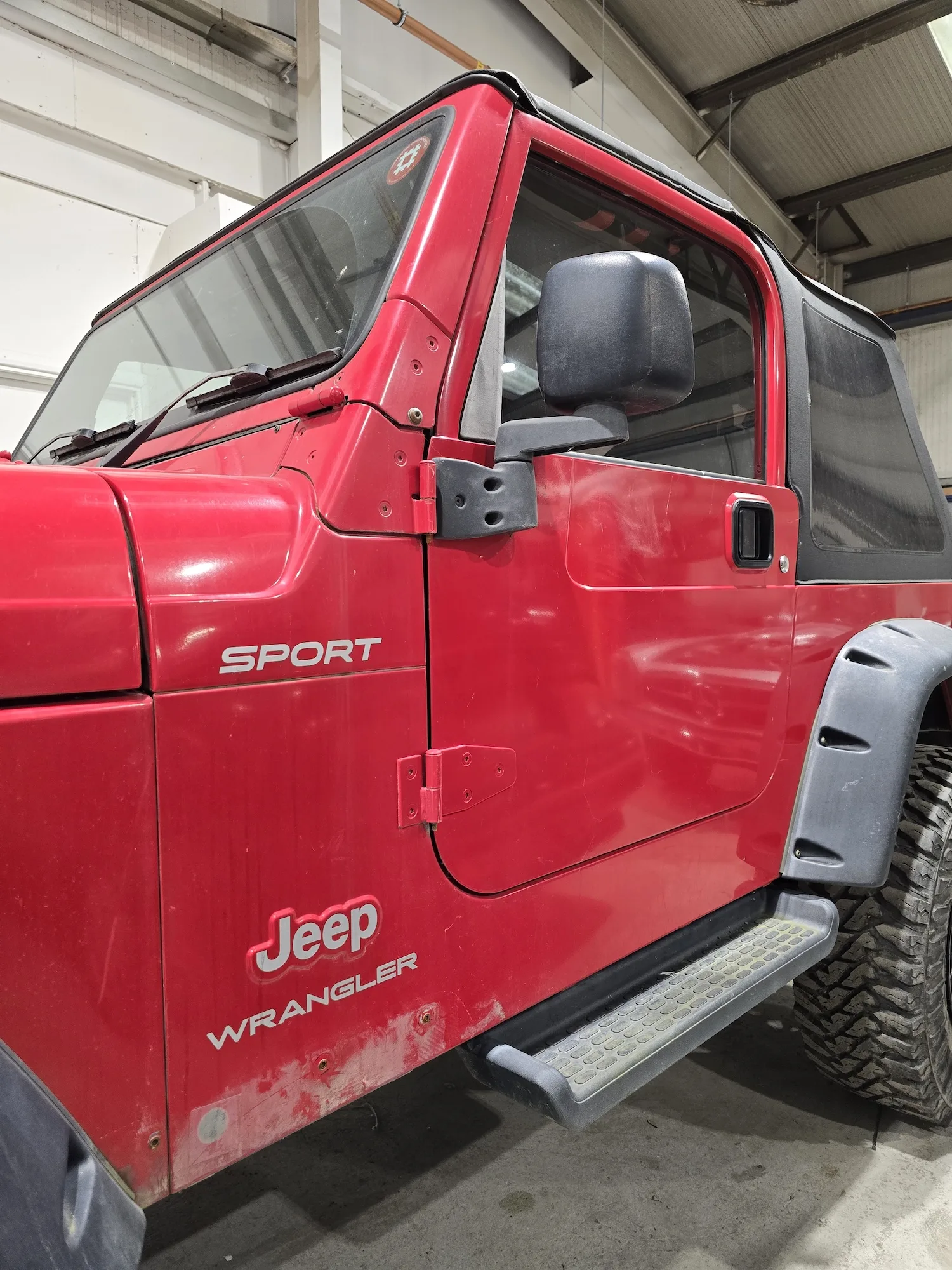
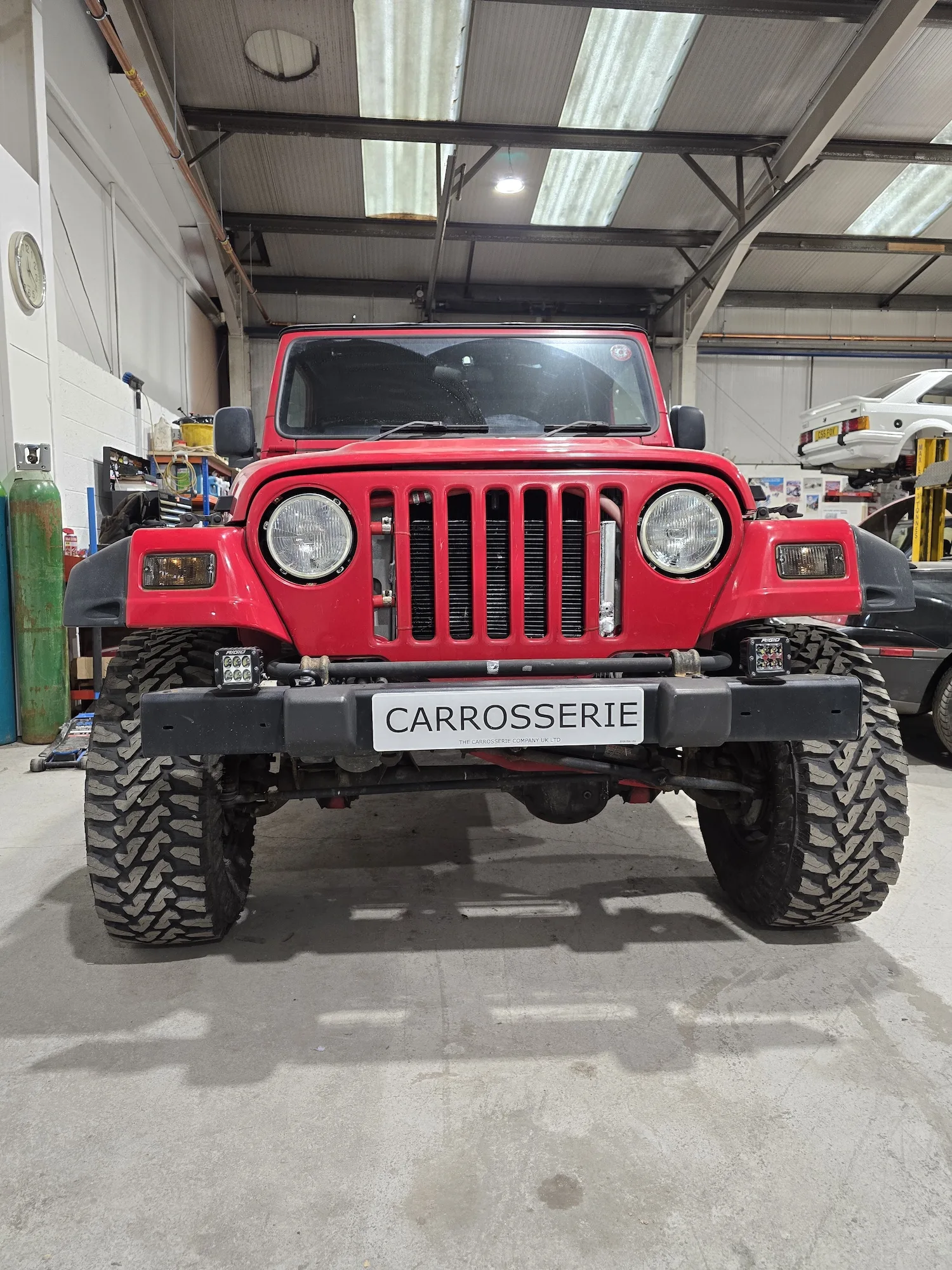
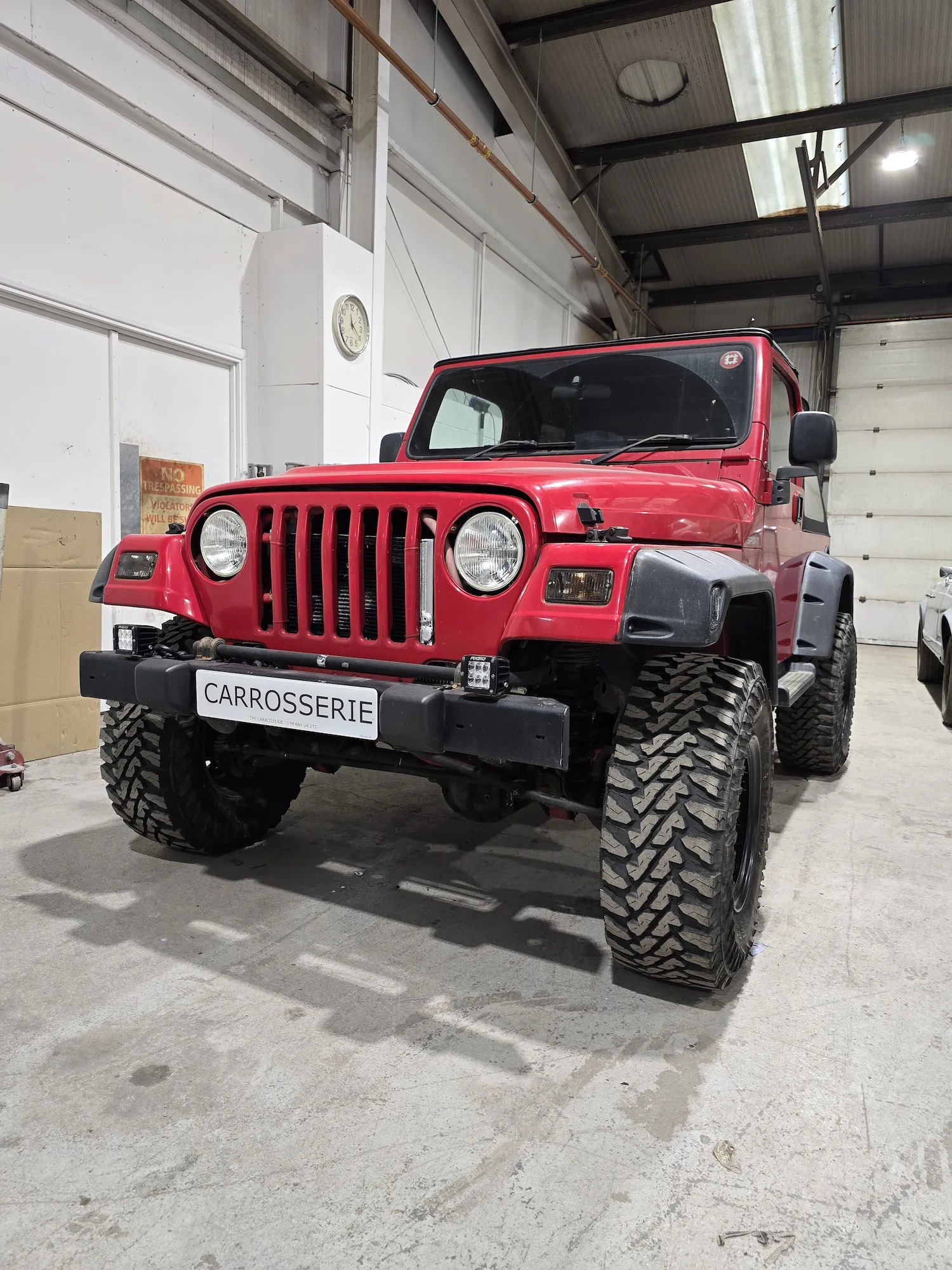
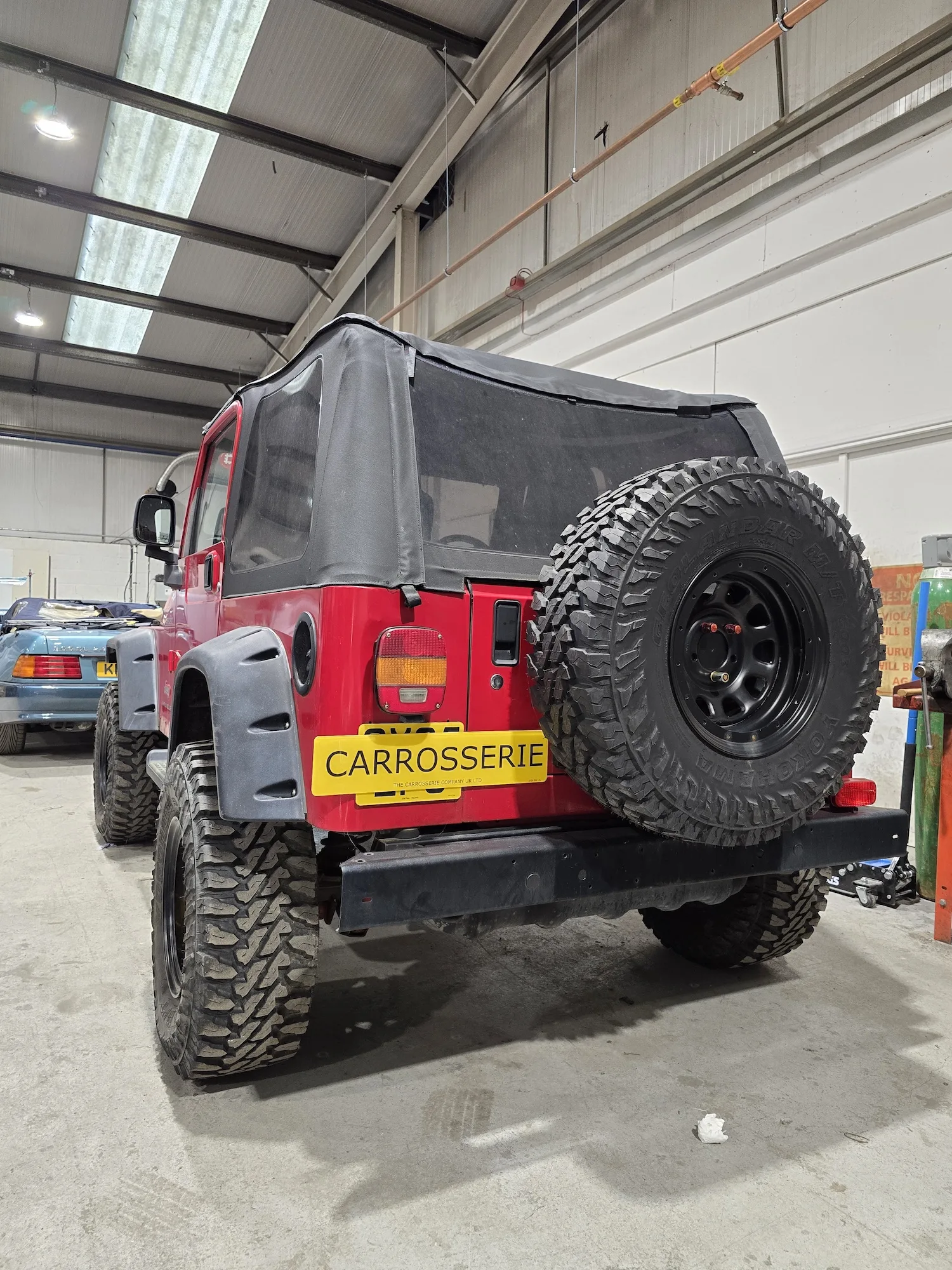
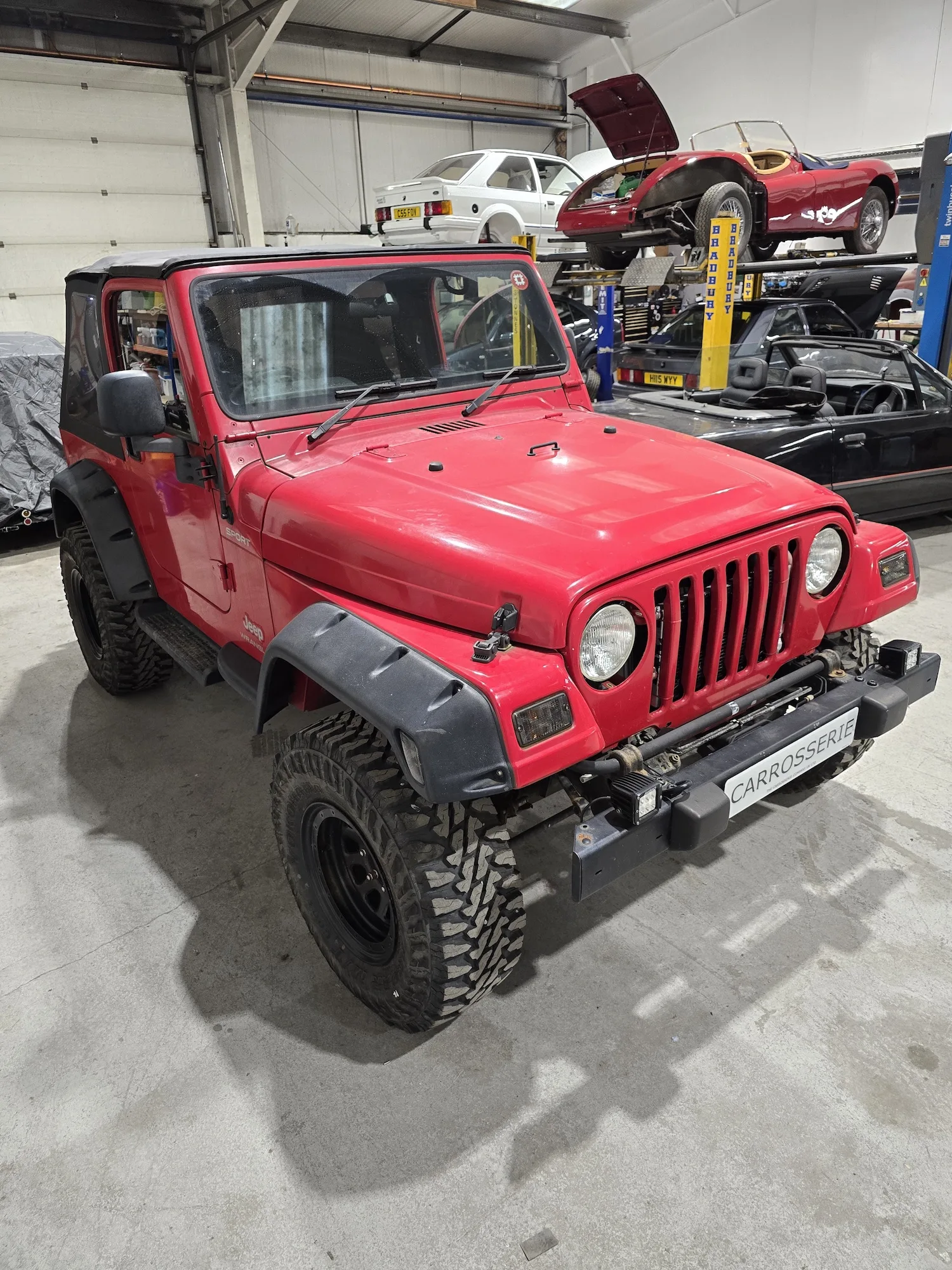
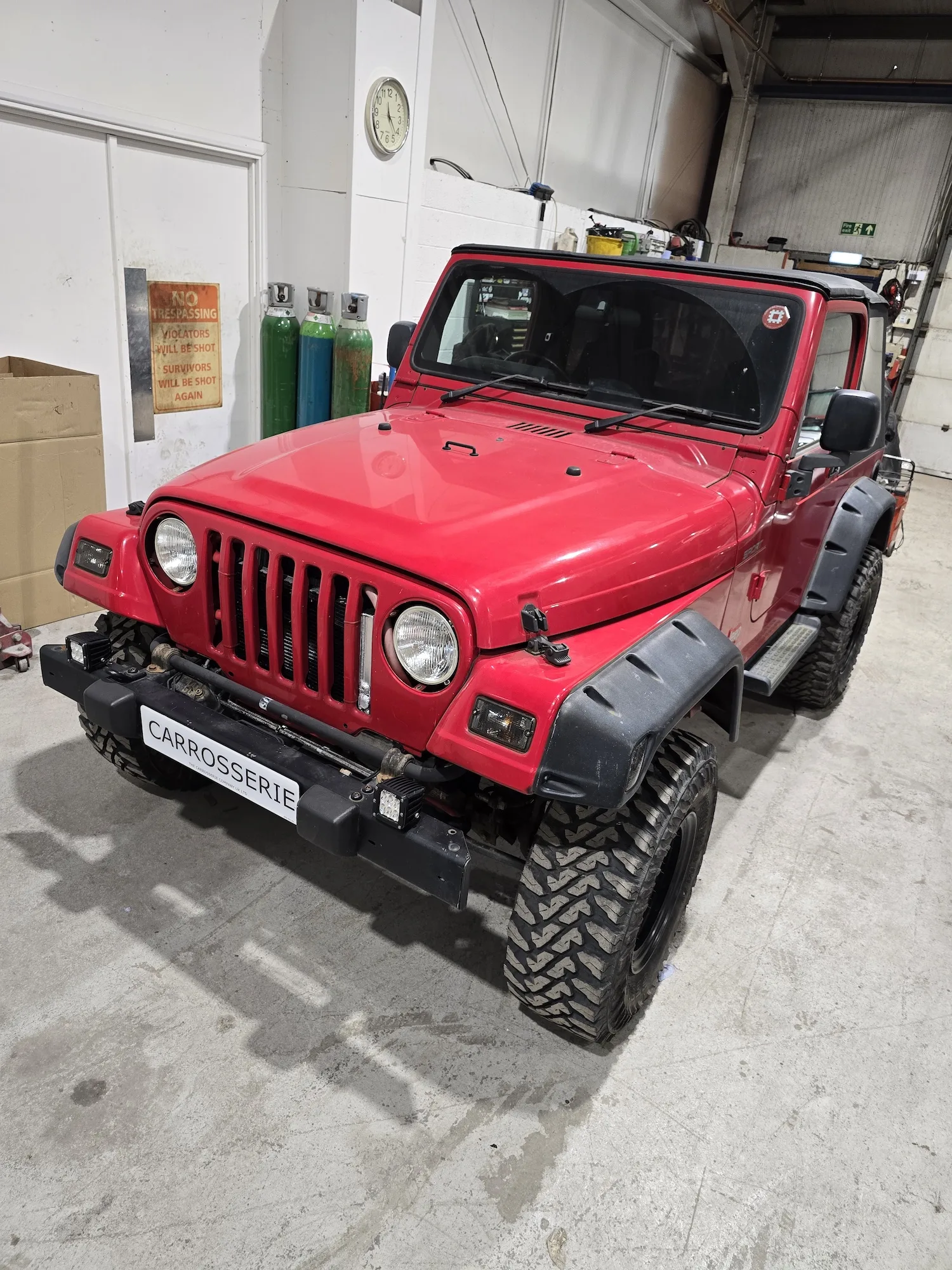
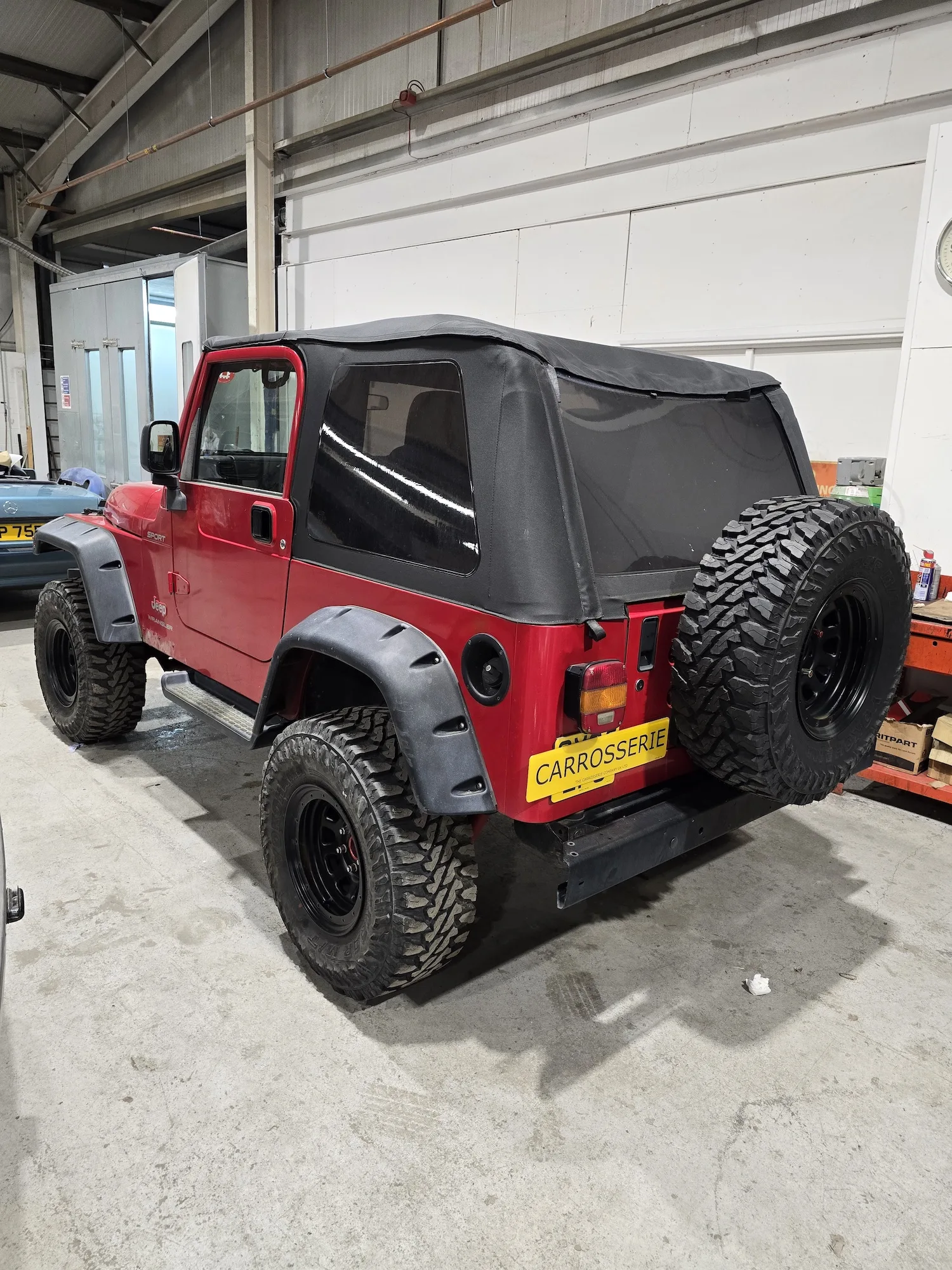
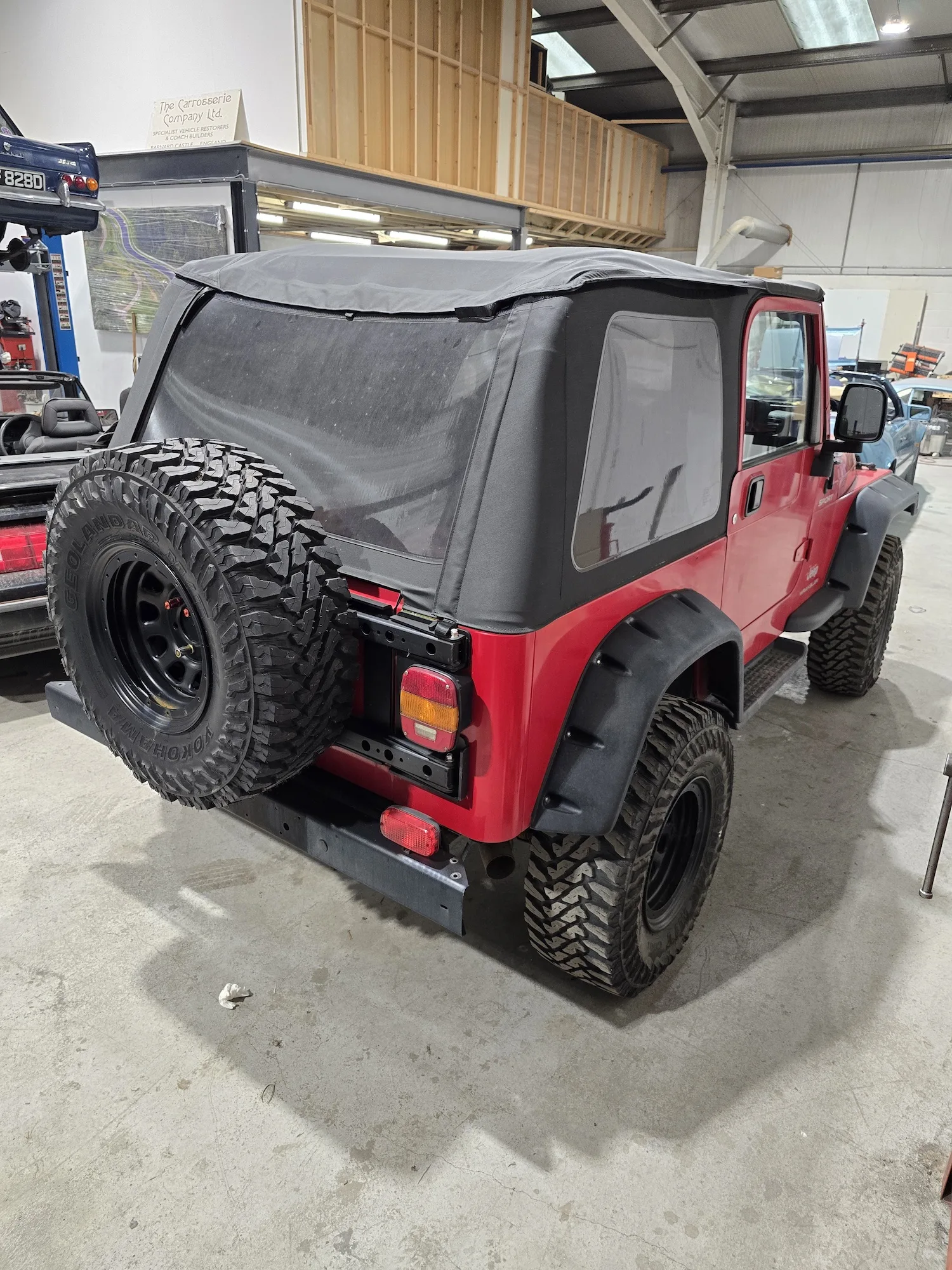
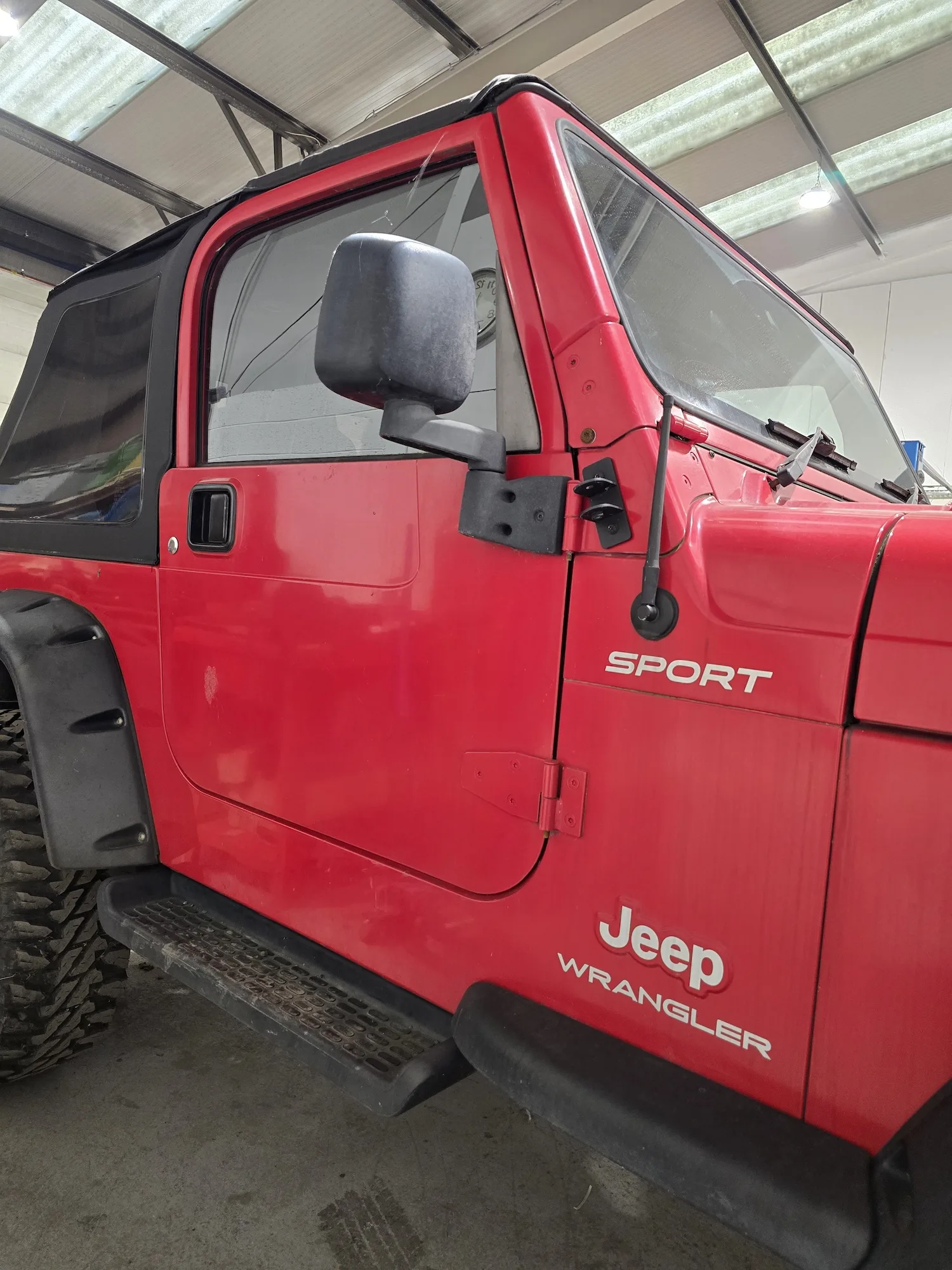
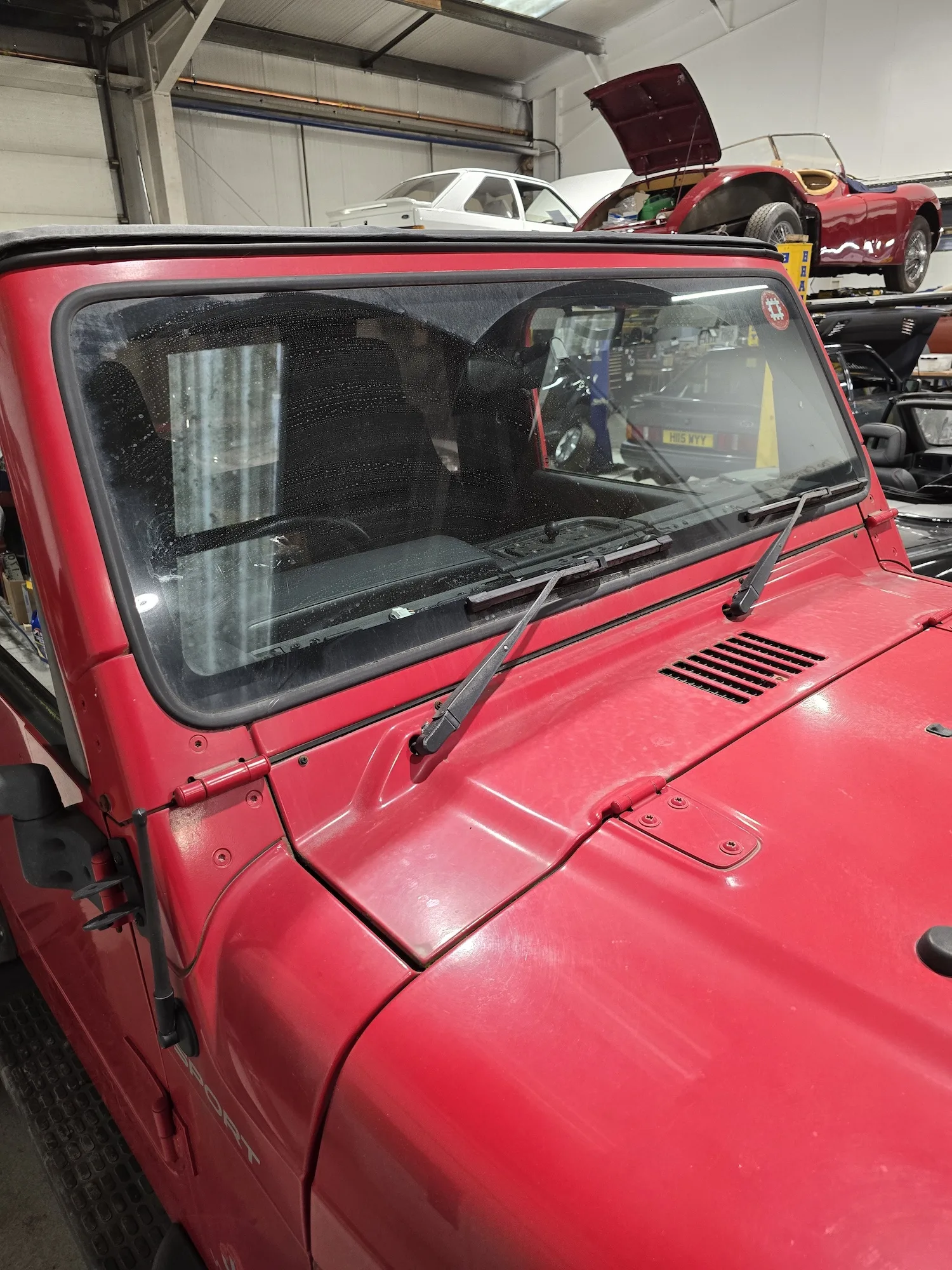
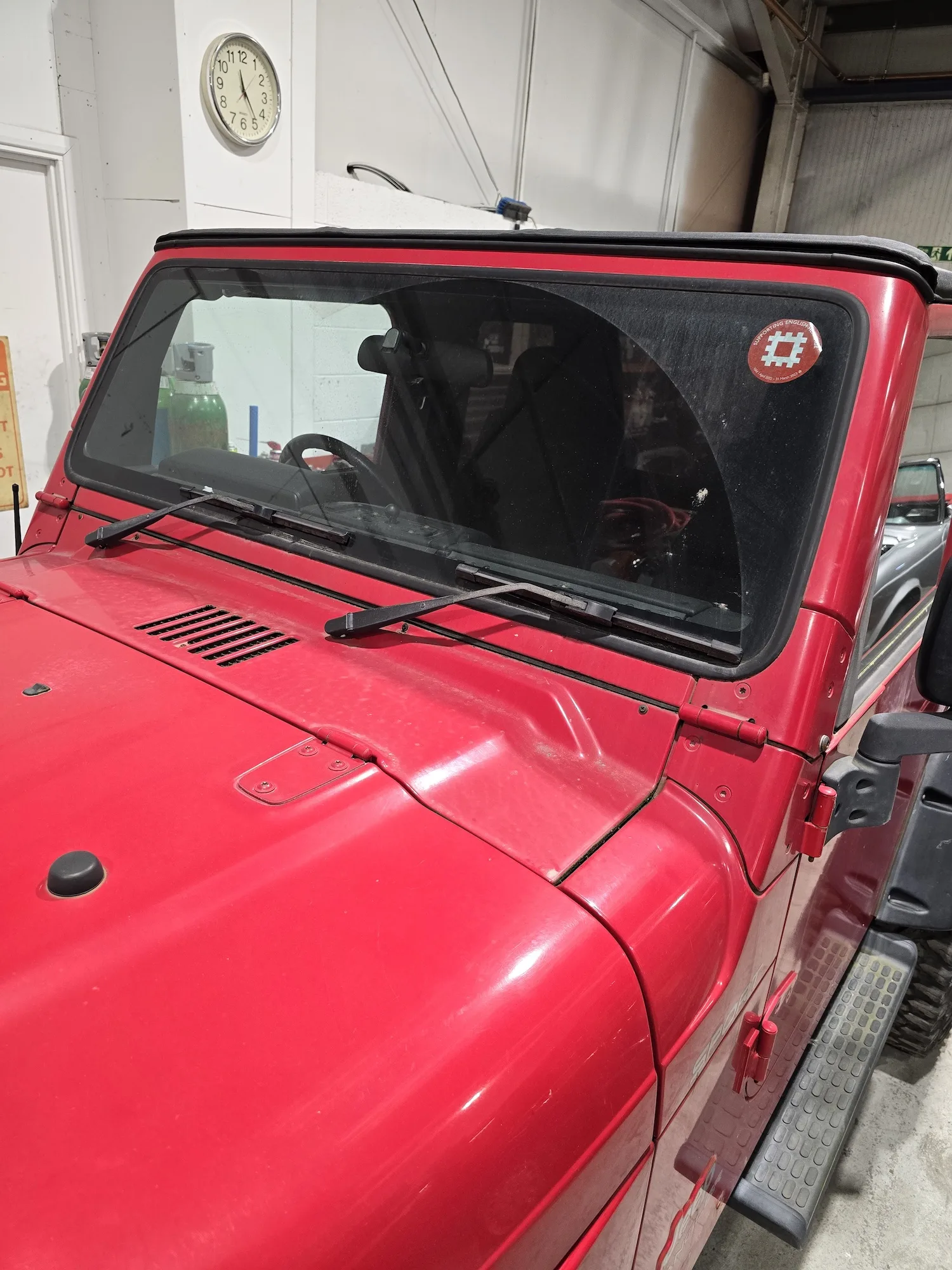
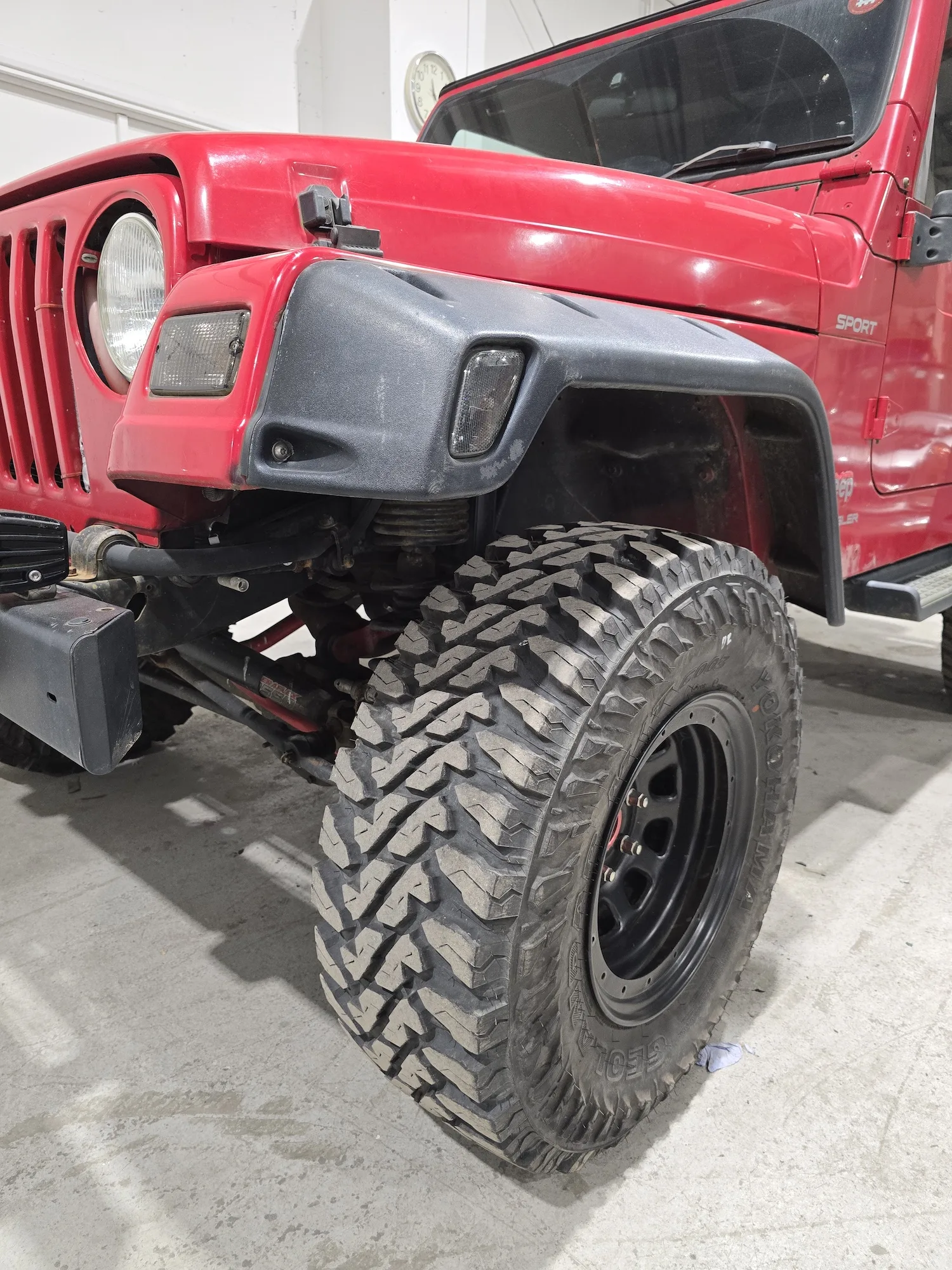
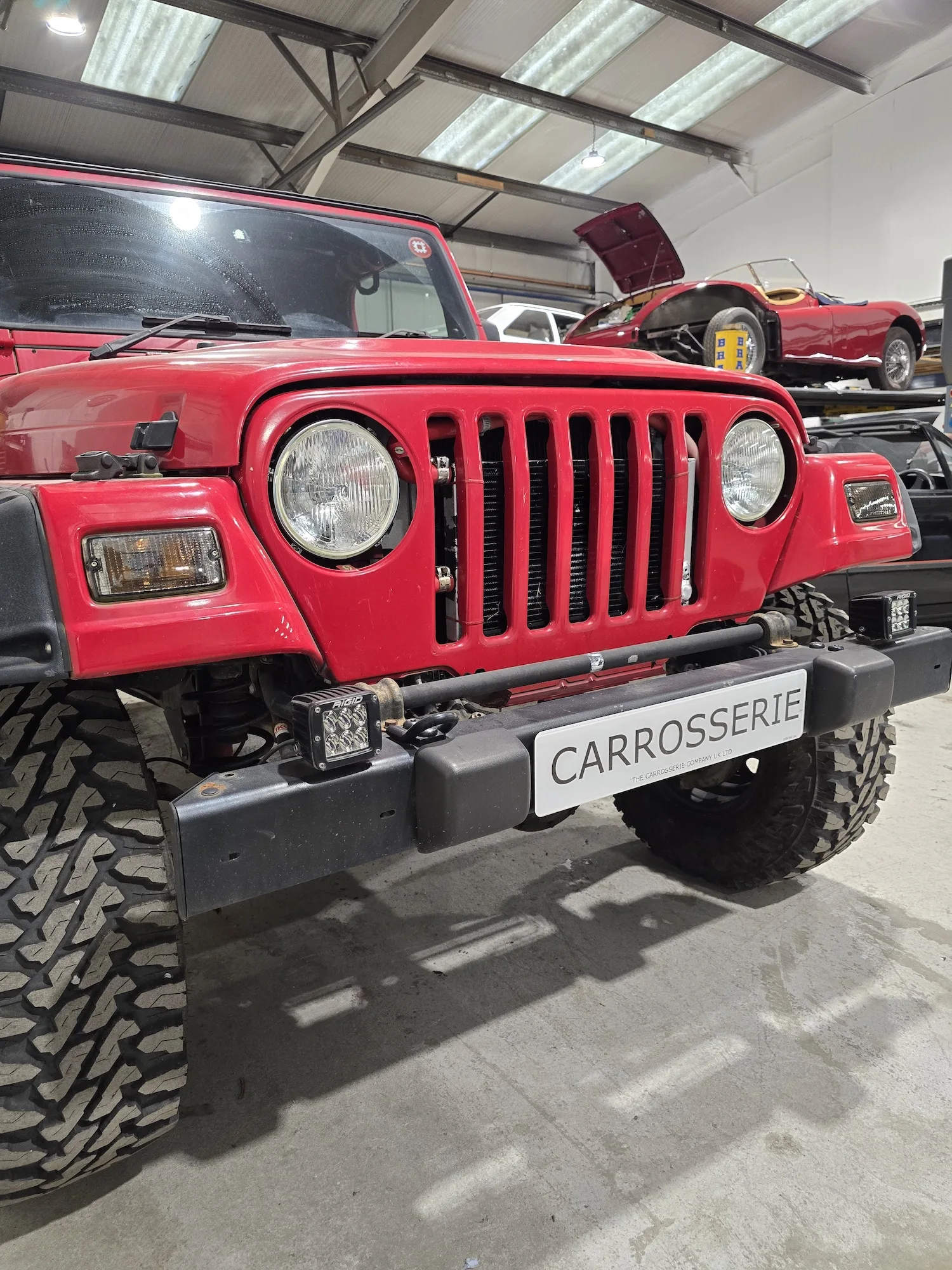
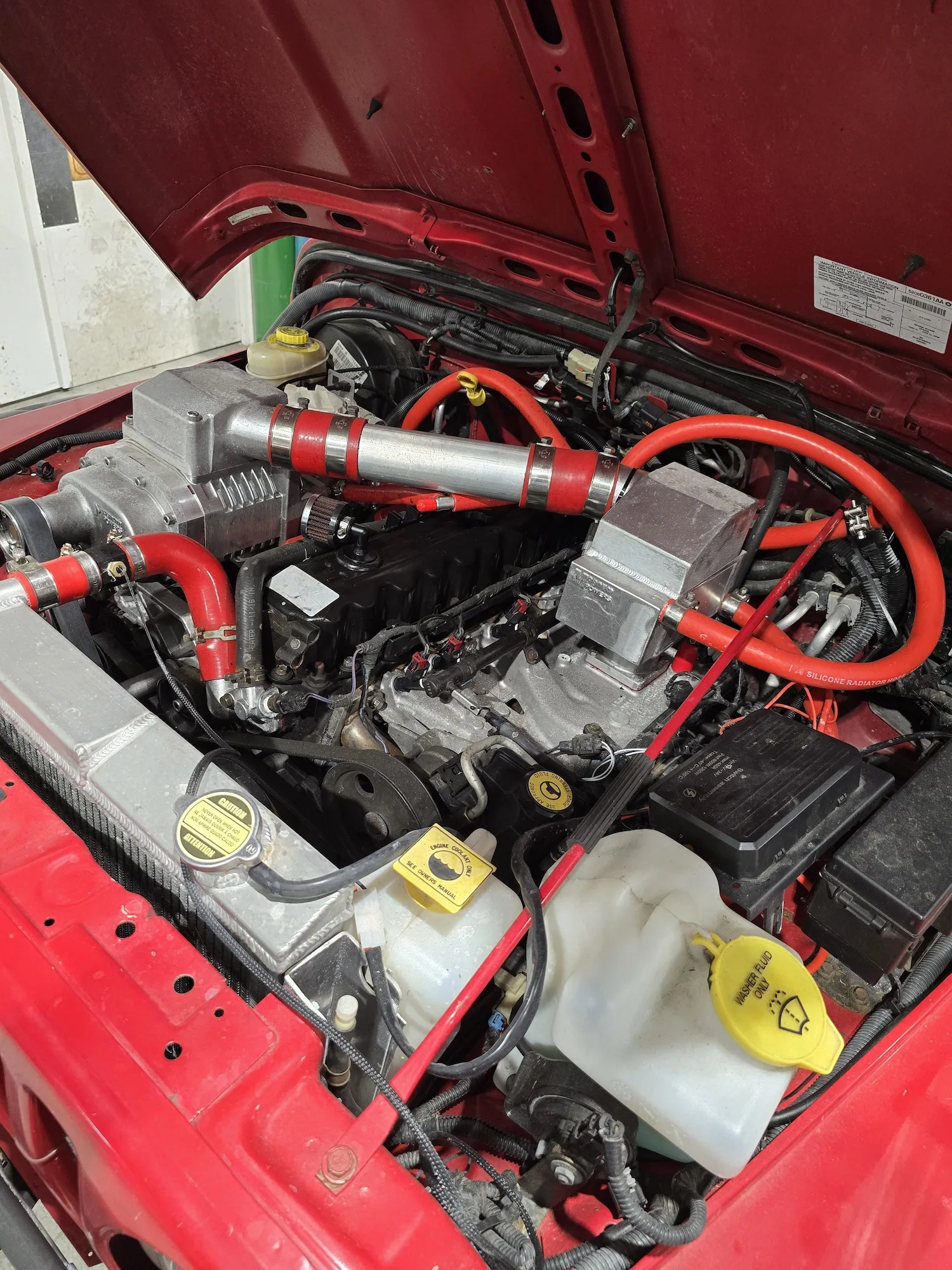
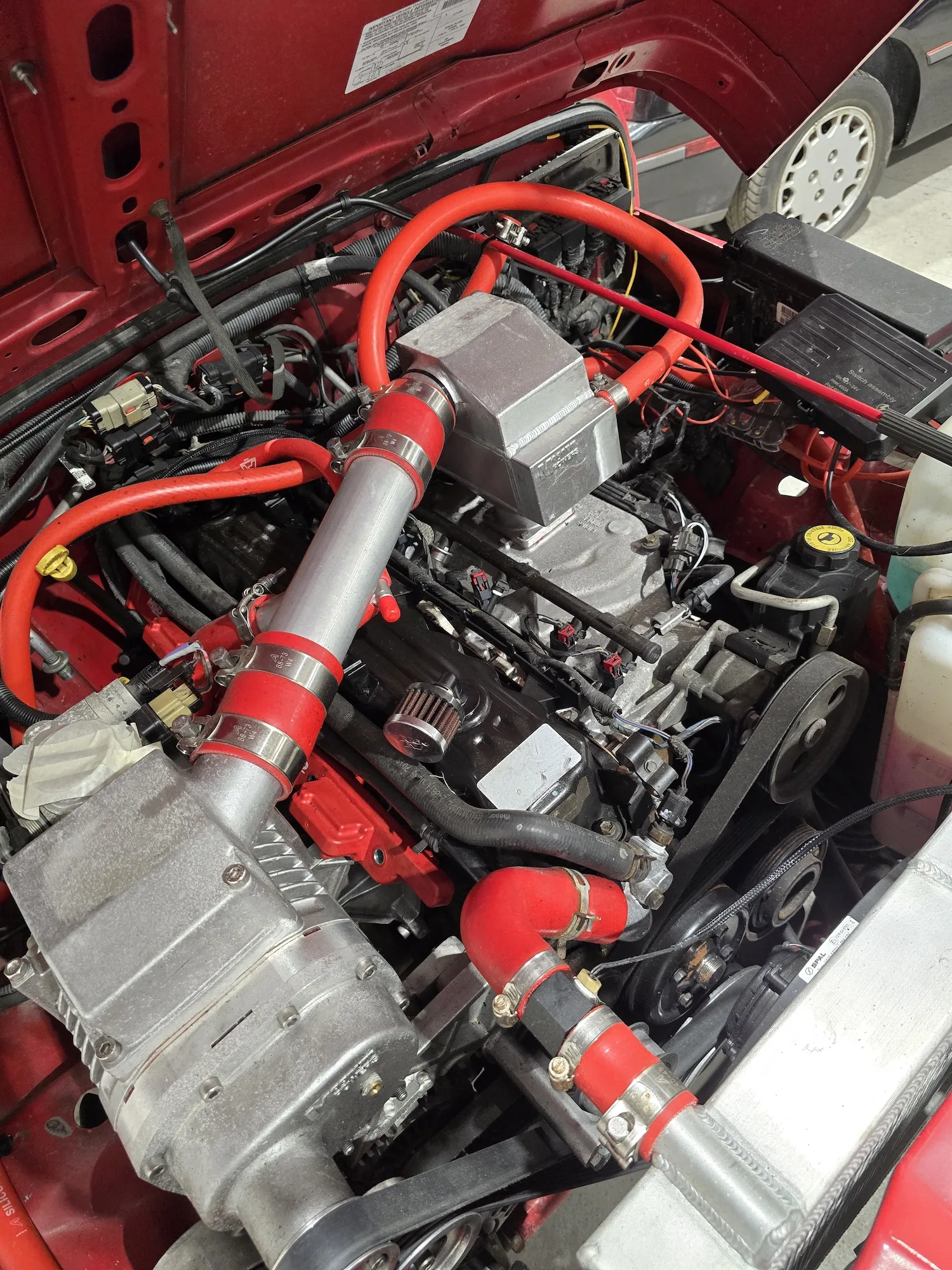
20th February 2026: Customer had started works with installing supercharger and it’s had some issues after testing, so we are currently assessing what works need to be carried out to get it back up and running.
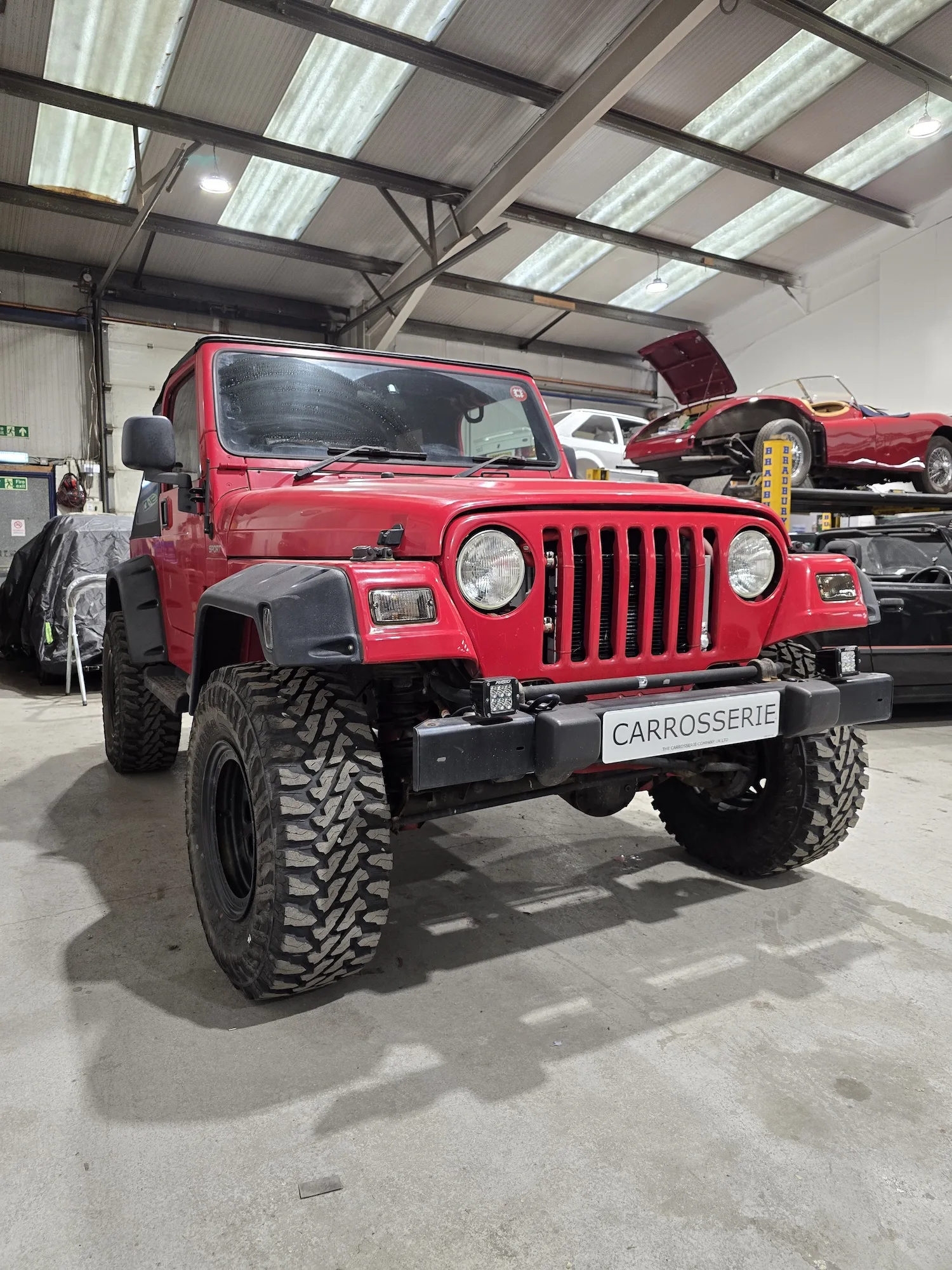
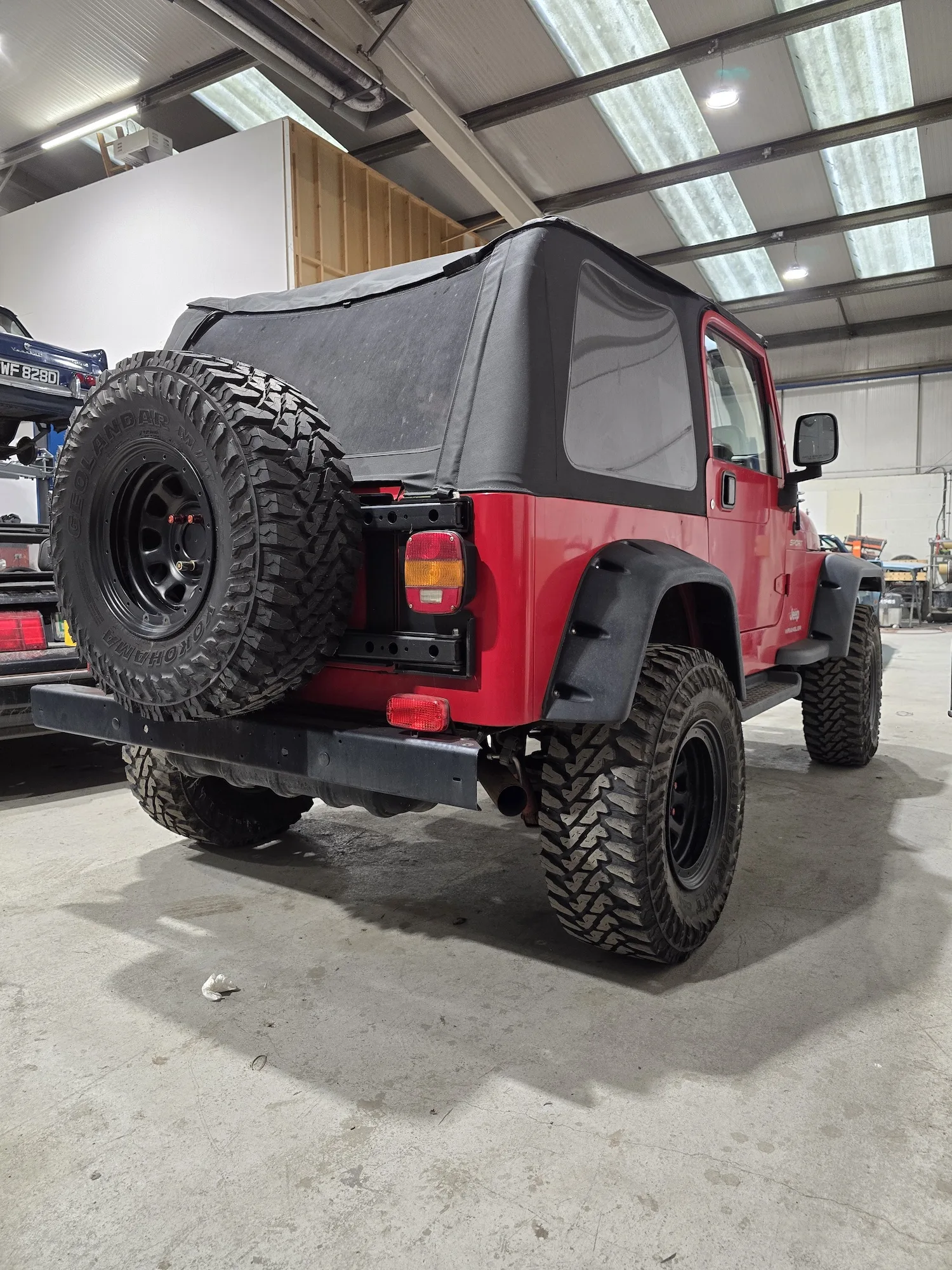
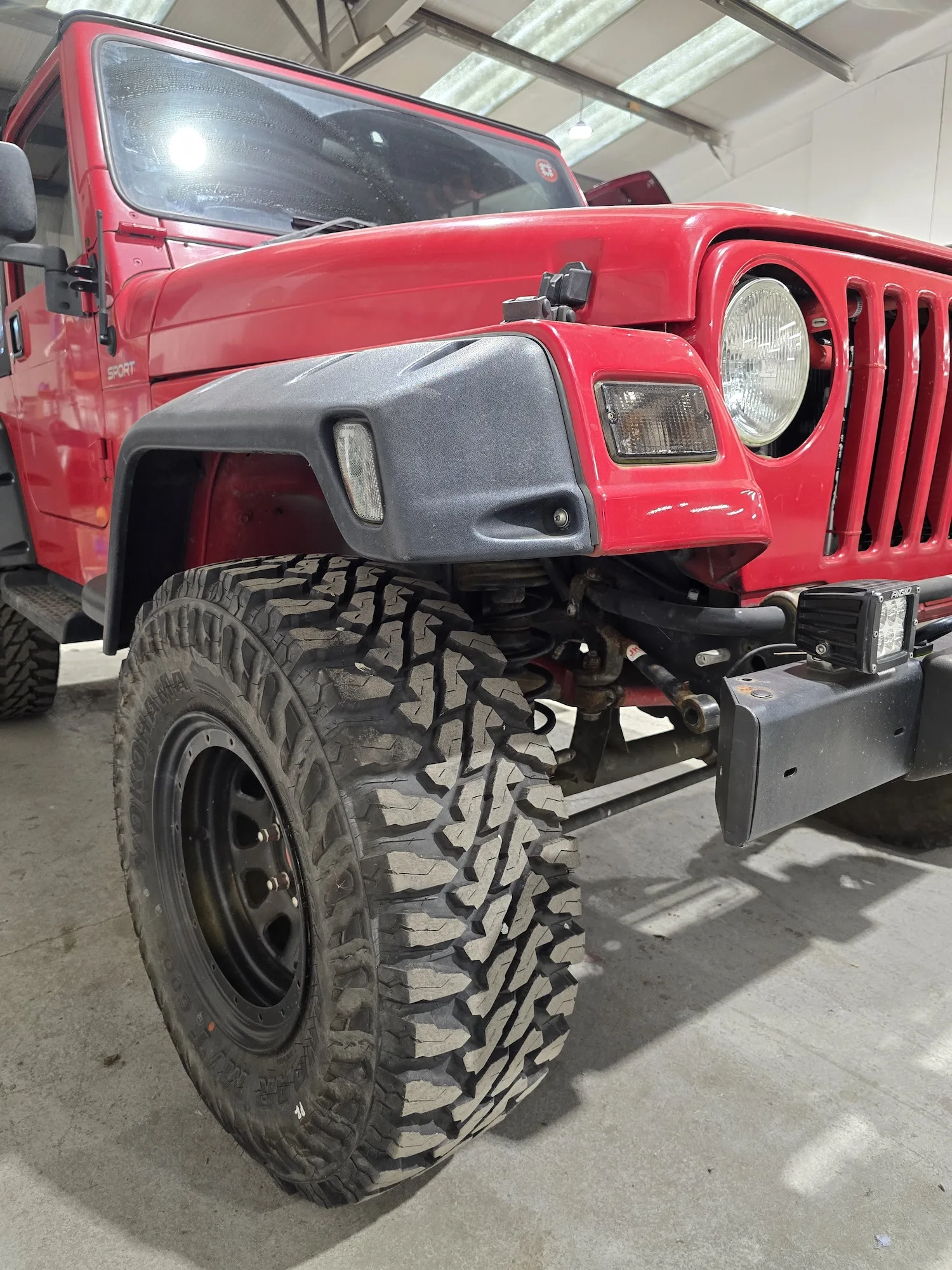
The 2005 Jeep Wrangler formed part of the second generation of the modern Wrangler line, known internally as the TJ series. The TJ had originally been introduced in 1996 for the 1997 model year, replacing the earlier YJ generation. It marked a return to round headlamps, restoring a traditional styling cue that linked the Wrangler more closely to the original wartime Jeep and the classic CJ models.
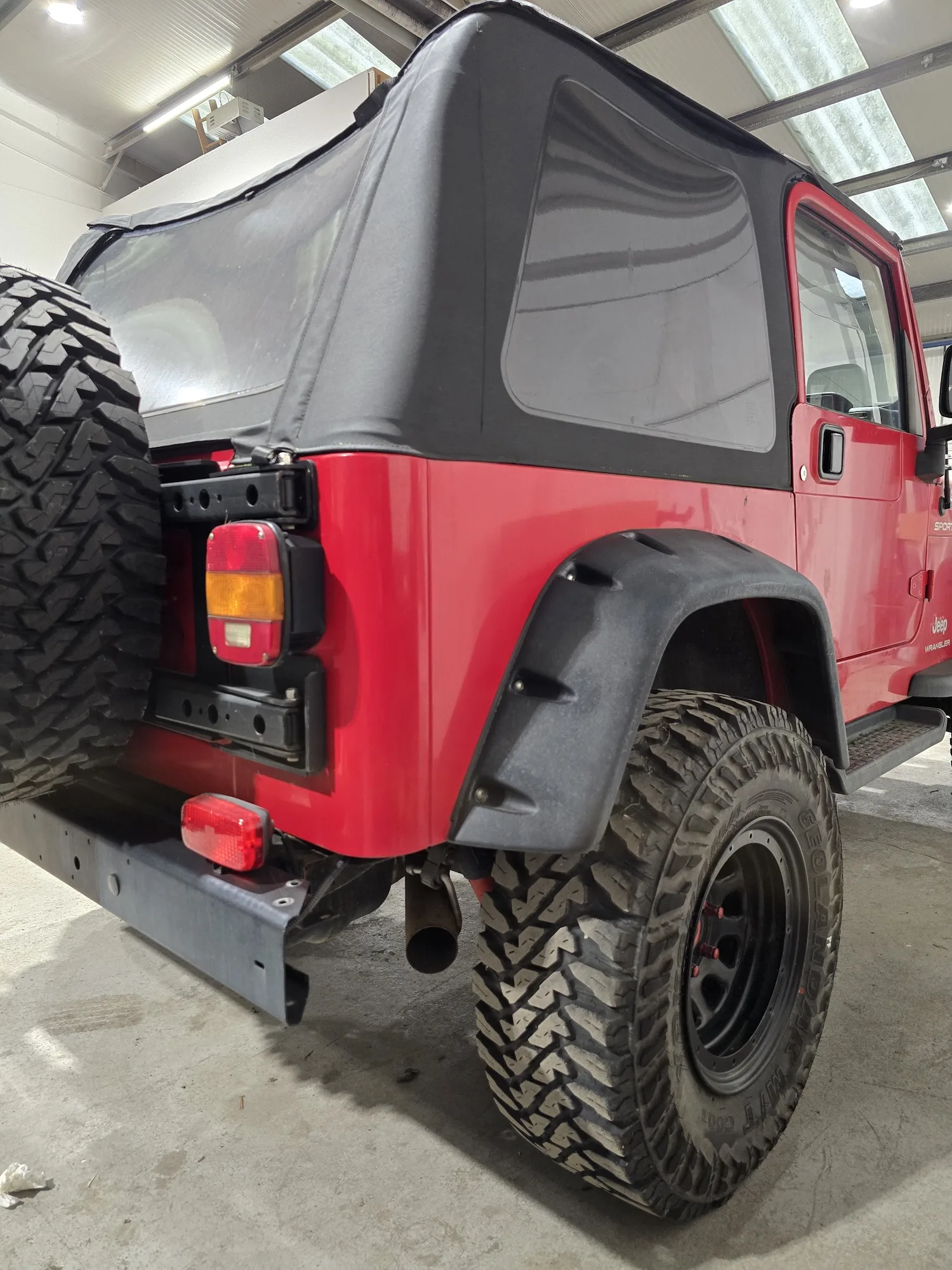
By 2005 the TJ Wrangler was in the latter stages of its production life, with the model due to be replaced in 2006 by the all-new JK generation. However, it remained highly popular thanks to its blend of rugged off-road capability, simple mechanical layout and distinctive styling. The design retained the familiar boxy shape, exposed door hinges and removable doors, along with a fold-down windscreen and detachable soft top or optional hard top.
One of the key technical features of the TJ generation was its use of coil-spring suspension at all four corners, replacing the leaf springs of the previous YJ. This gave the Wrangler improved ride comfort and better articulation off road, while maintaining its solid front and rear axles for durability and traction on difficult terrain.
For 2005, the standard engine in most markets was a 4.0-litre straight-six petrol unit, well regarded for its robustness and strong low-speed torque. It produced around 190 brake horsepower and was available with either a five-speed manual gearbox or a four-speed automatic transmission. In some markets, a 2.4-litre four-cylinder engine was also offered as a more economical option.
The 2005 range included several trims, notably the Sport, Sahara and the highly capable Rubicon. The Rubicon version, introduced earlier in the TJ’s life cycle, featured heavy-duty Dana 44 axles, locking differentials, a low-range transfer case with a 4:1 ratio and more aggressive tyres, making it one of the most capable factory-built off-road vehicles of its time.
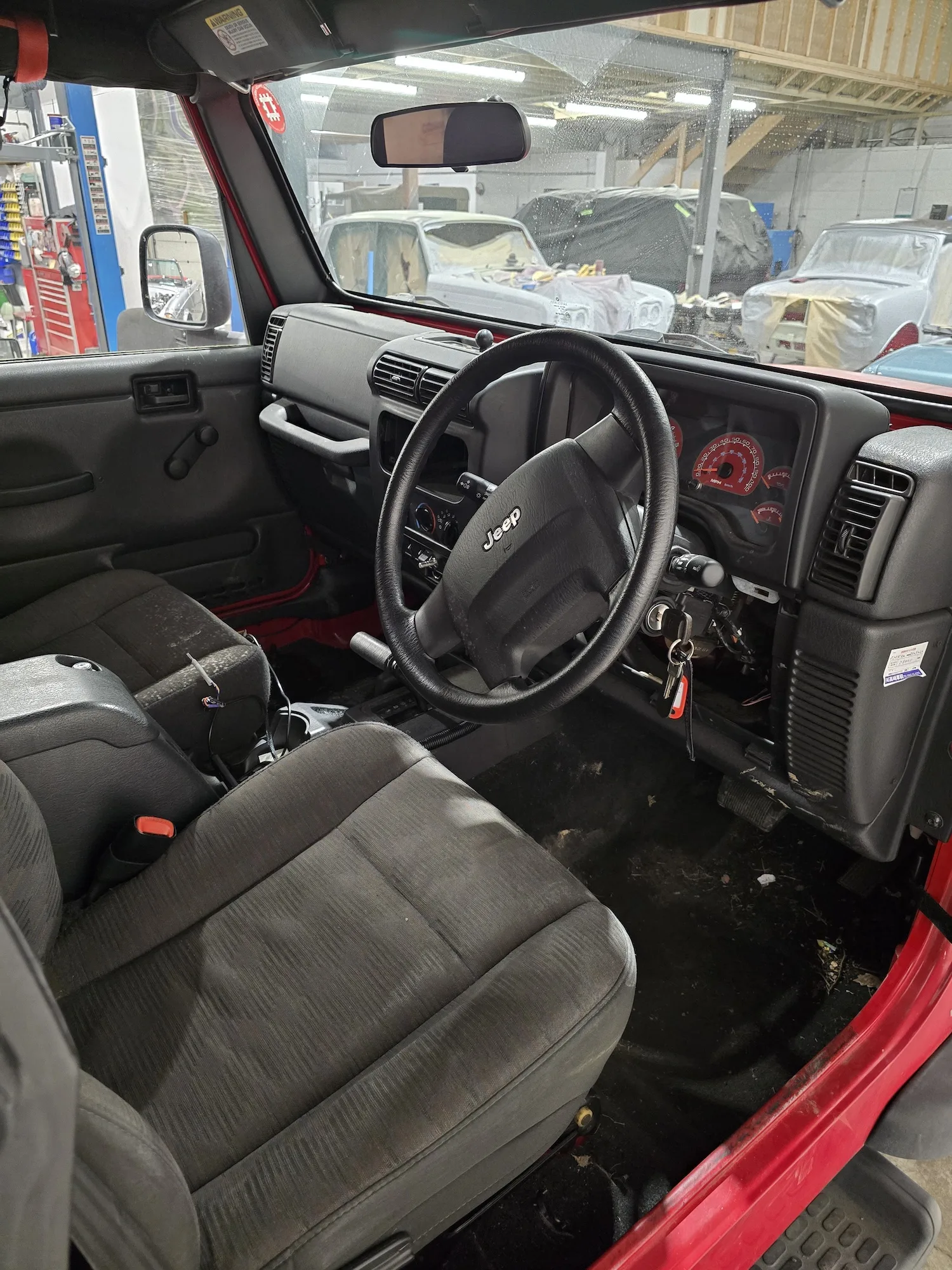
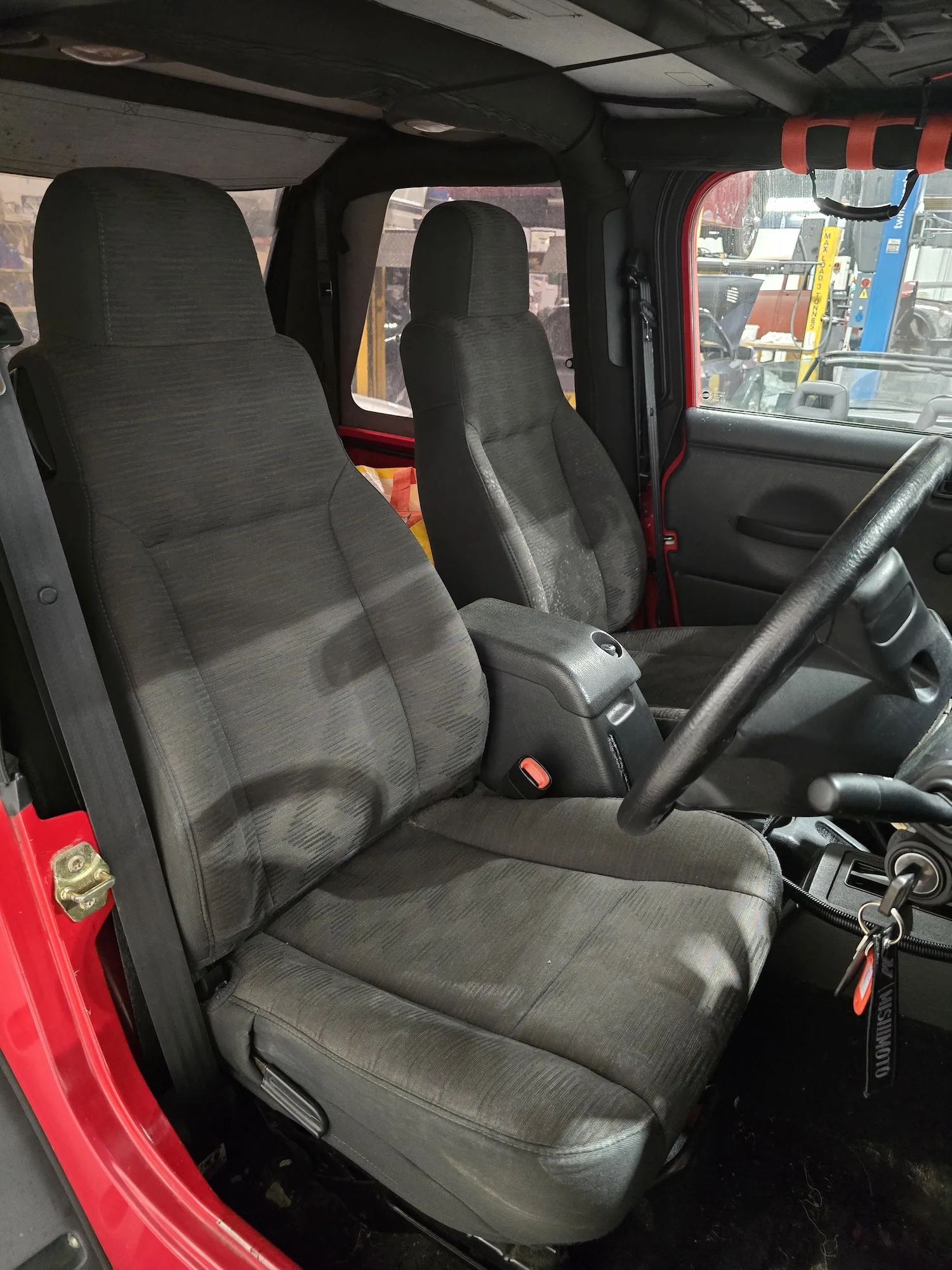
Inside, the Wrangler’s cabin was functional rather than luxurious. Materials were durable and easy to clean, reflecting the vehicle’s intended use. Air conditioning upgraded audio systems and improved trim were available, but practicality and toughness remained the priority.
The 2005 Jeep Wrangler represented the culmination of nearly a decade of refinement of the TJ platform. It combined traditional Jeep character with improved comfort and engineering over its predecessor, while preserving the essential qualities that had defined the model since the 1940s: simplicity, durability and exceptional off-road performance.
Are you ready to start your restoration journey with us?
St Helen Way
St Helen Industrial Estate
Bishop Auckland
DL14 9AZ
Tel: 01833 630 011 / Mob: 07973 616 478
By signing up, you agree to the Carrosserie Privacy Policy