

Sign up to stay informed about our latest restoration projects, industry news and more
By signing up, you agree to the Carrosserie Privacy Policy
Start your restoration journey with us today
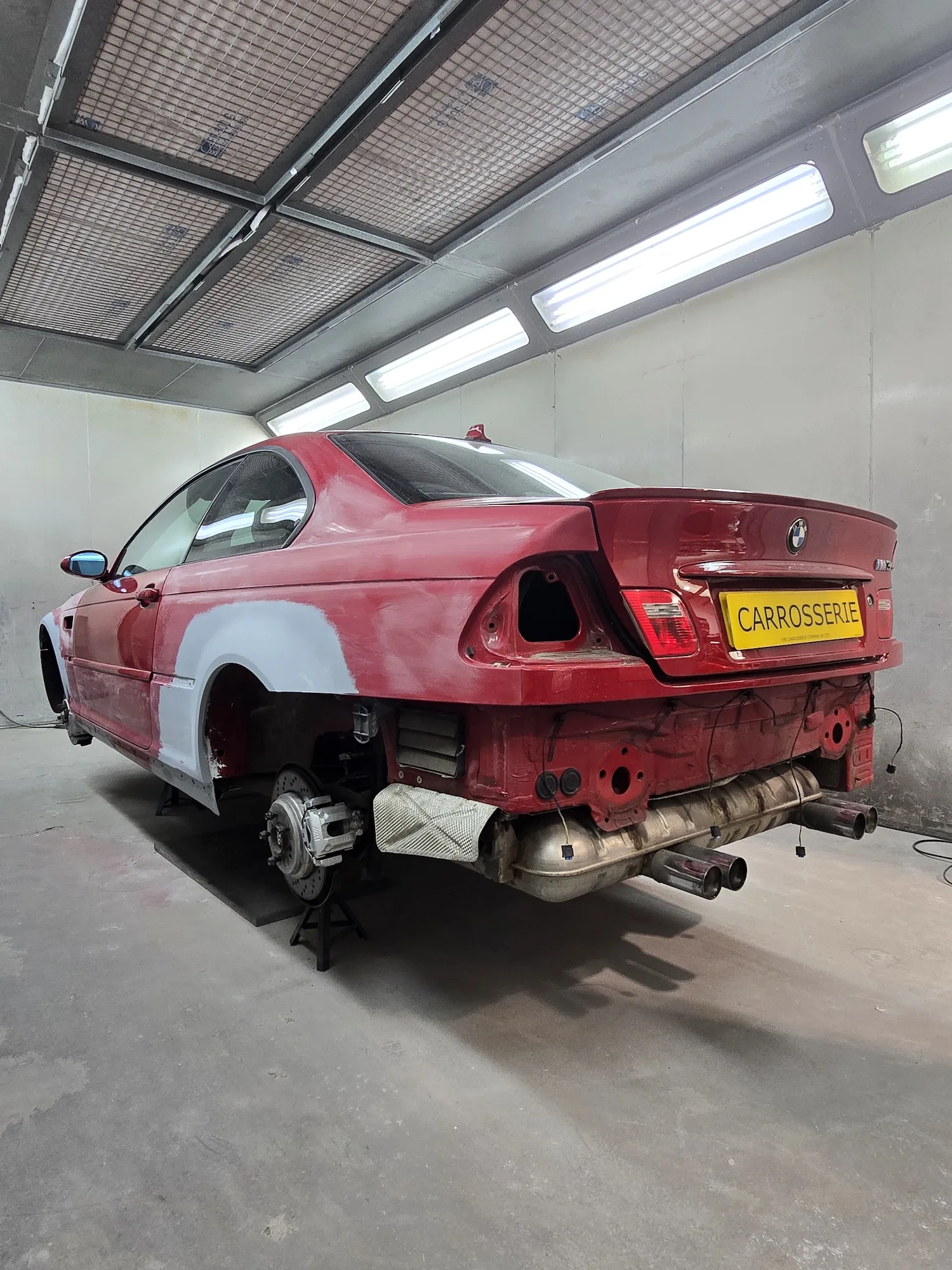
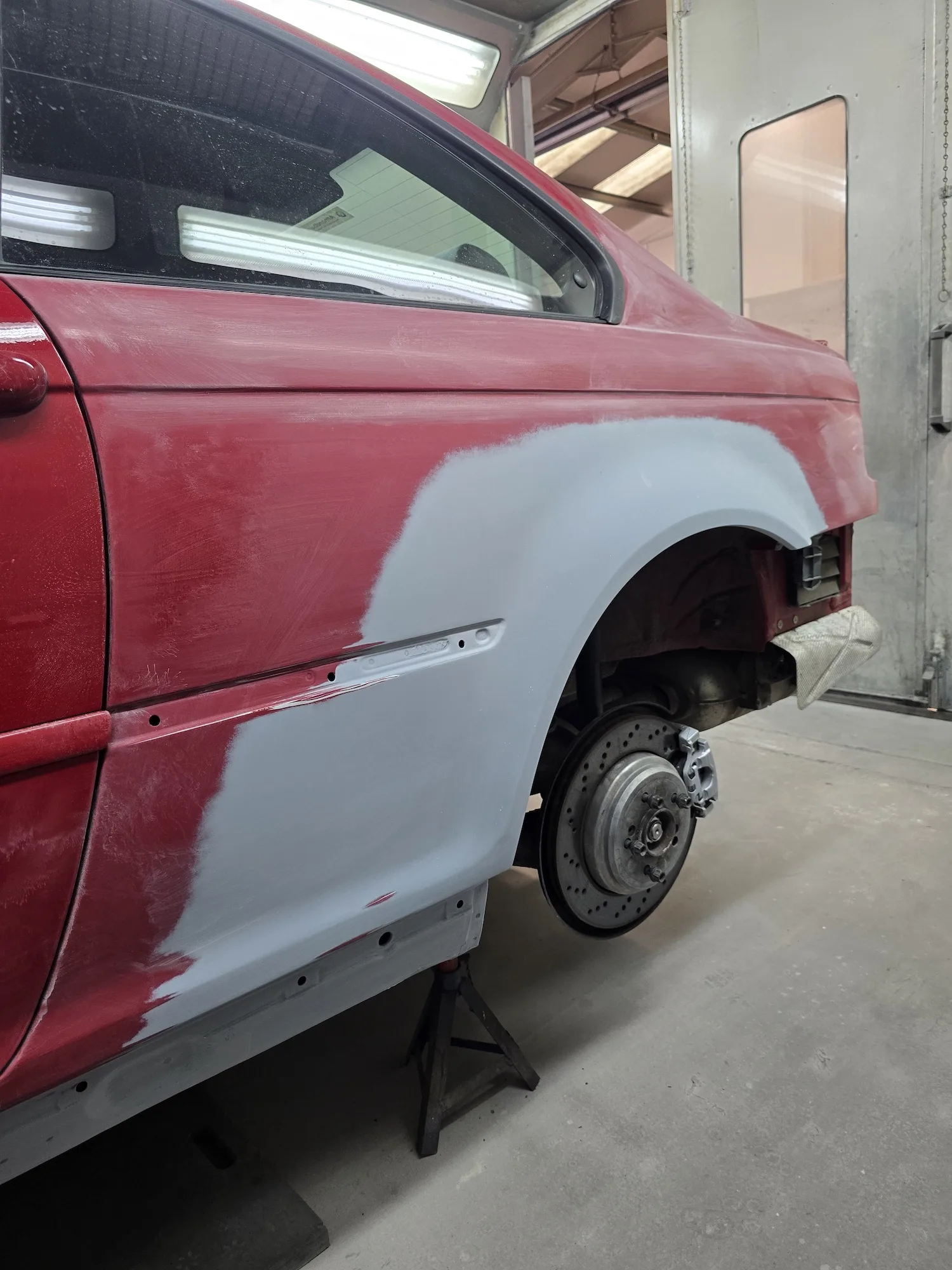
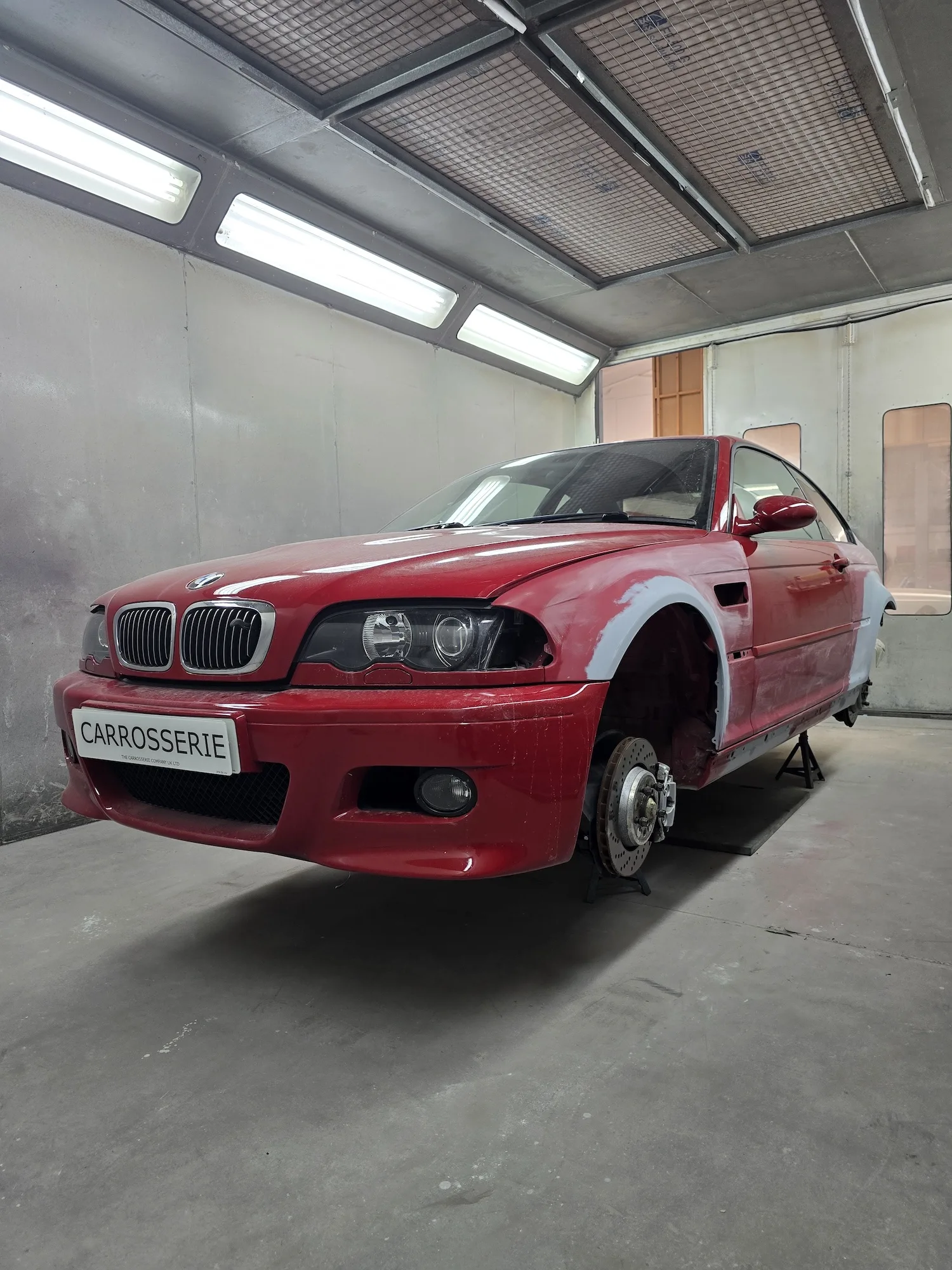
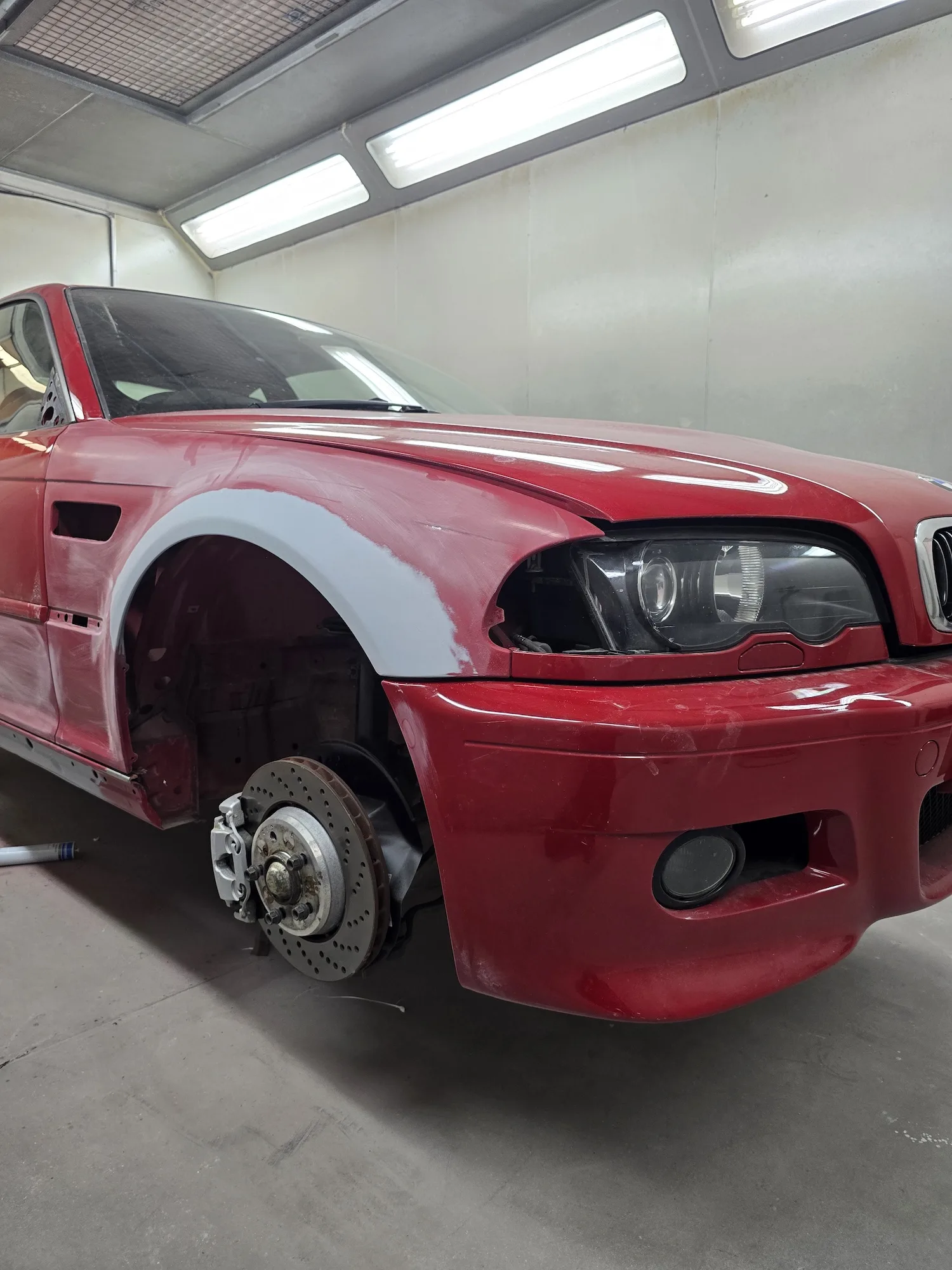
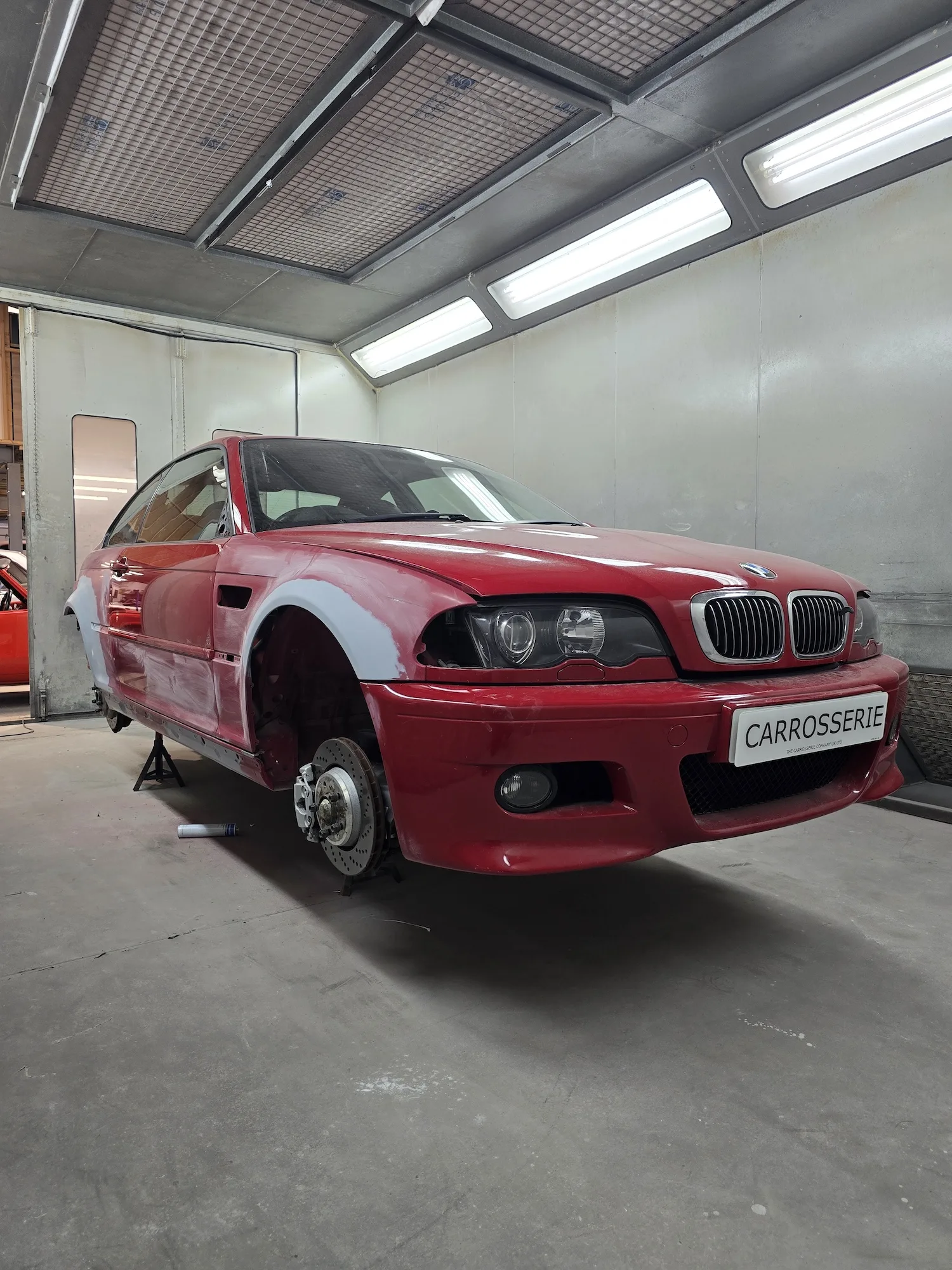
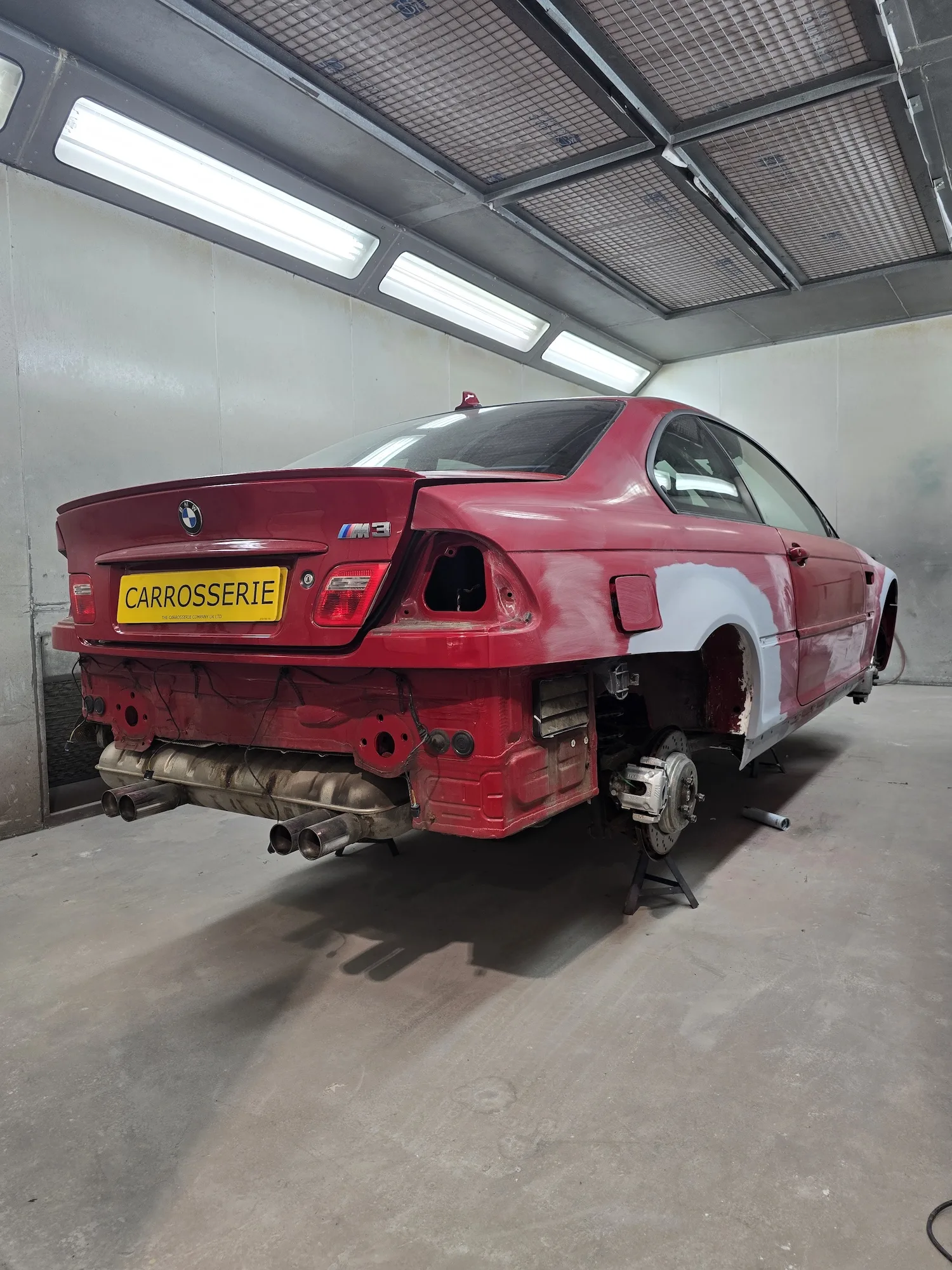
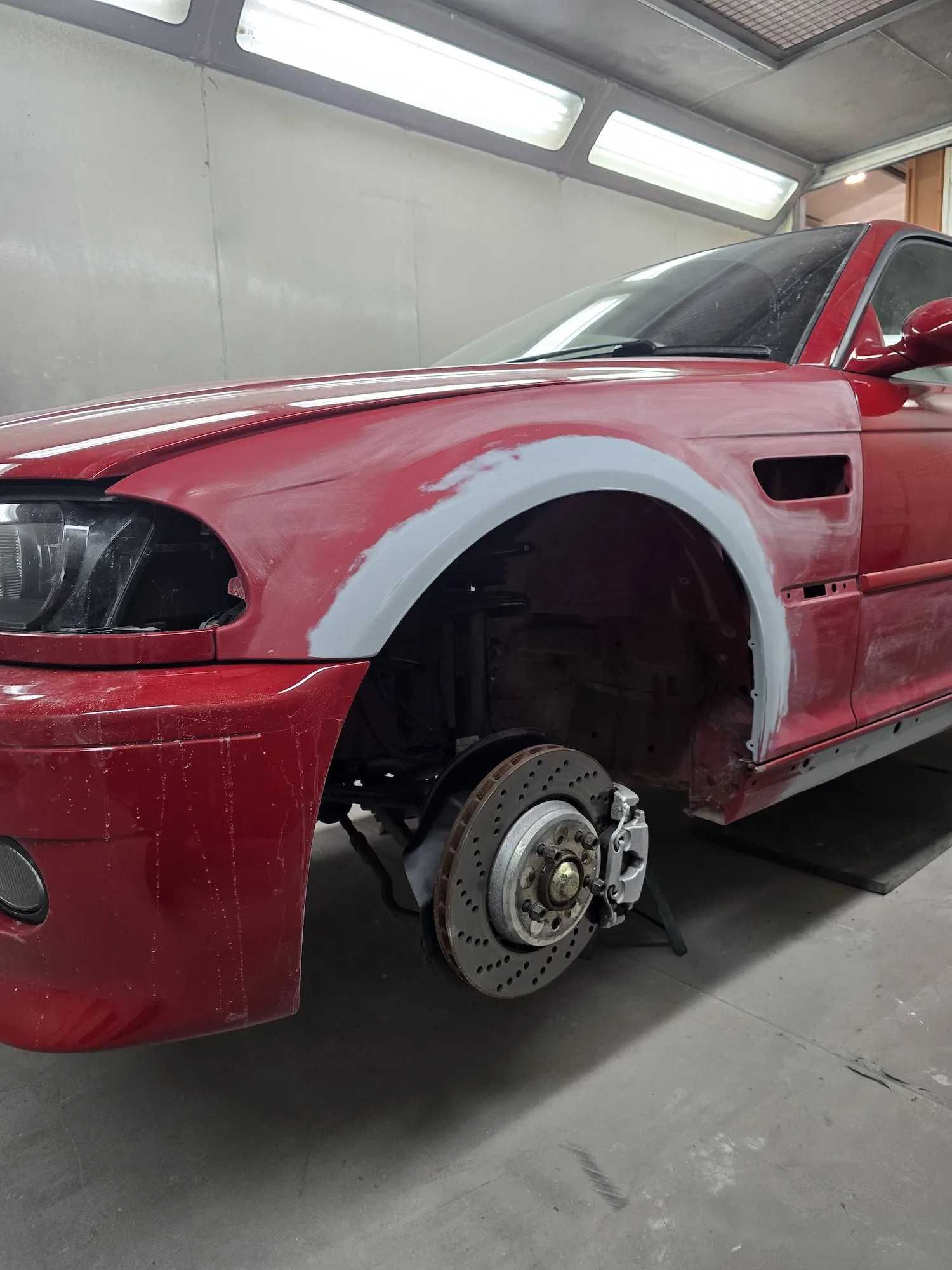
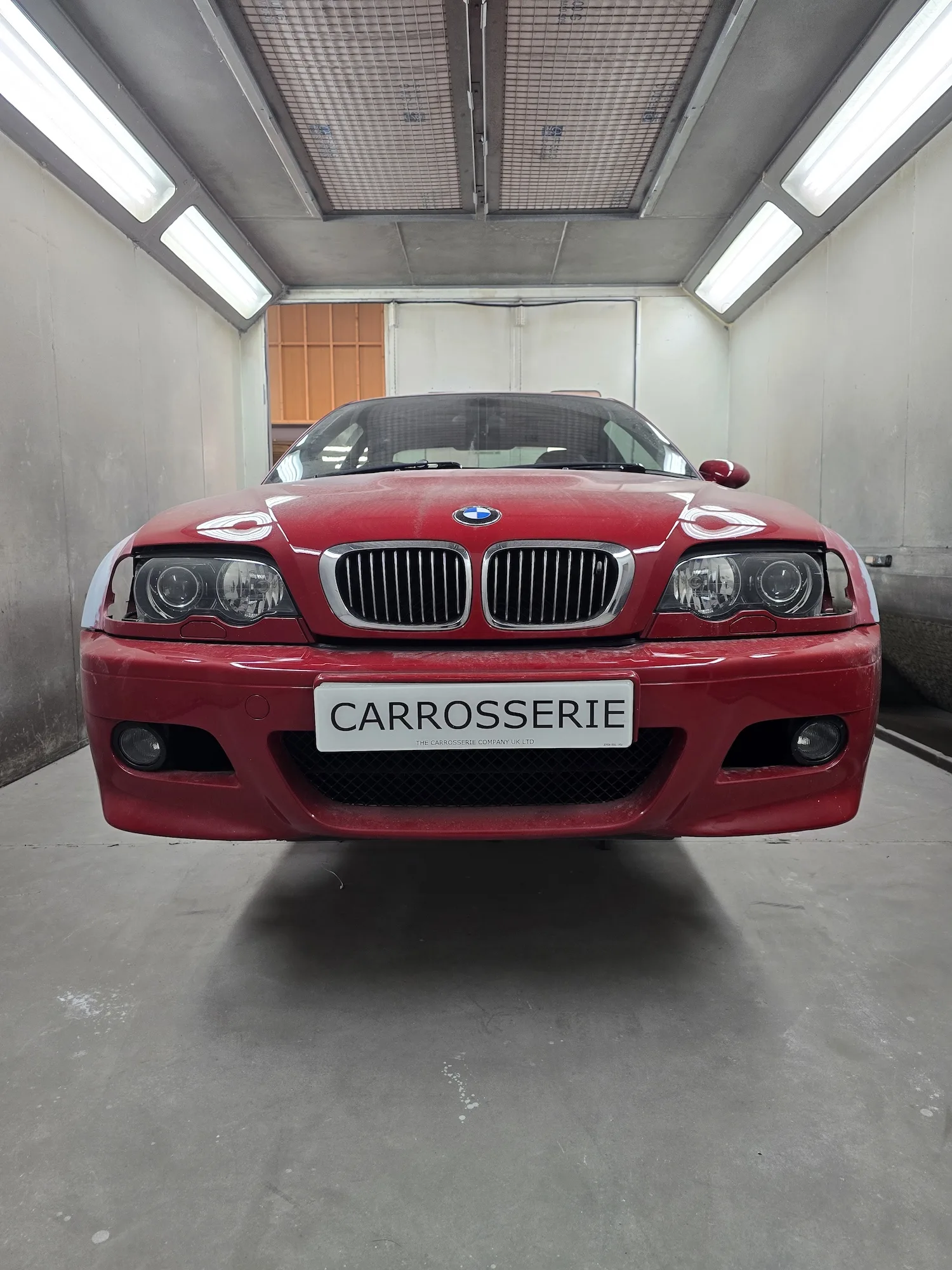
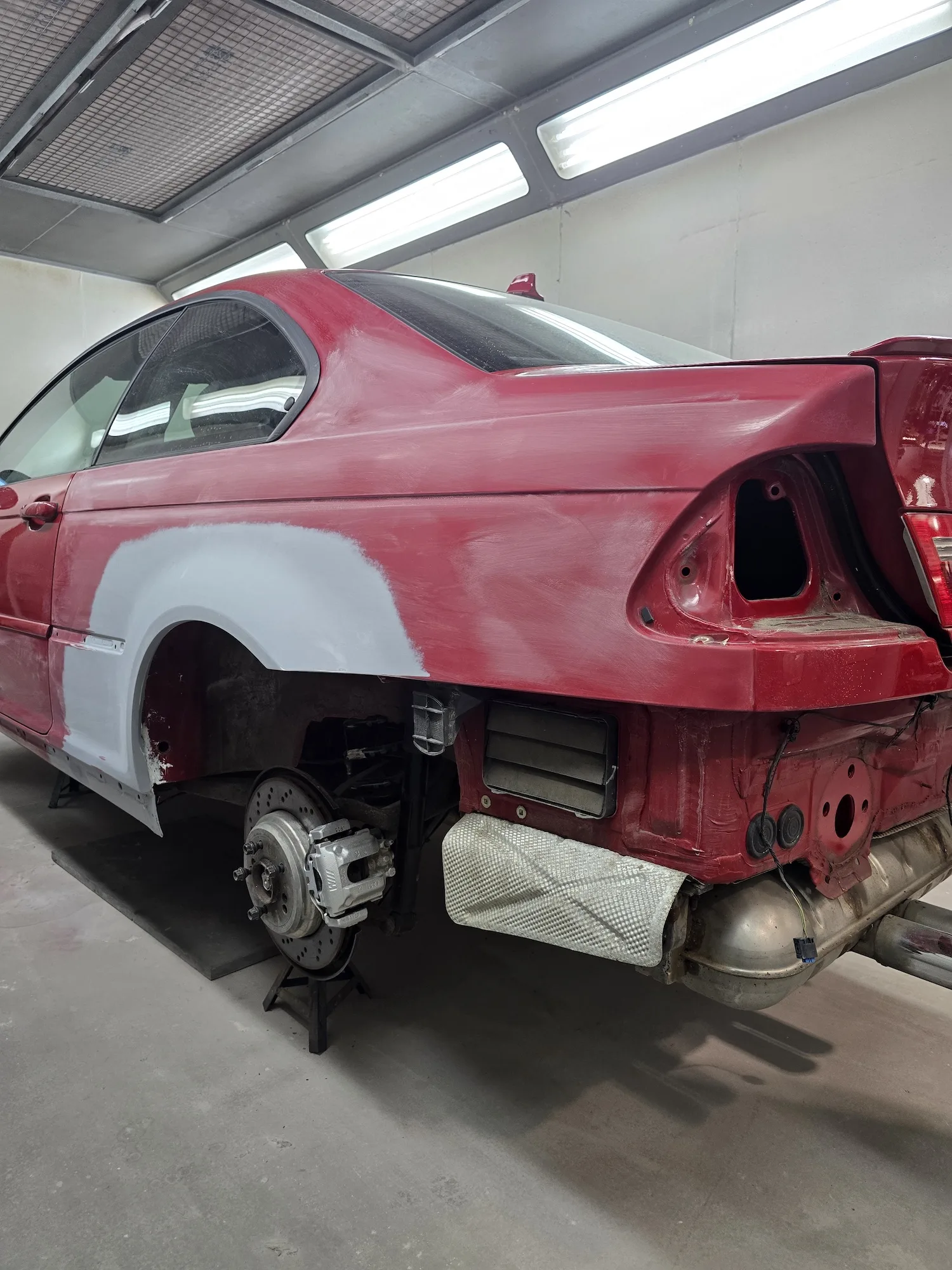
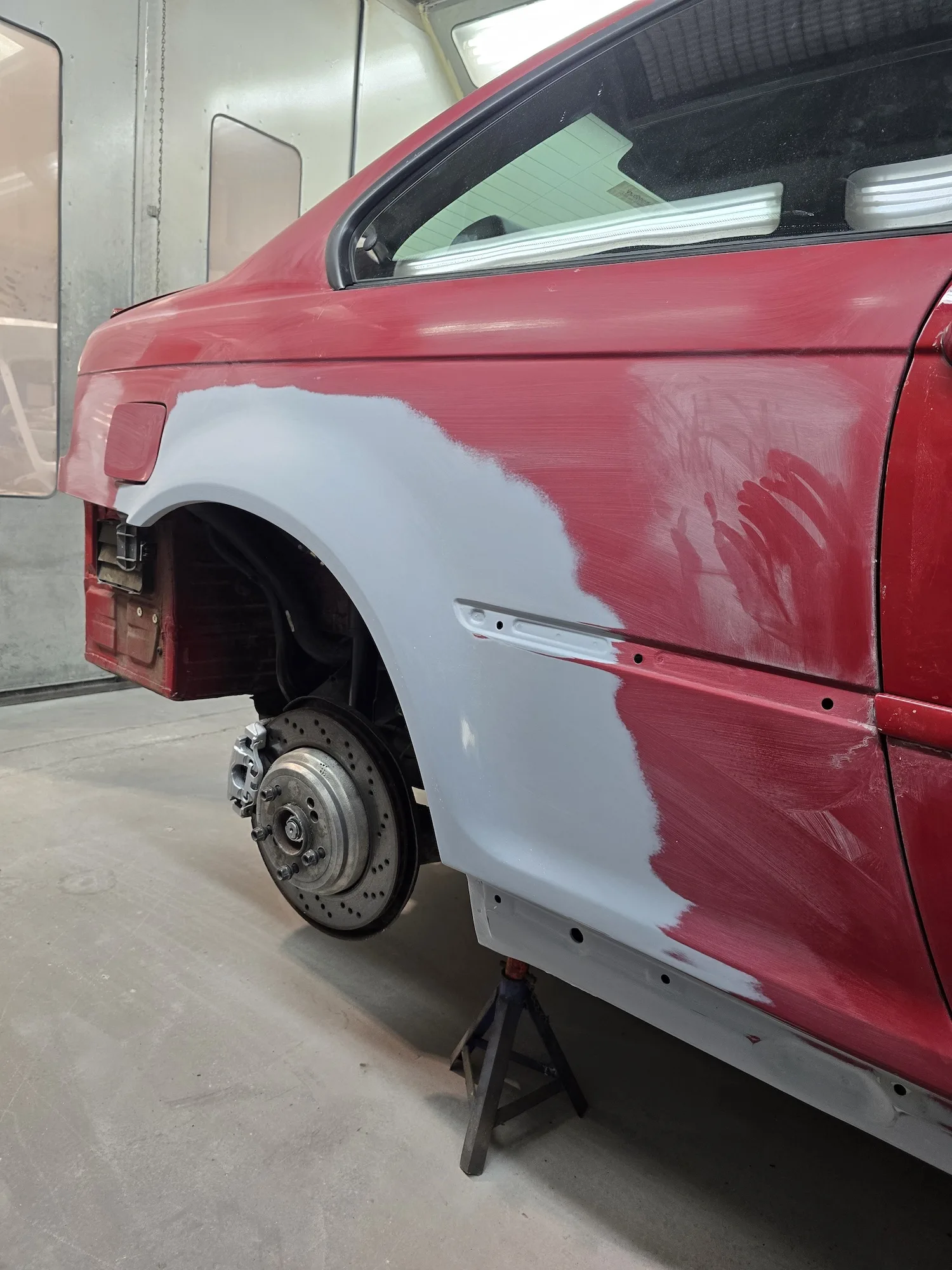
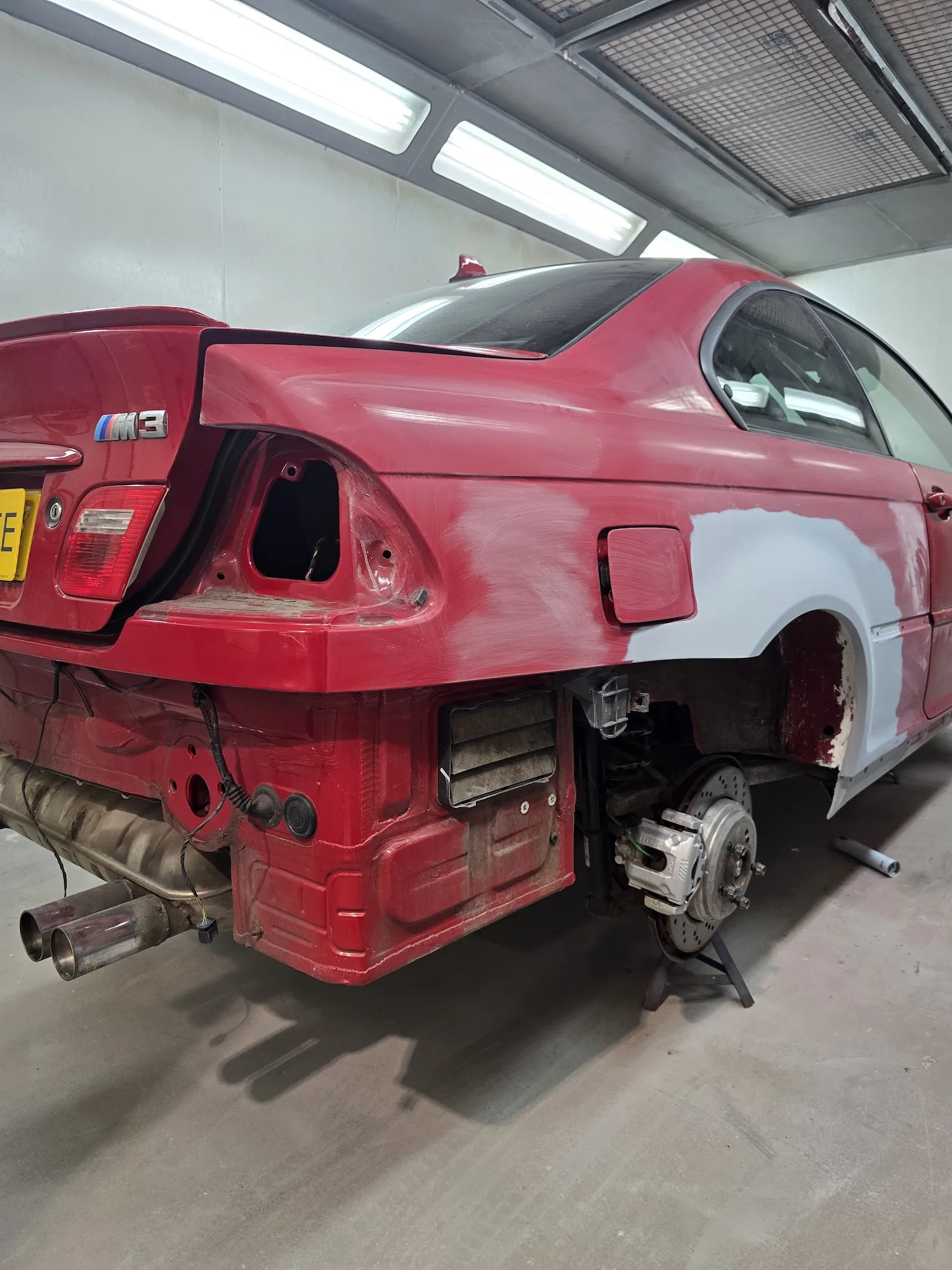
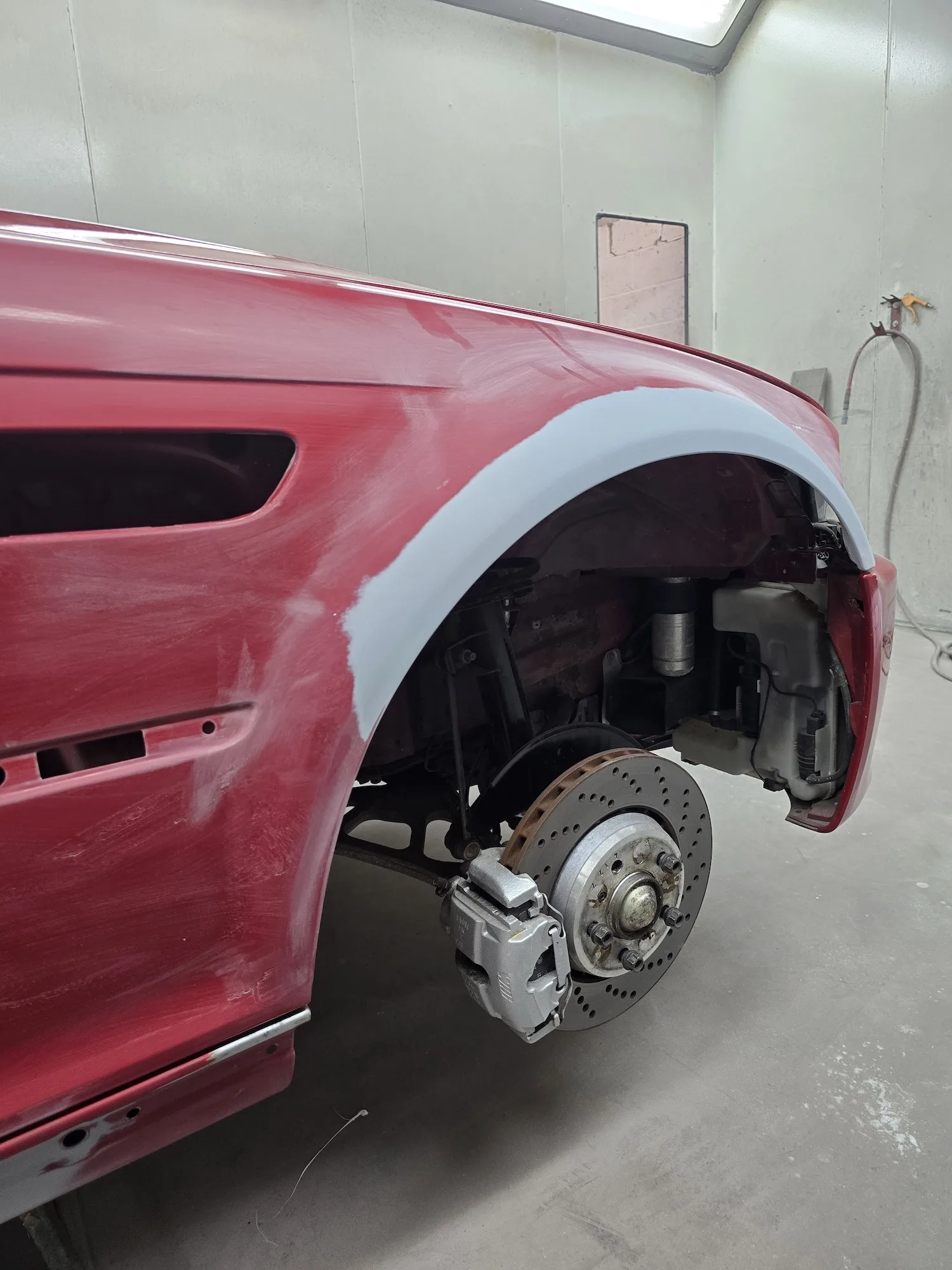
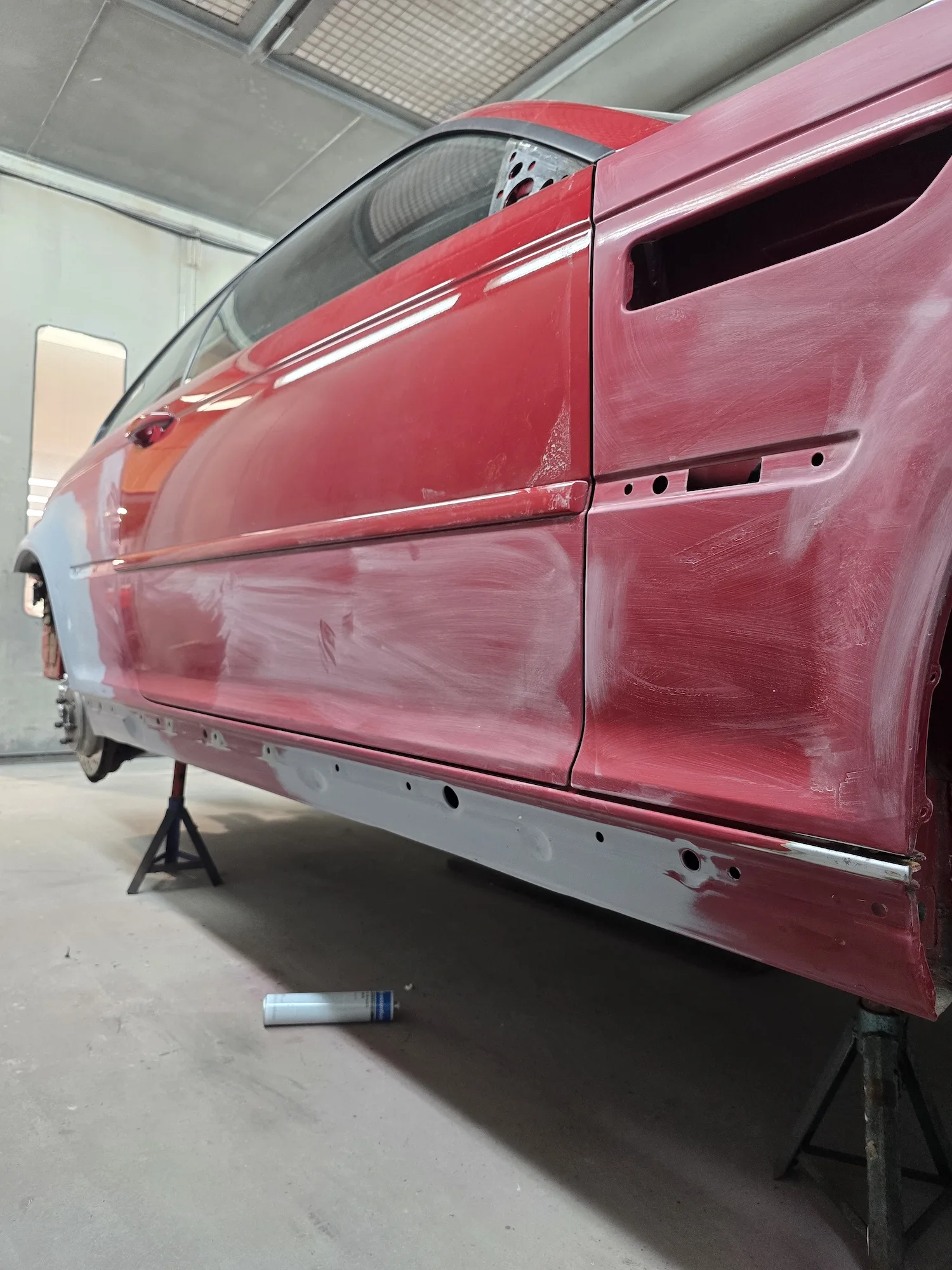
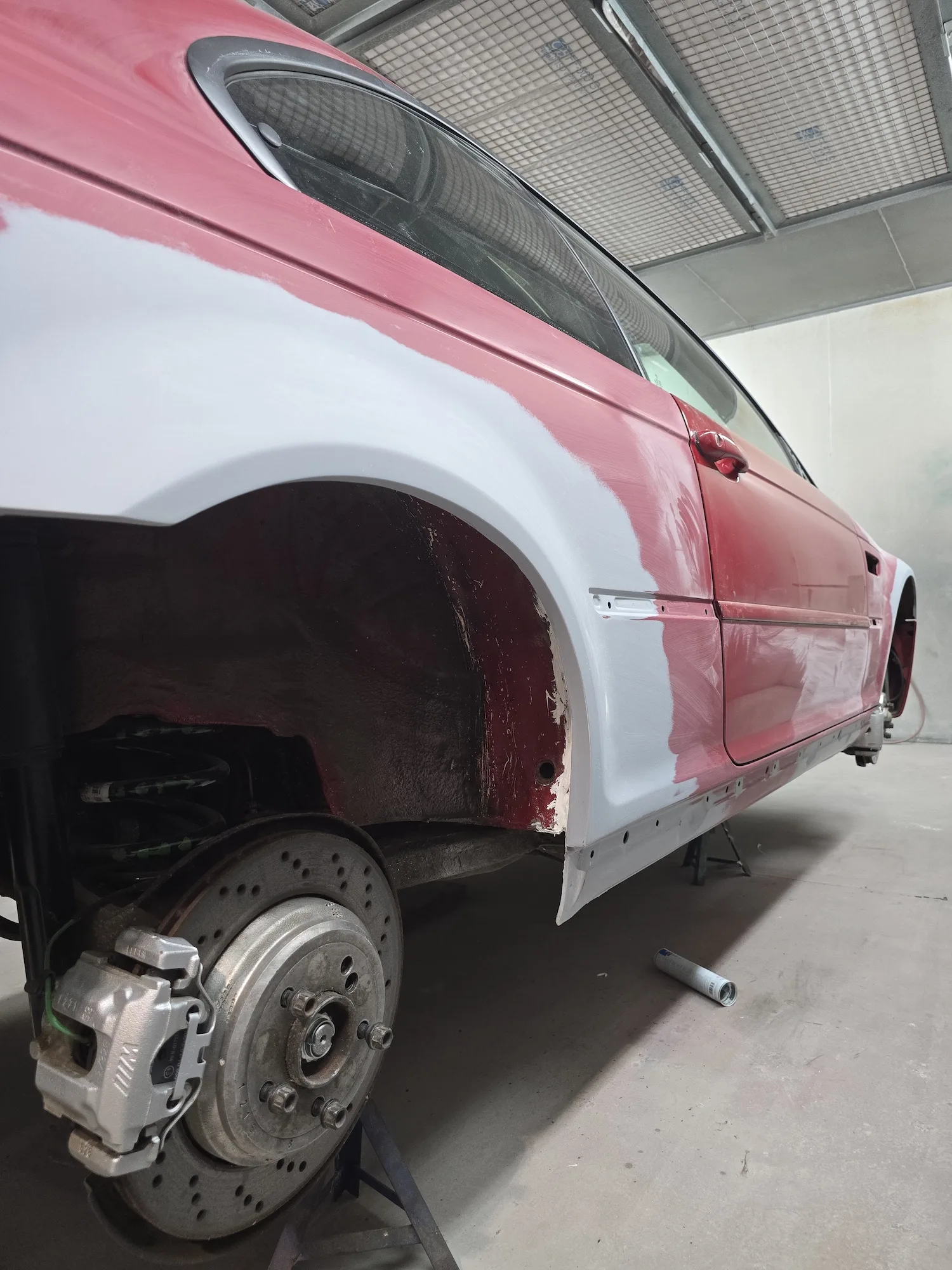
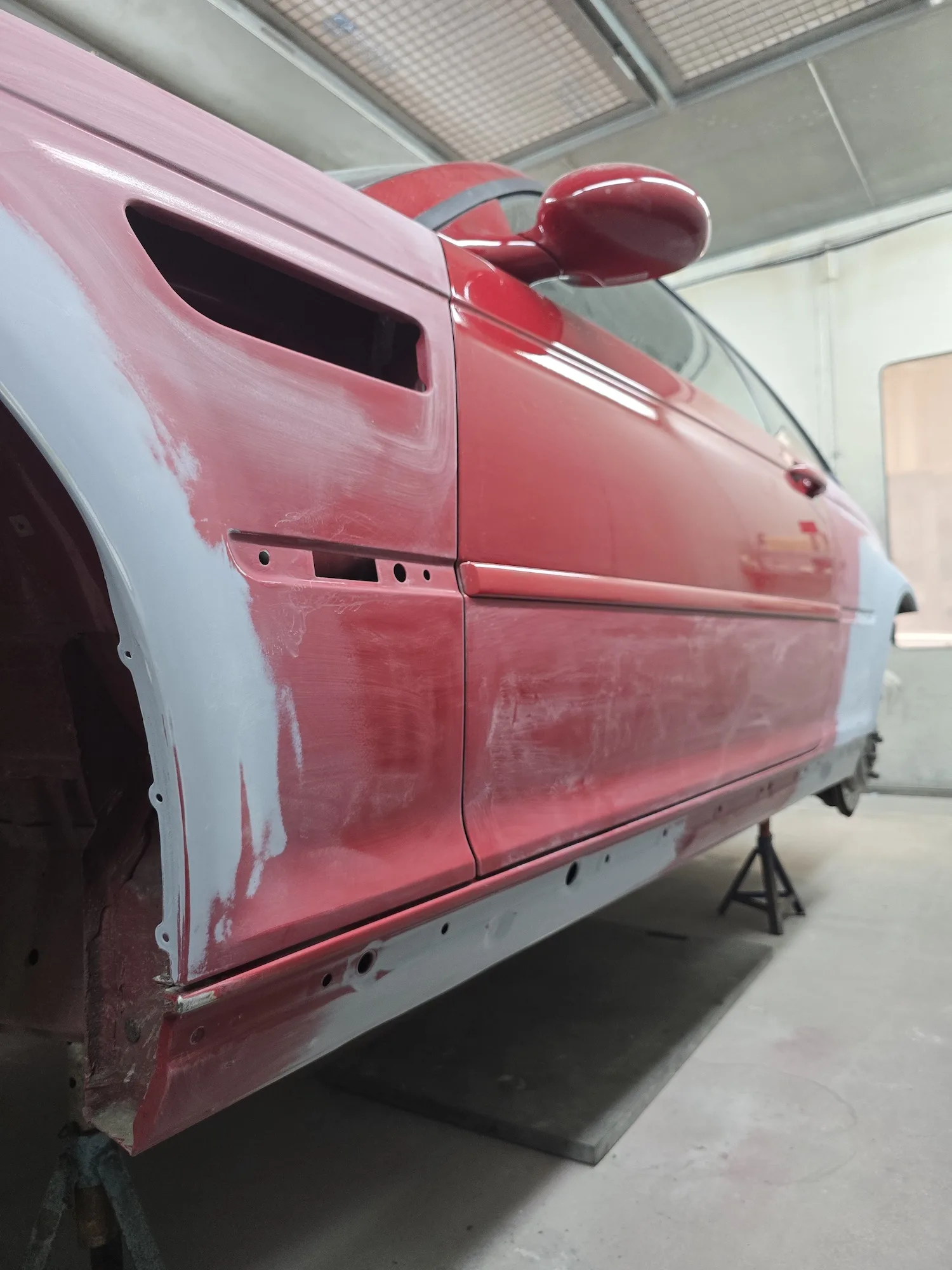
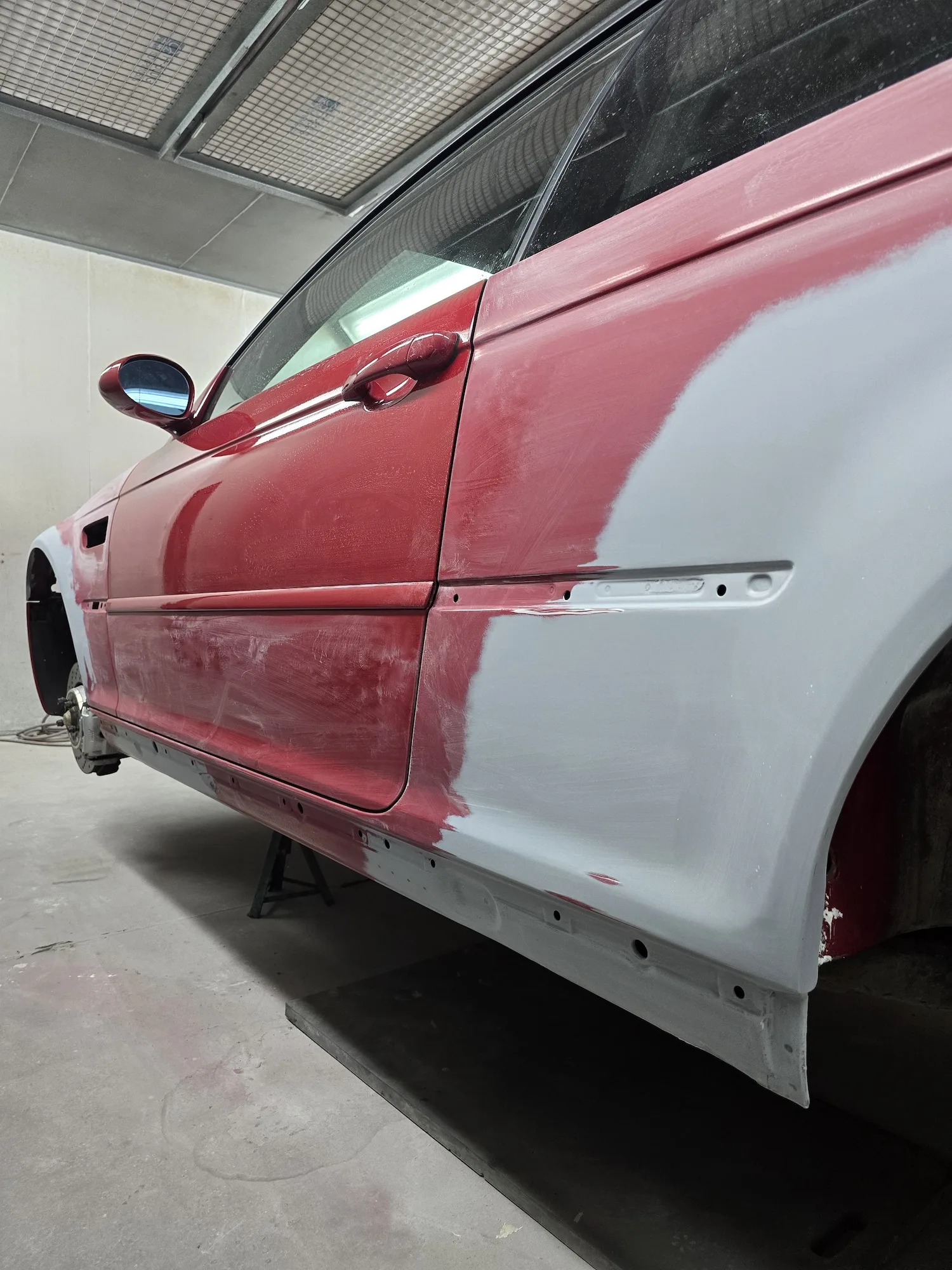
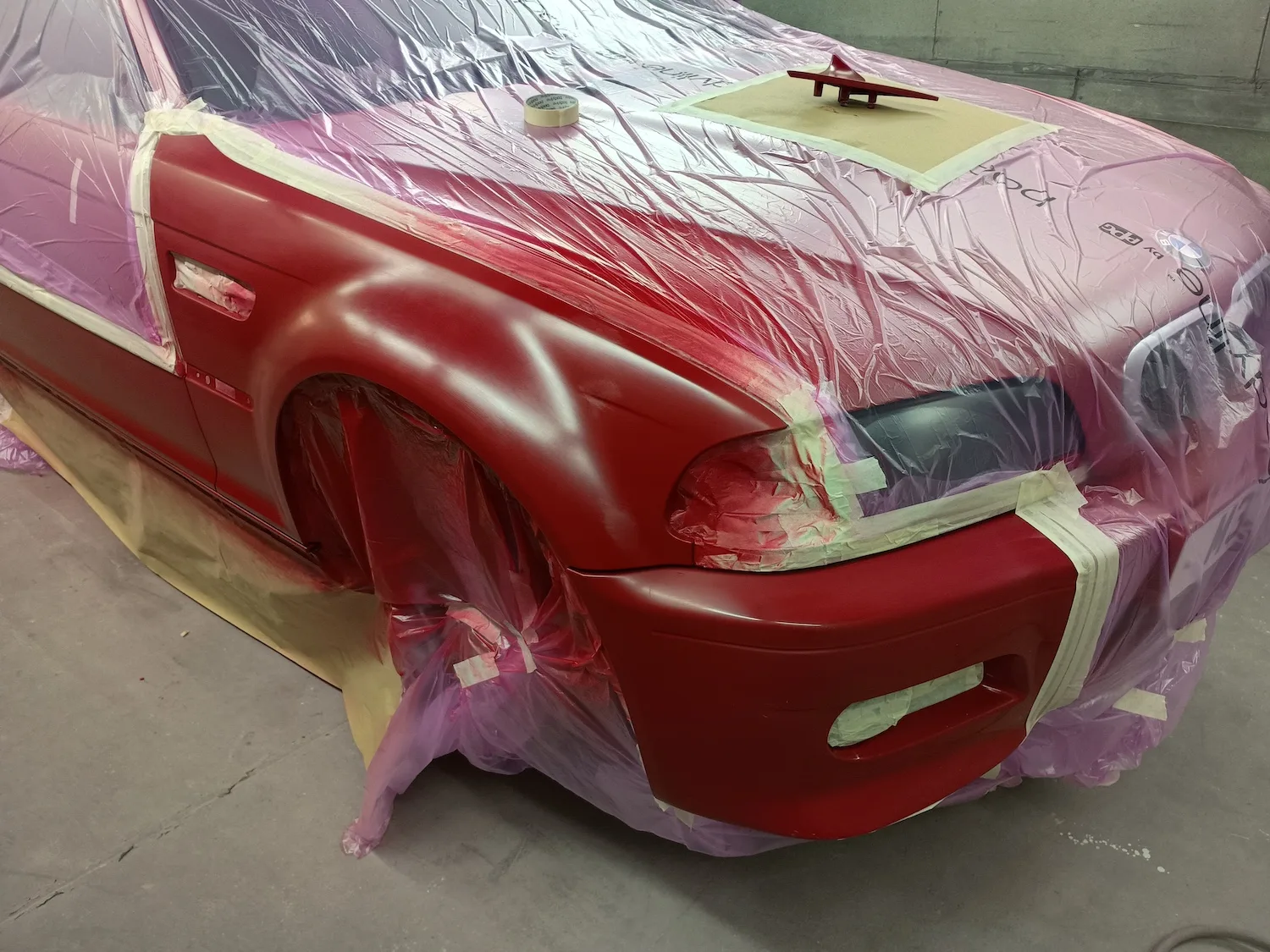
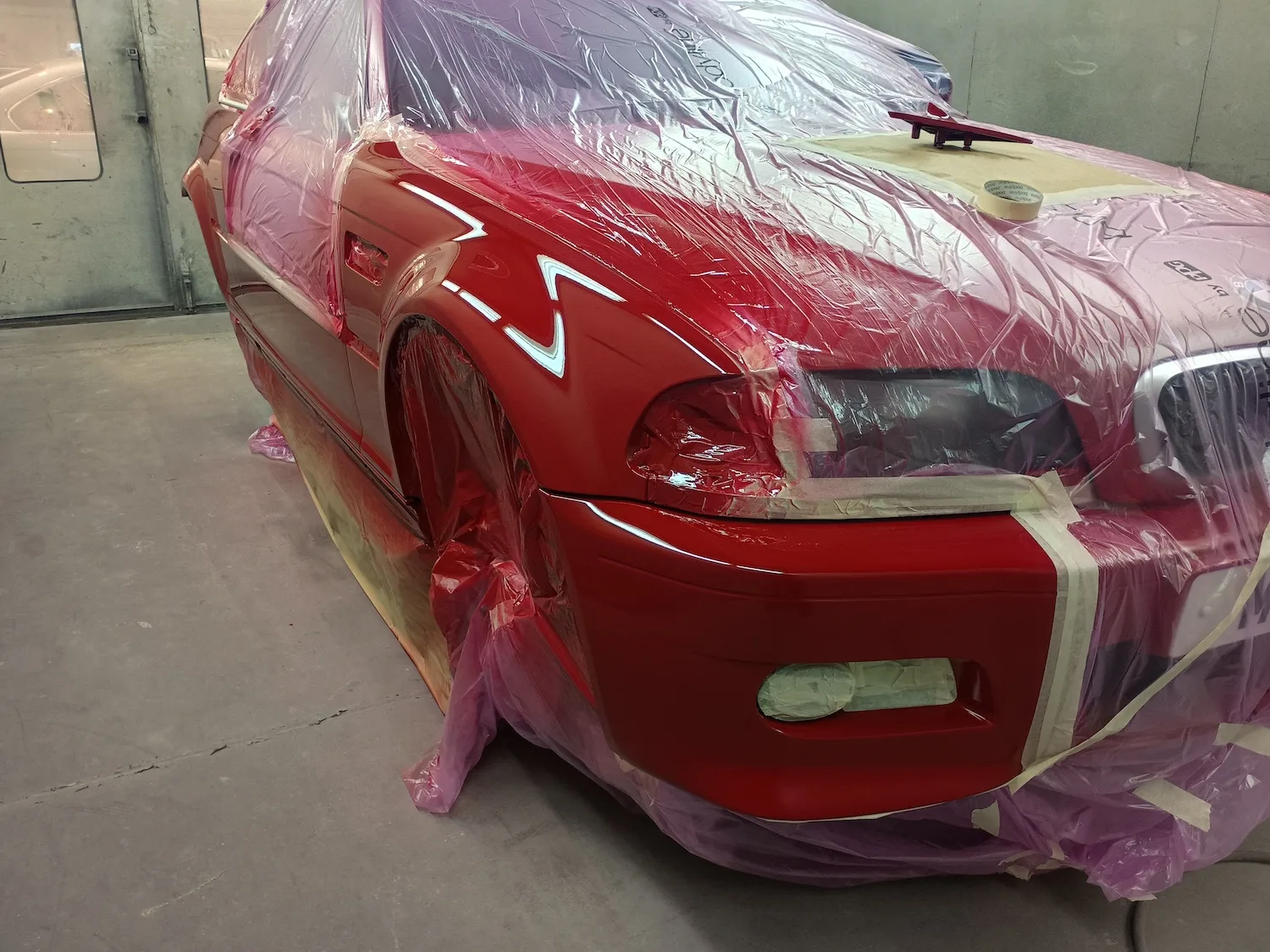
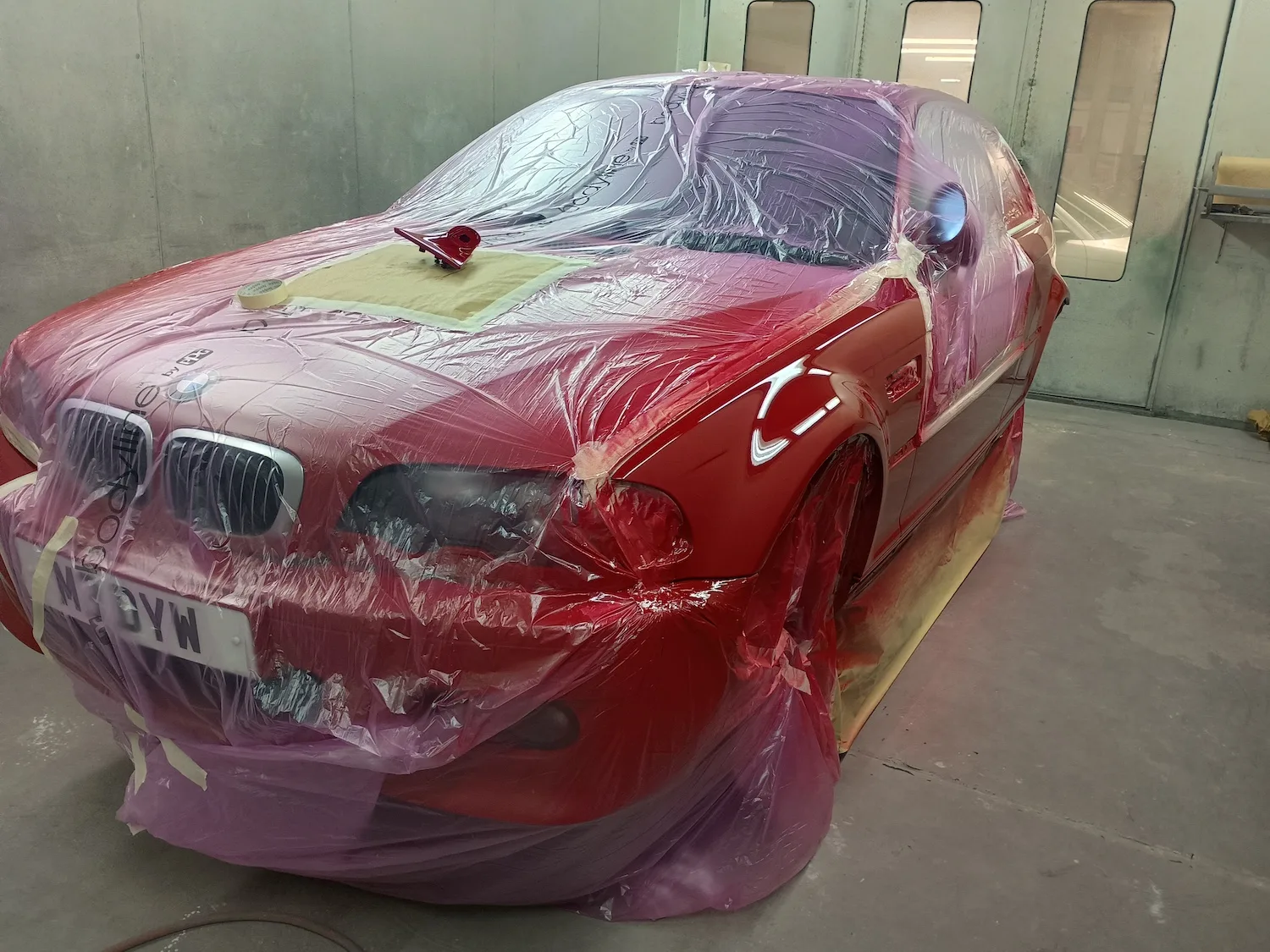
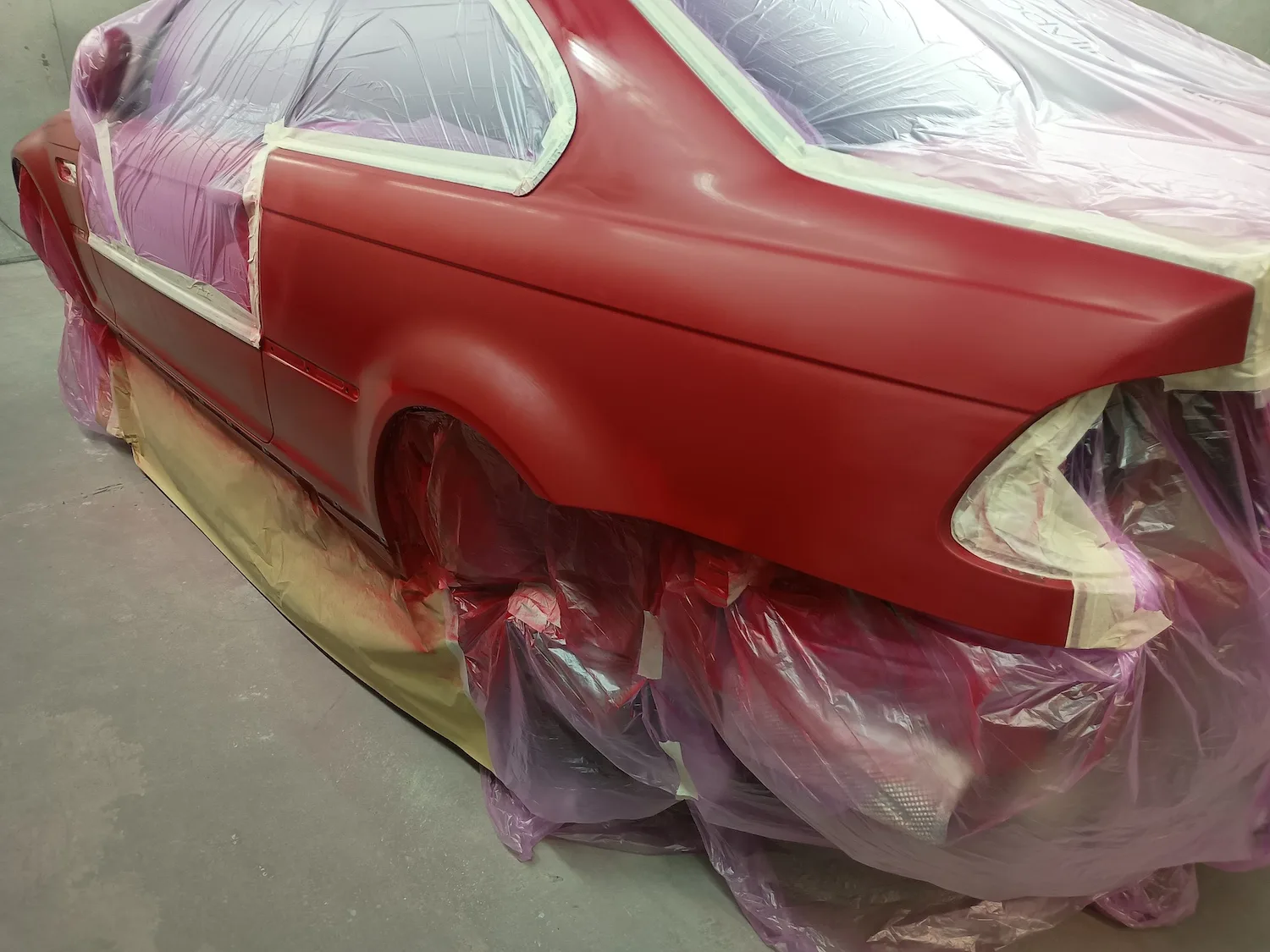
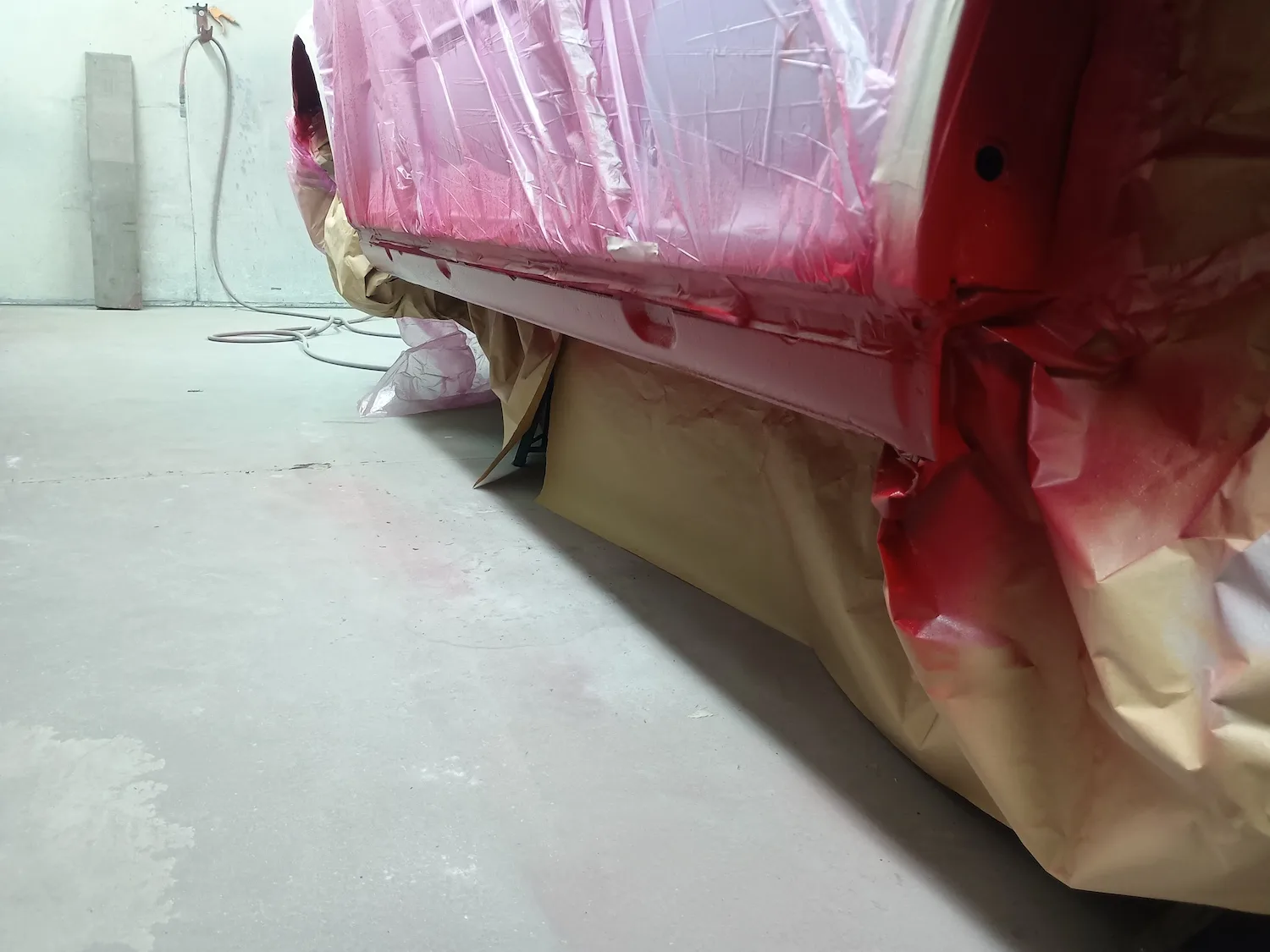
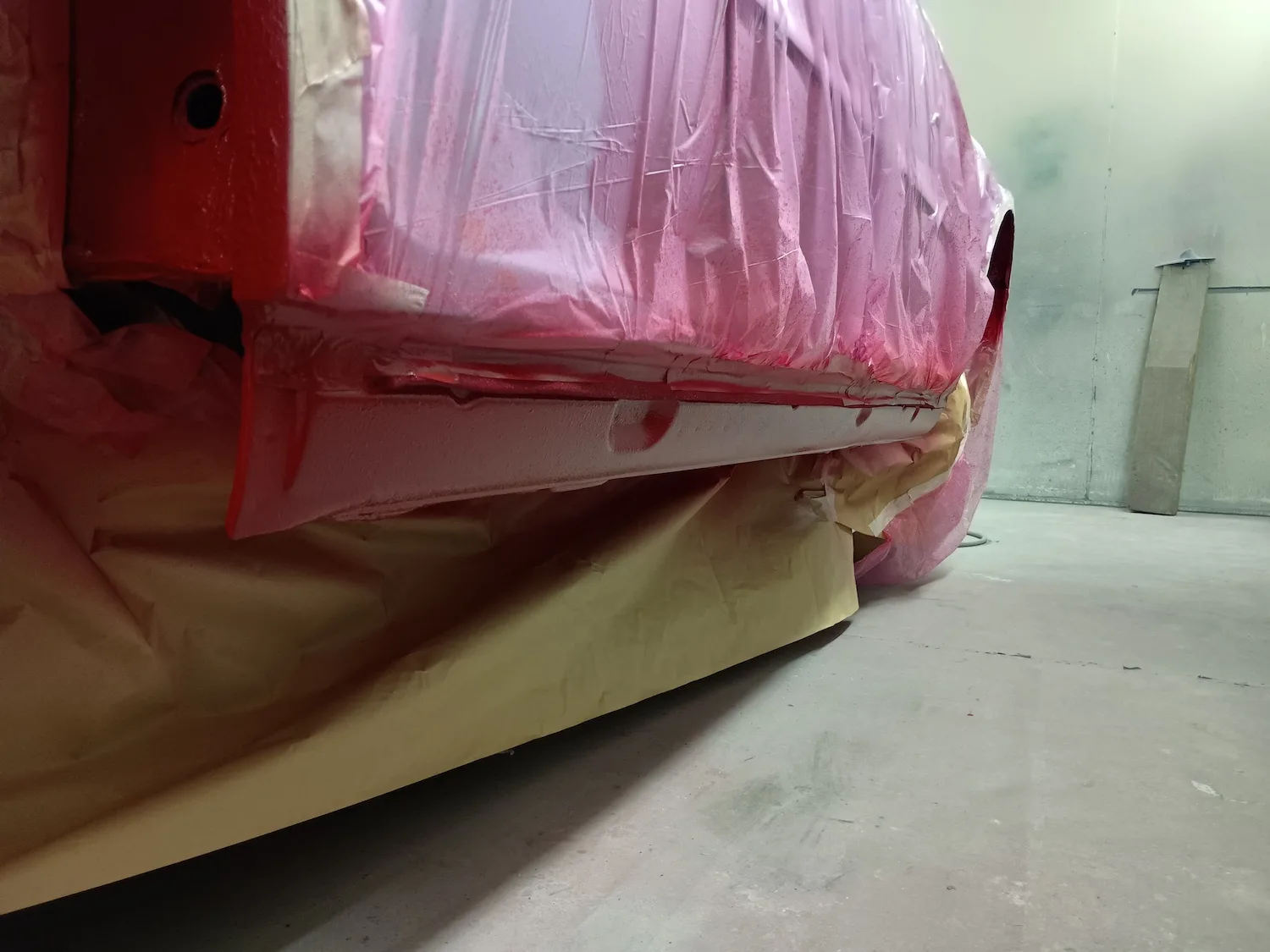
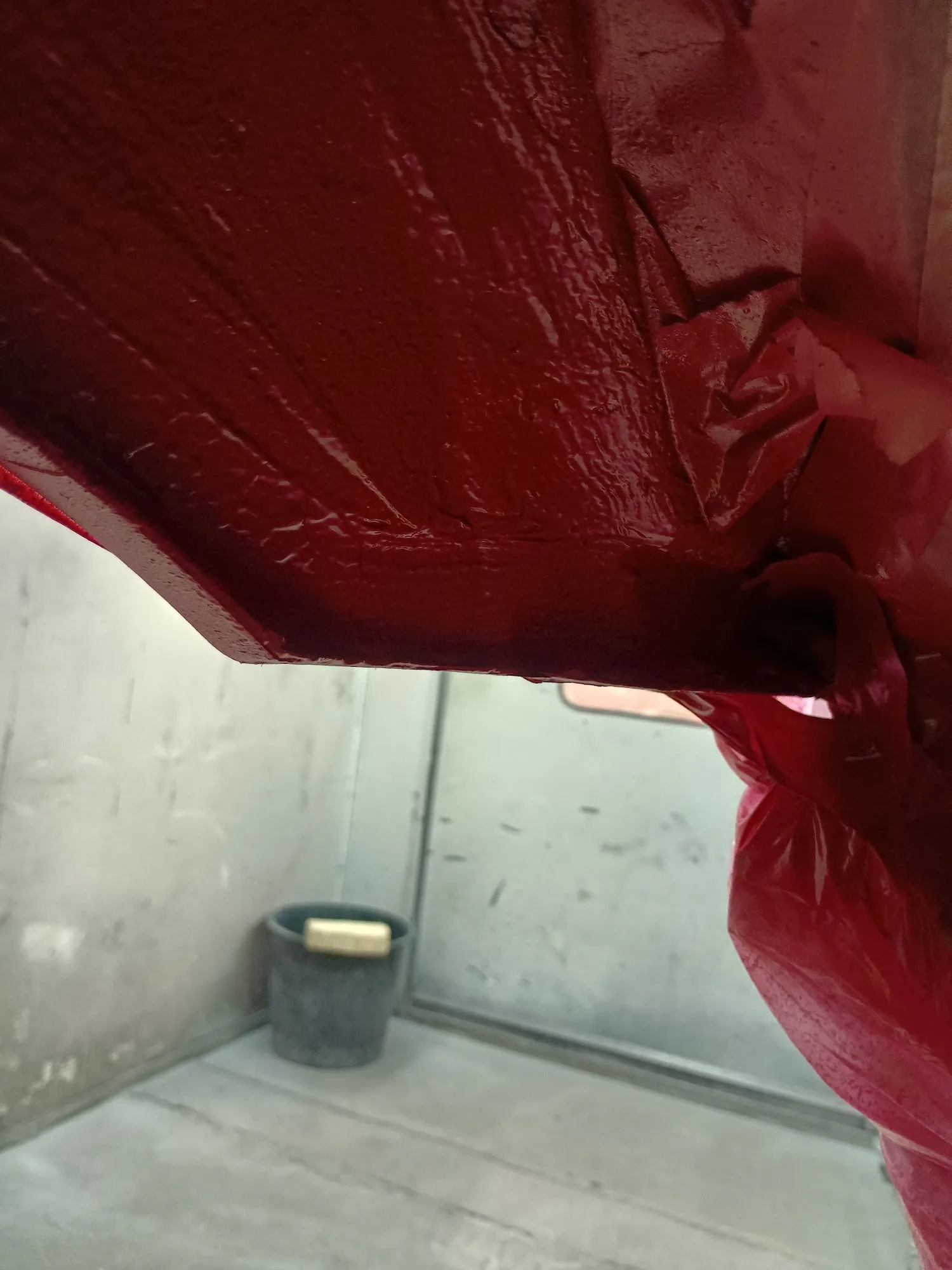
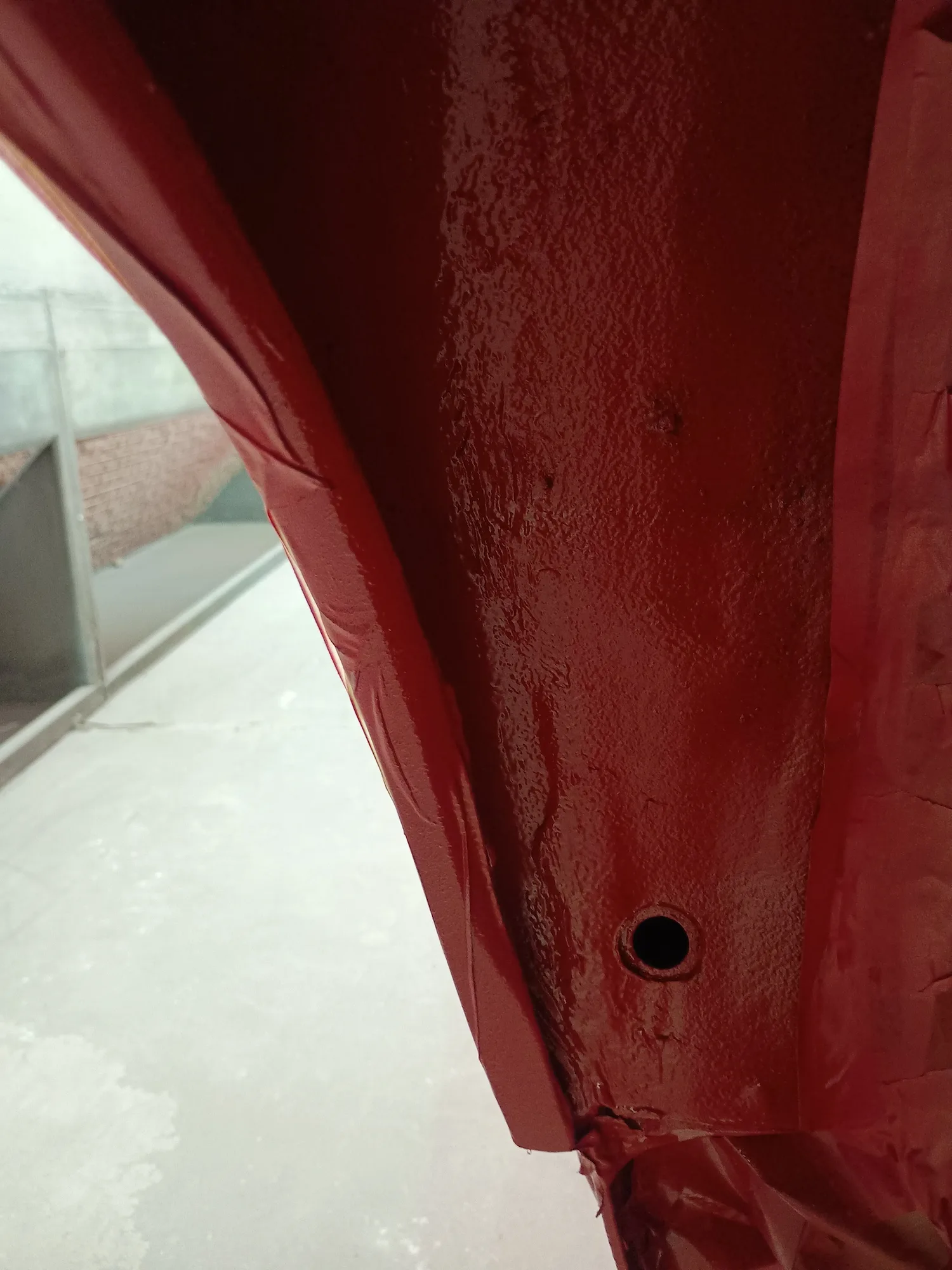
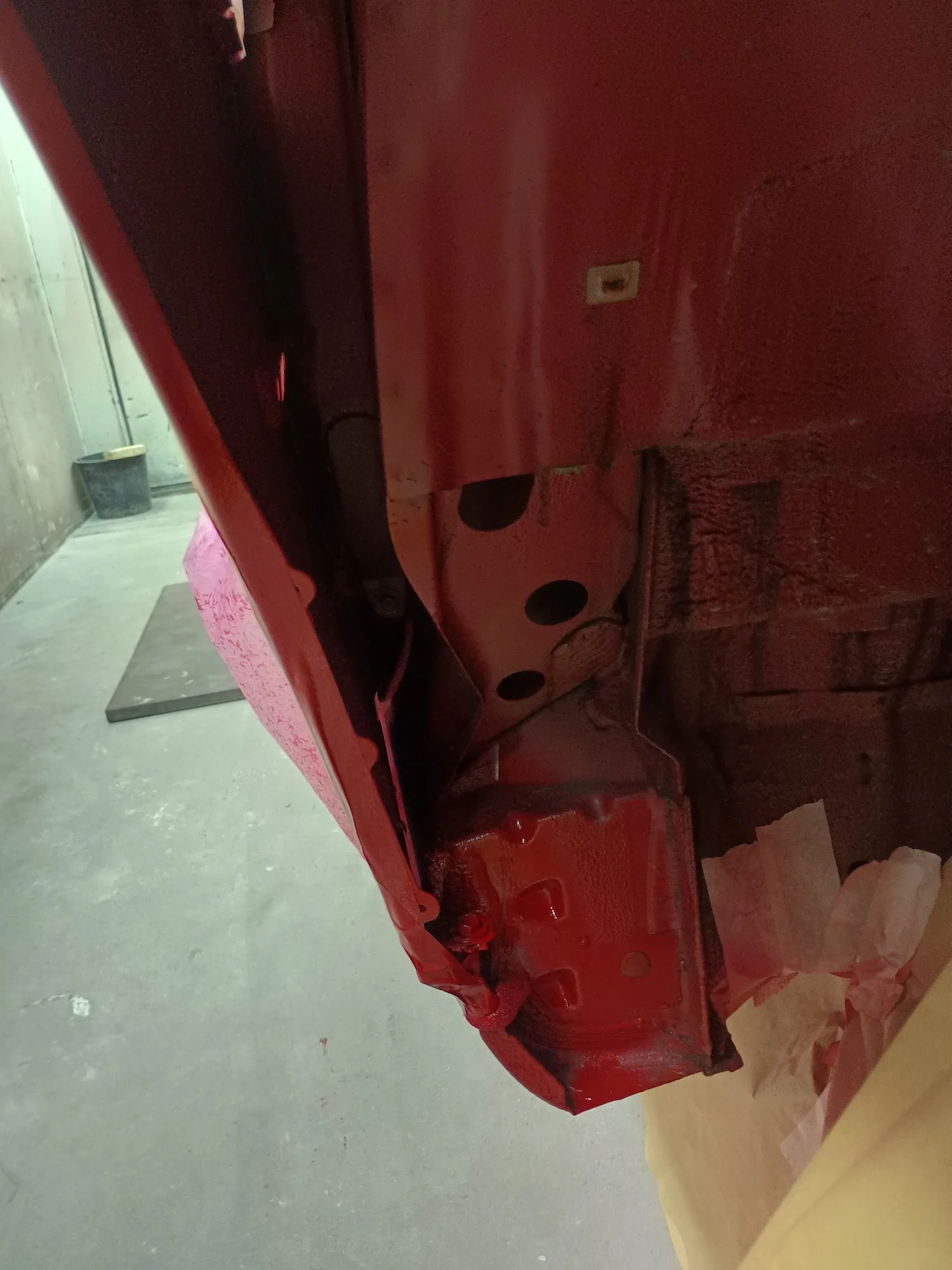
17th June 2026: All wheel arches had areas of corrosion, so fabrication repairs were carried out. All paint prep work has been finished, and the repaired areas of the car are now ready for final paint. Sealant and stone chip will be applied to the underside and all four arches.
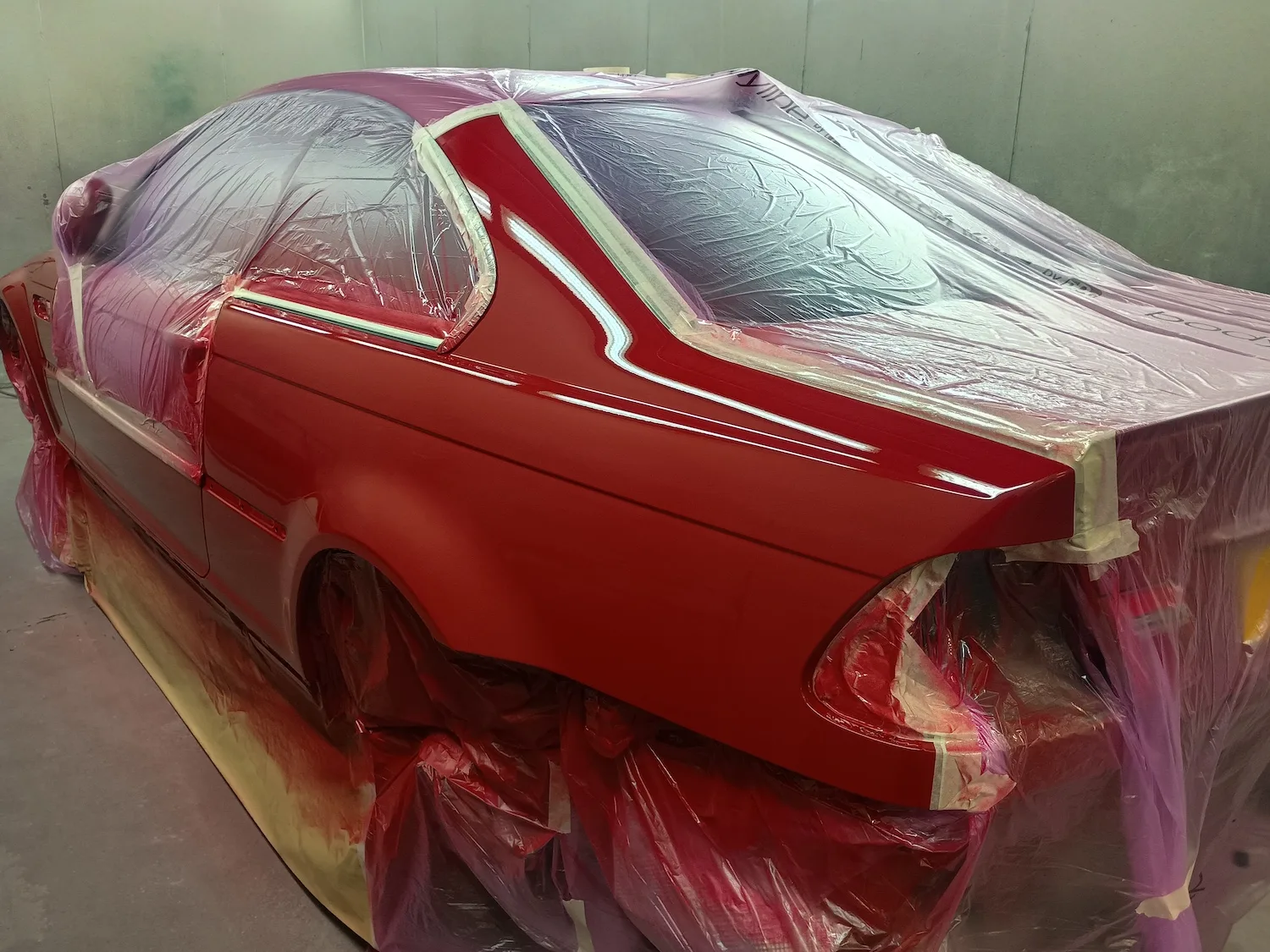
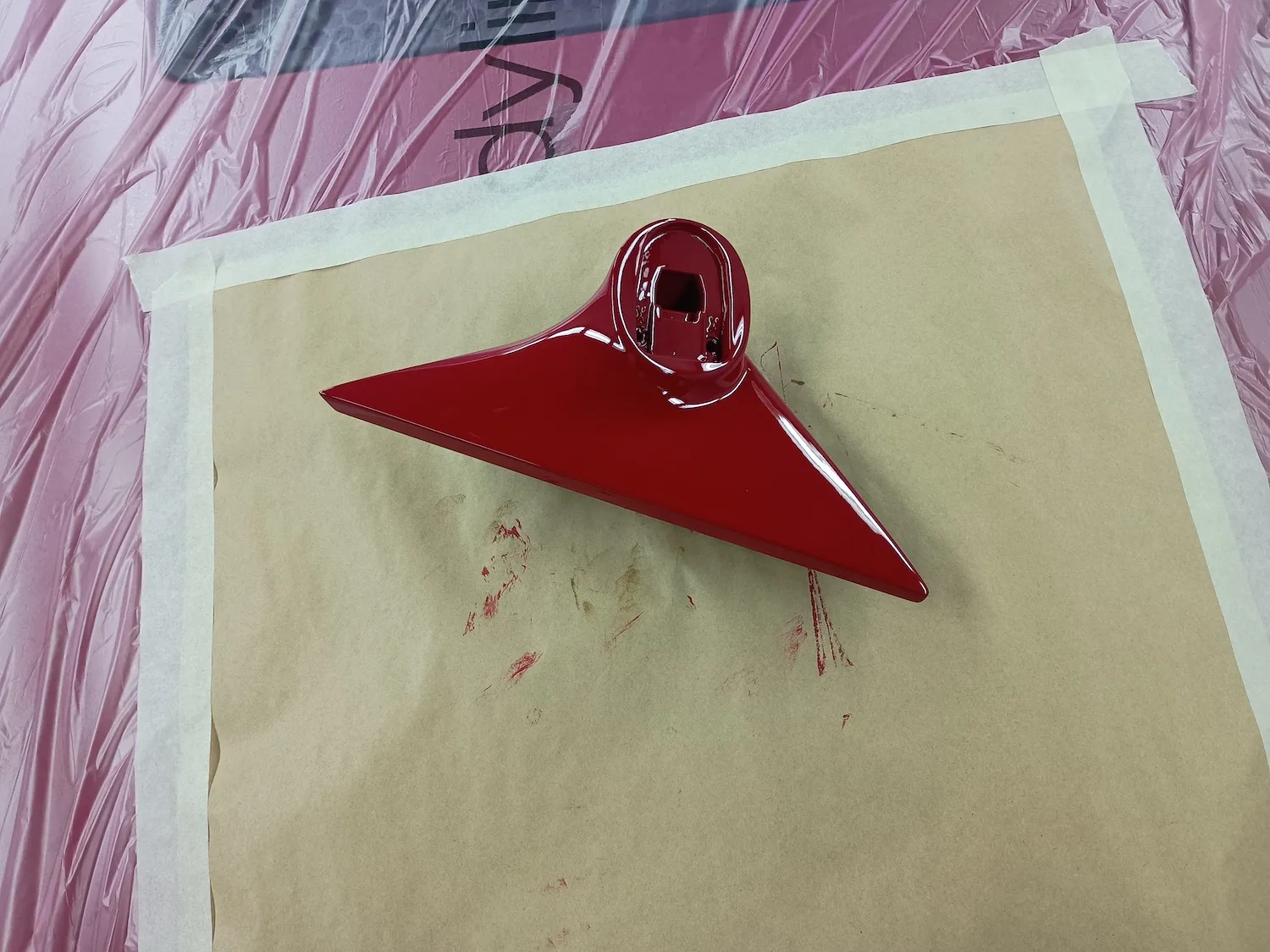
24th July 2026: Repaired areas including wings and sills have had high build primer applied and then the inside arches and sills were sealed. Stonechip applied under all arches and lower sill areas then painted in red. The outer car was then painted in red base coat and clearcoat.
The 2005 BMW M3 was part of the E46 generation, which is widely regarded as one of the most successful and influential M3 models ever produced. The E46 M3 was introduced in 2000 as the high-performance version of the standard 3 Series coupé and convertible, succeeding the E36 M3.
Development of the E46 M3 focused on combining everyday usability with genuine sports car performance. BMW’s M division equipped the car with a specially developed 3.2-litre naturally aspirated straight-six engine known as the S54. This engine produced 343 bhp in European specification and featured individual throttle bodies, double VANOS variable valve timing, and a high-revving character with a redline approaching 8,000 rpm.
By 2005, the E46 M3 was nearing the end of its production life, having established a strong reputation among enthusiasts and motoring journalists. Buyers could choose between a six-speed manual gearbox or BMW’s six-speed Sequential Manual Gearbox (SMG II), an automated manual transmission designed to provide faster gear changes than a conventional manual.
The 2005 model was available as both a coupé and a convertible. Standard equipment generally included sports seats, climate control, alloy wheels, stability control, and a range of luxury features expected from a premium performance car of the period.
One of the most significant developments during the E46 M3’s lifespan was the introduction of the M3 CSL in 2003. Although the CSL was a separate, limited-production variant, it influenced the perception of the standard M3 by highlighting the chassis and engine capabilities of the platform. The CSL featured reduced weight, increased power, and extensive use of carbon-fibre components.
The E46 M3 gained acclaim for its balanced rear-wheel-drive chassis, precise steering, strong braking performance, and engaging driving experience. Contemporary reviews frequently praised its ability to function as both a comfortable daily driver and a capable track car.
Production of the standard E46 M3 continued until 2006, after which it was replaced by the E92-generation M3. The successor introduced a 4.0-litre V8 engine, marking a significant departure from the straight-six layout that had characterised previous M3 models.
Today, the 2005 BMW M3 is considered a modern classic. Enthusiasts value it for its naturally aspirated engine, analogue driving feel, and relatively simple mechanical design compared with newer performance cars. Well-maintained examples are increasingly sought after in the collector car market, and the E46 generation remains one of the most celebrated chapters in the history of the BMW M3.




Are you ready to start your restoration journey with us?
St Helen Way
St Helen Industrial Estate
Bishop Auckland
DL14 9AZ
Tel: 01833 630 011 / Mob: 07973 616 478

By signing up, you agree to the Carrosserie Privacy Policy