

Sign up to stay informed about our latest restoration projects, industry news and more
By signing up, you agree to the Carrosserie Privacy Policy
Start your restoration journey with us today
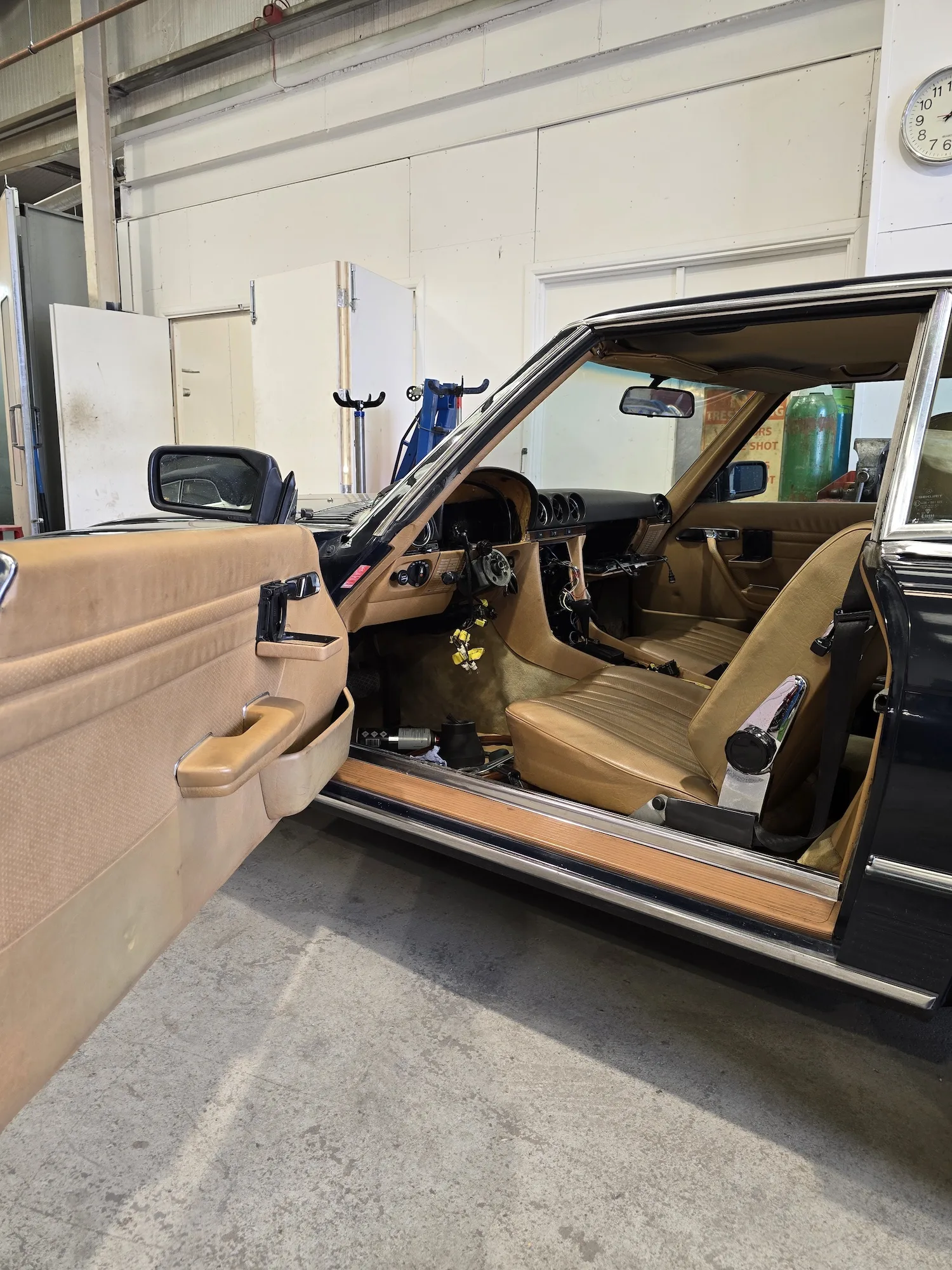
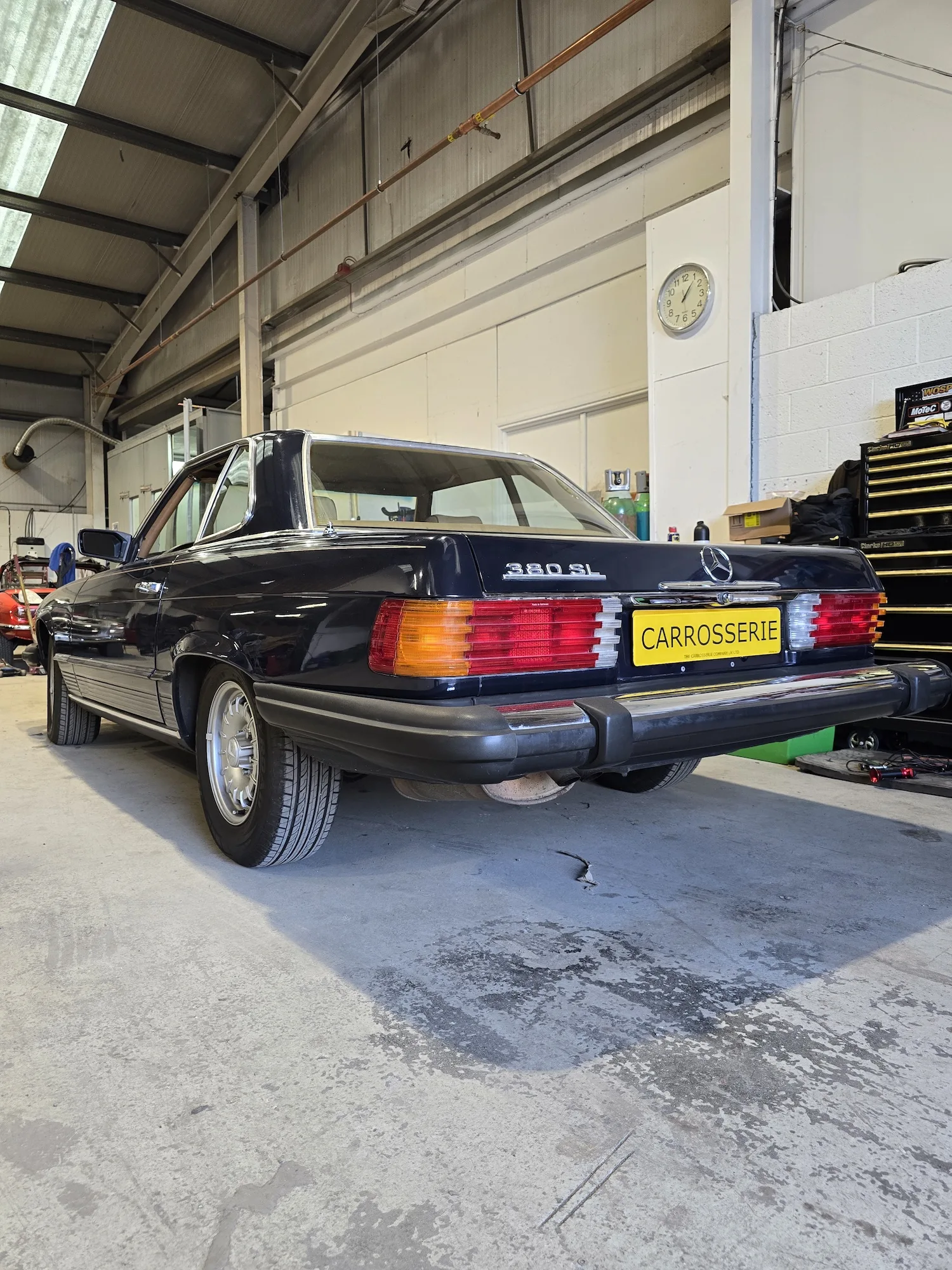
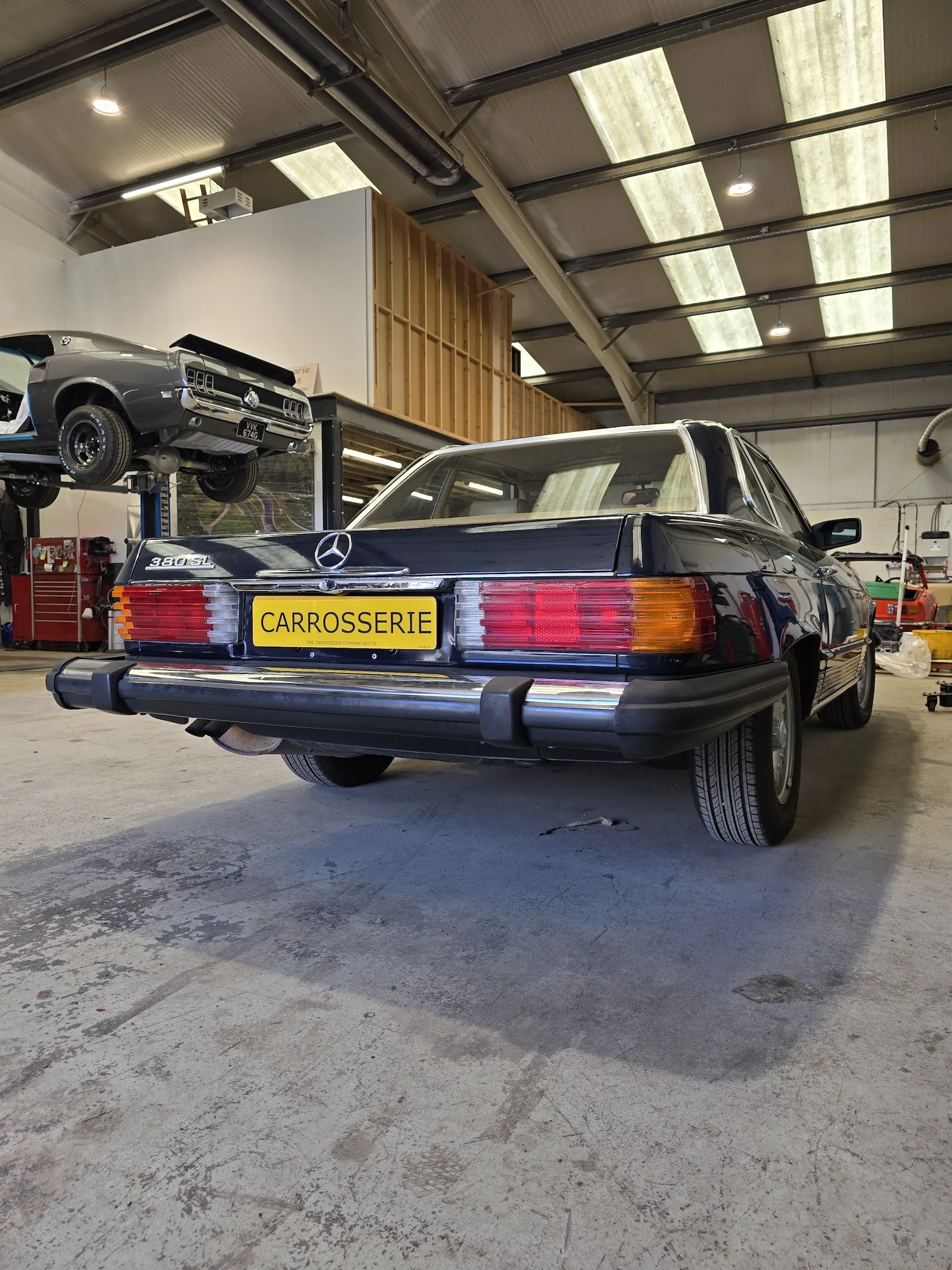
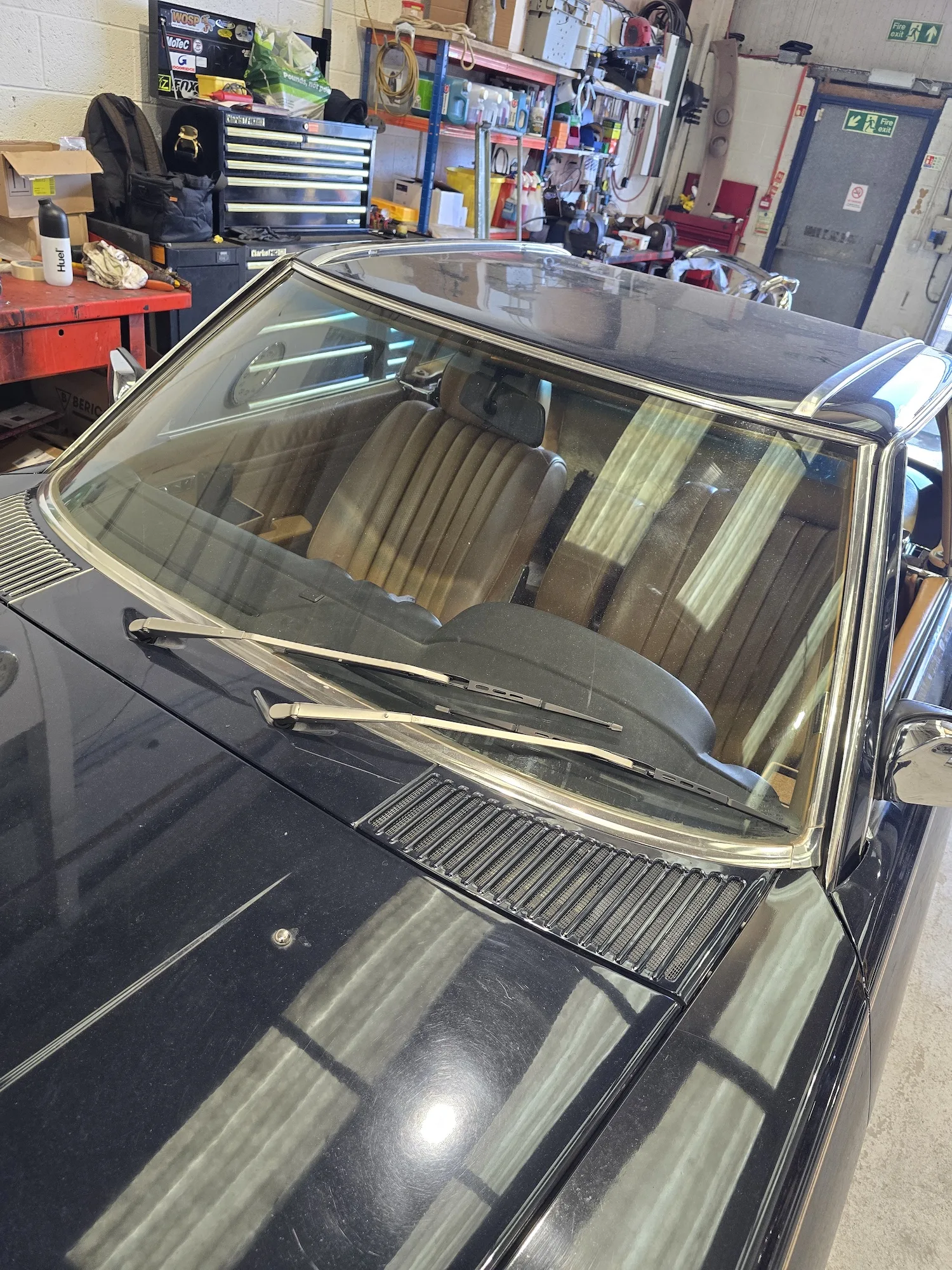
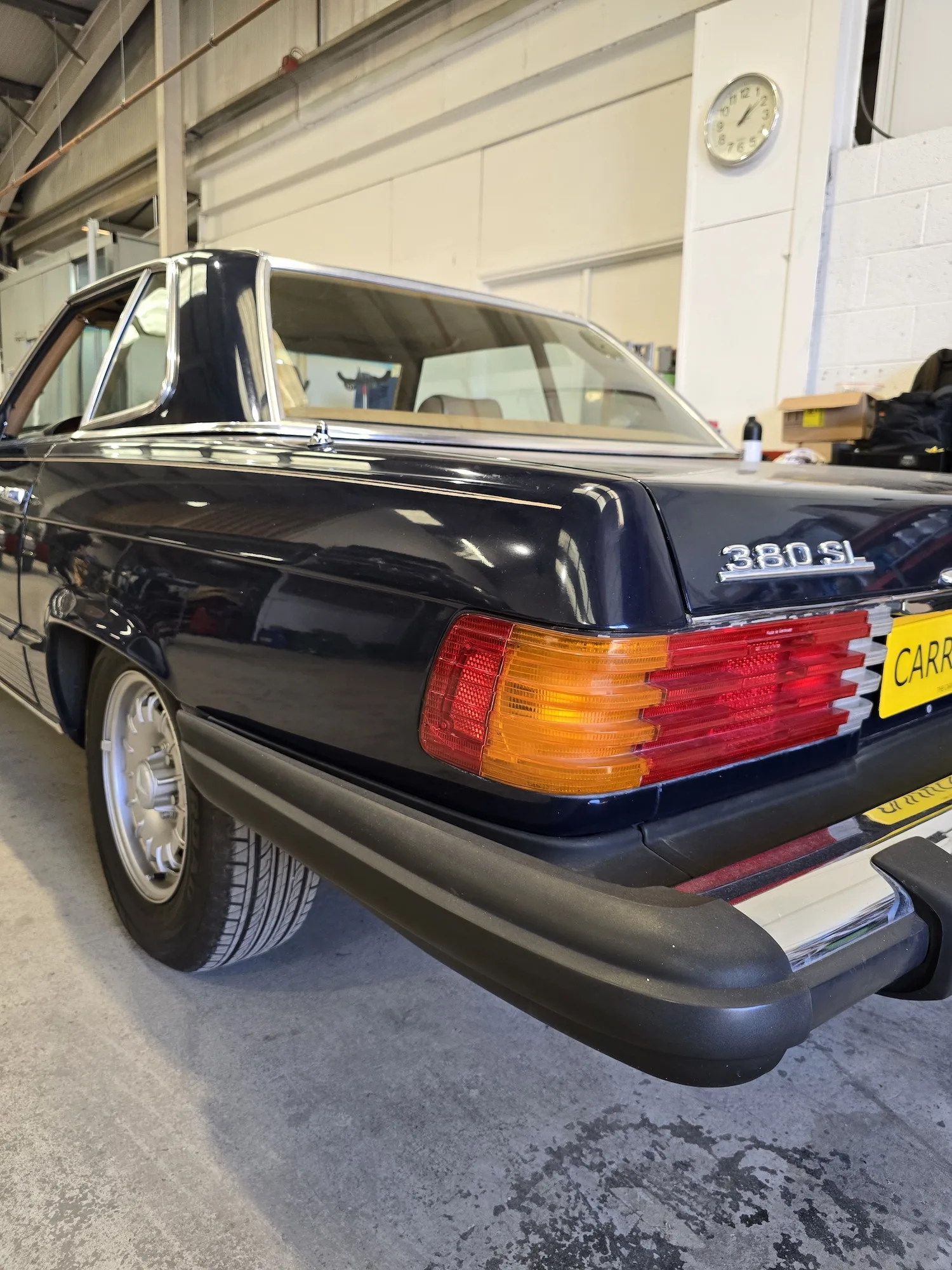
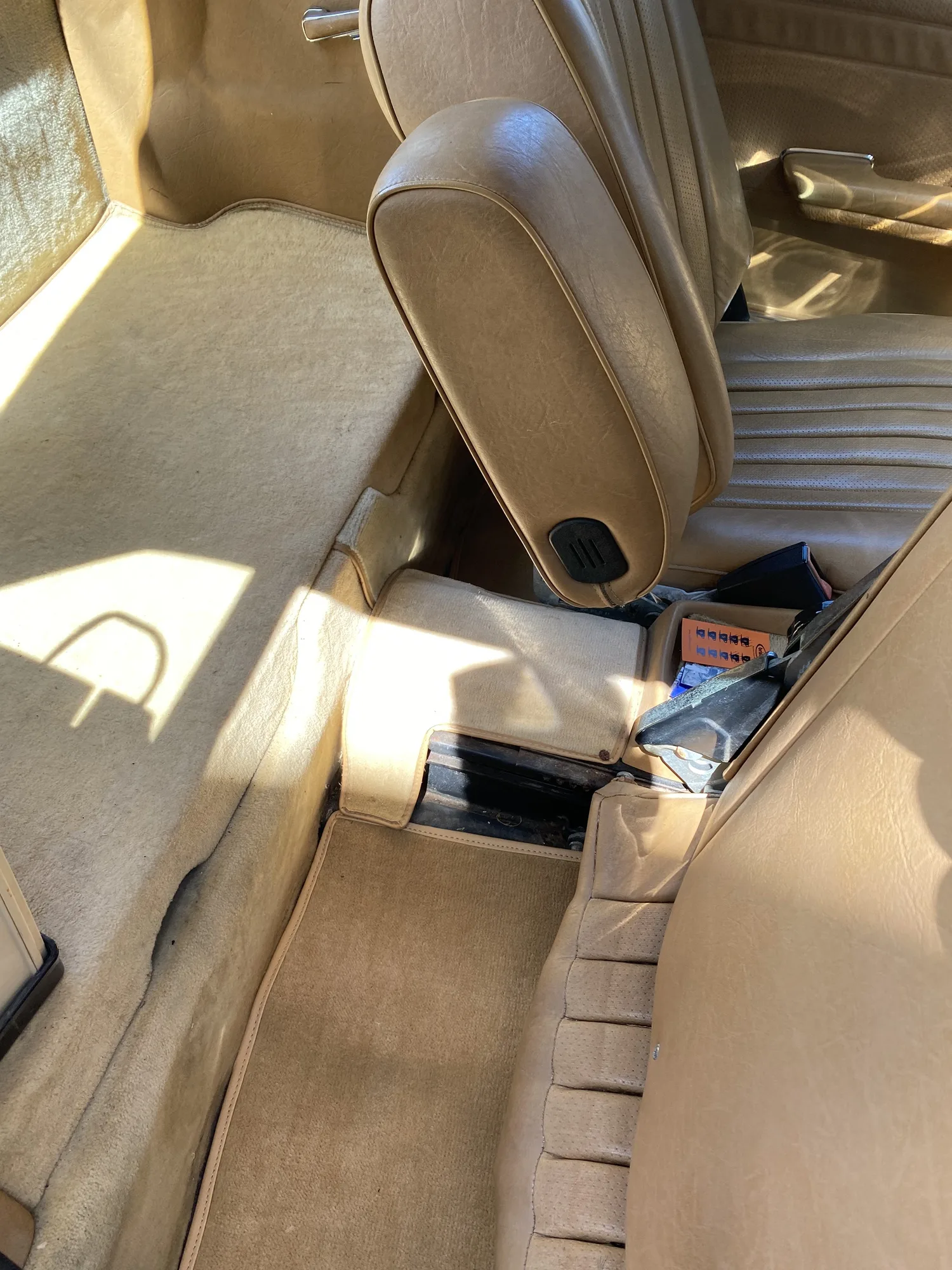
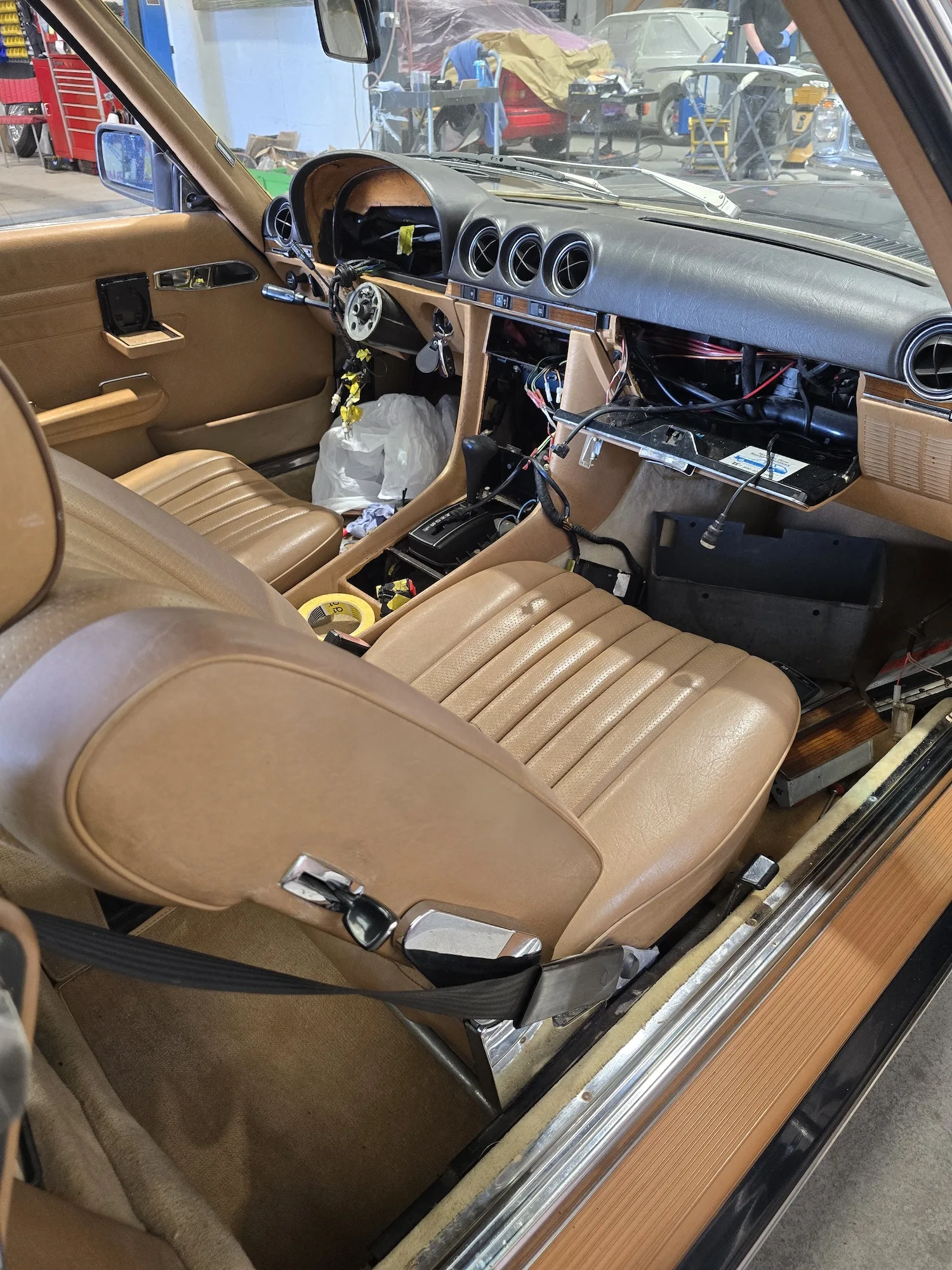
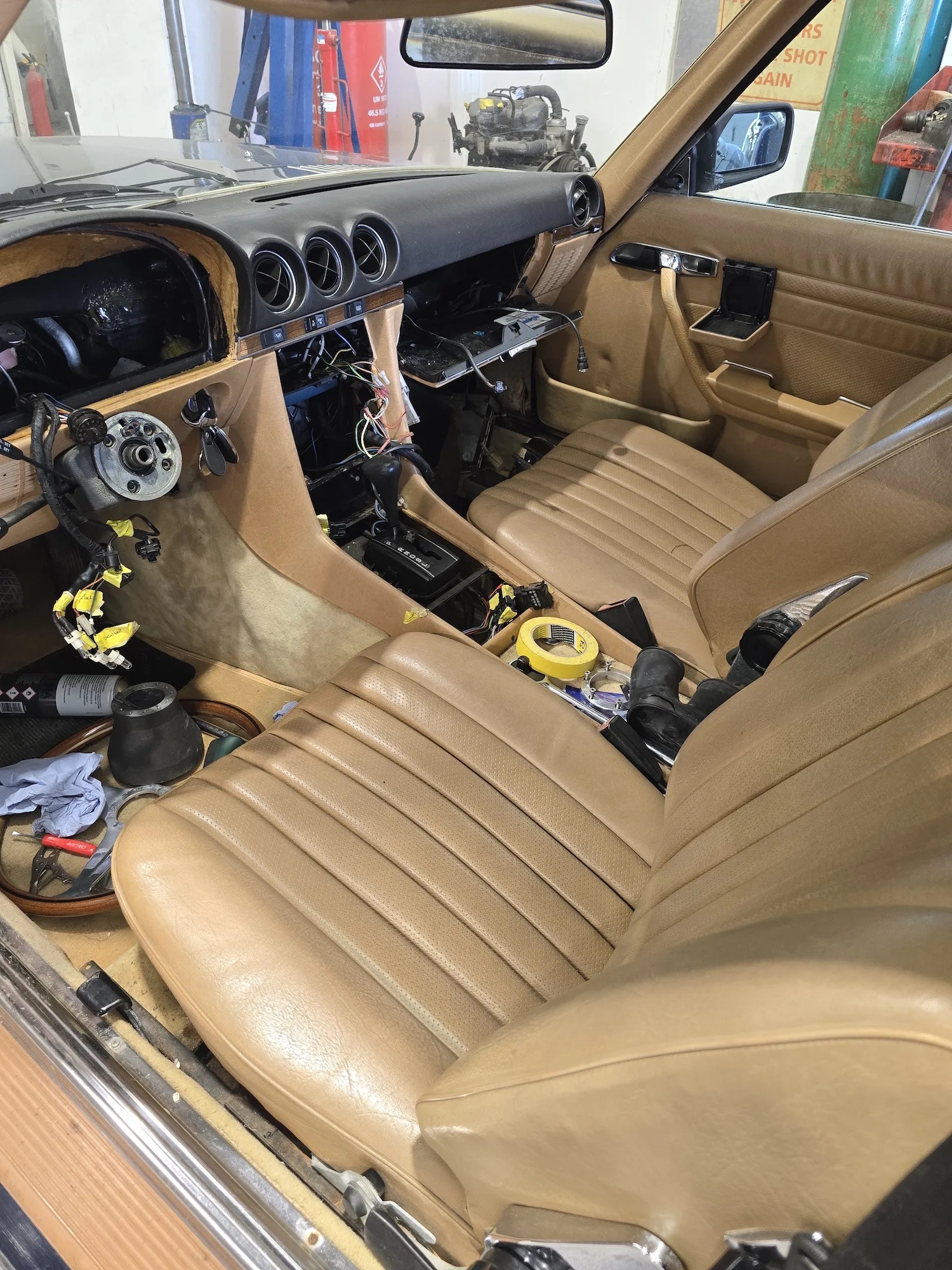
17th June 2026: Issues found with idle control and lower gears. There are also multiple electrical faults including dipped beam, indicators, fan and display lights not working, so all will be looked at.
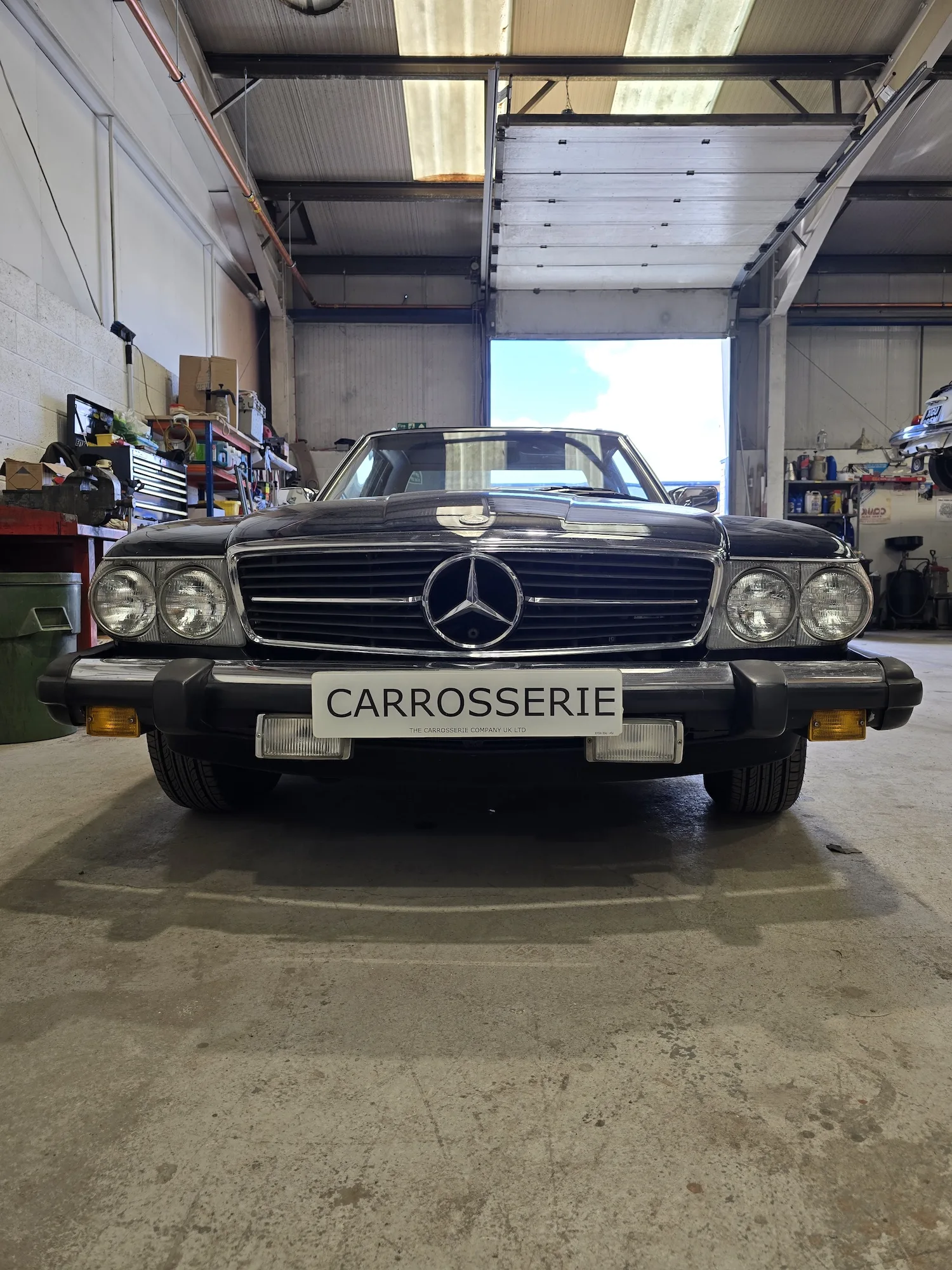
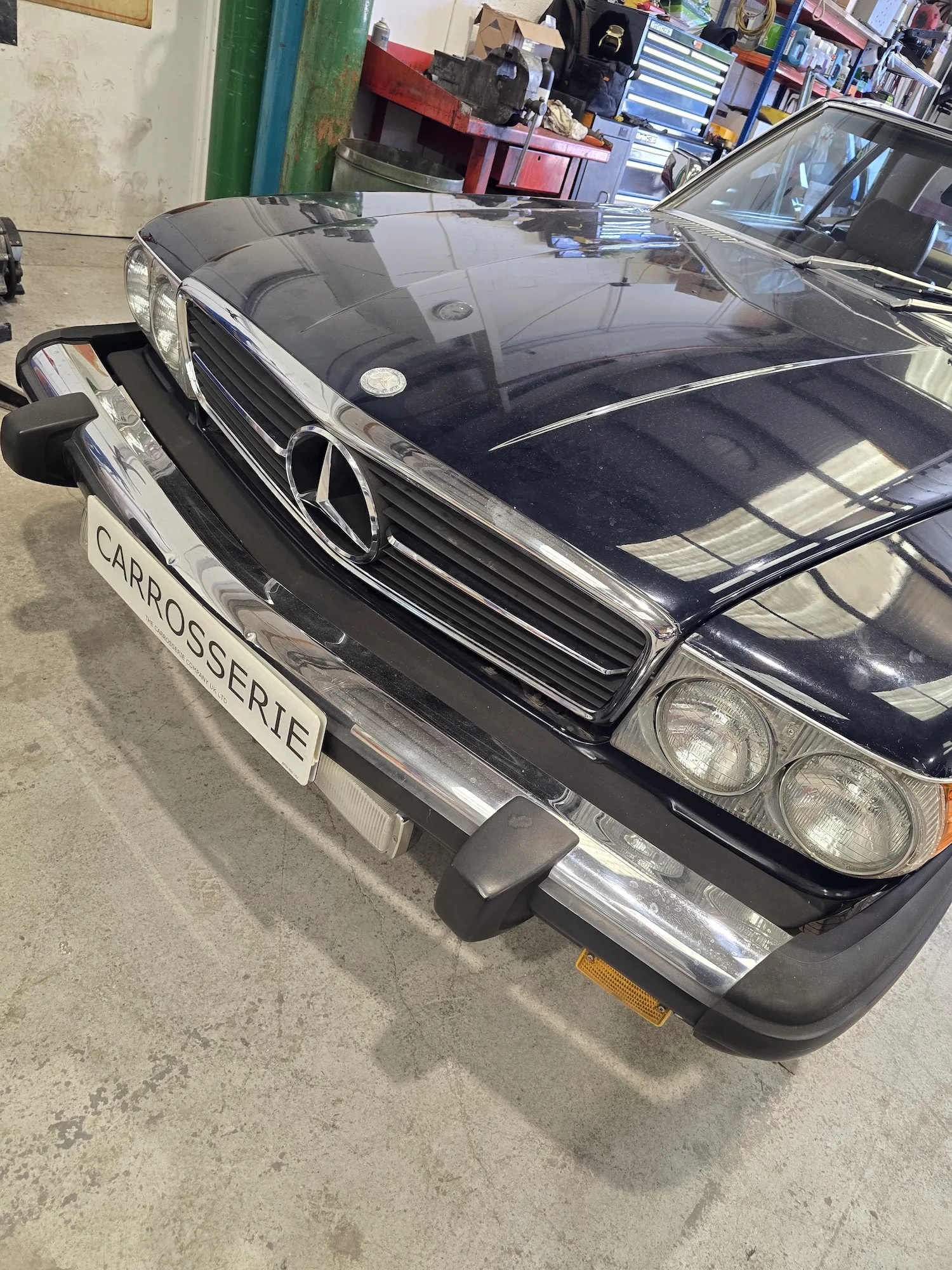
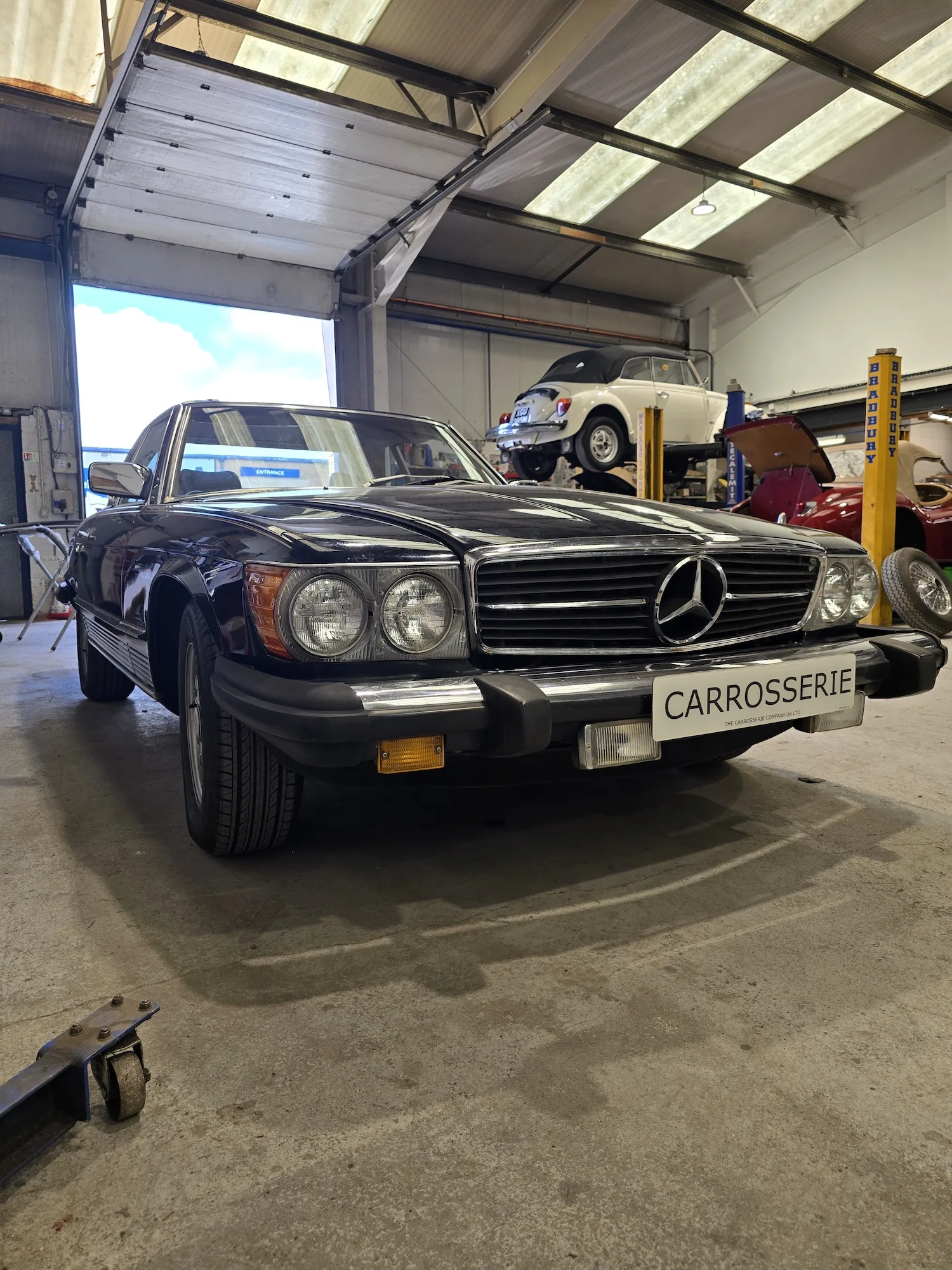
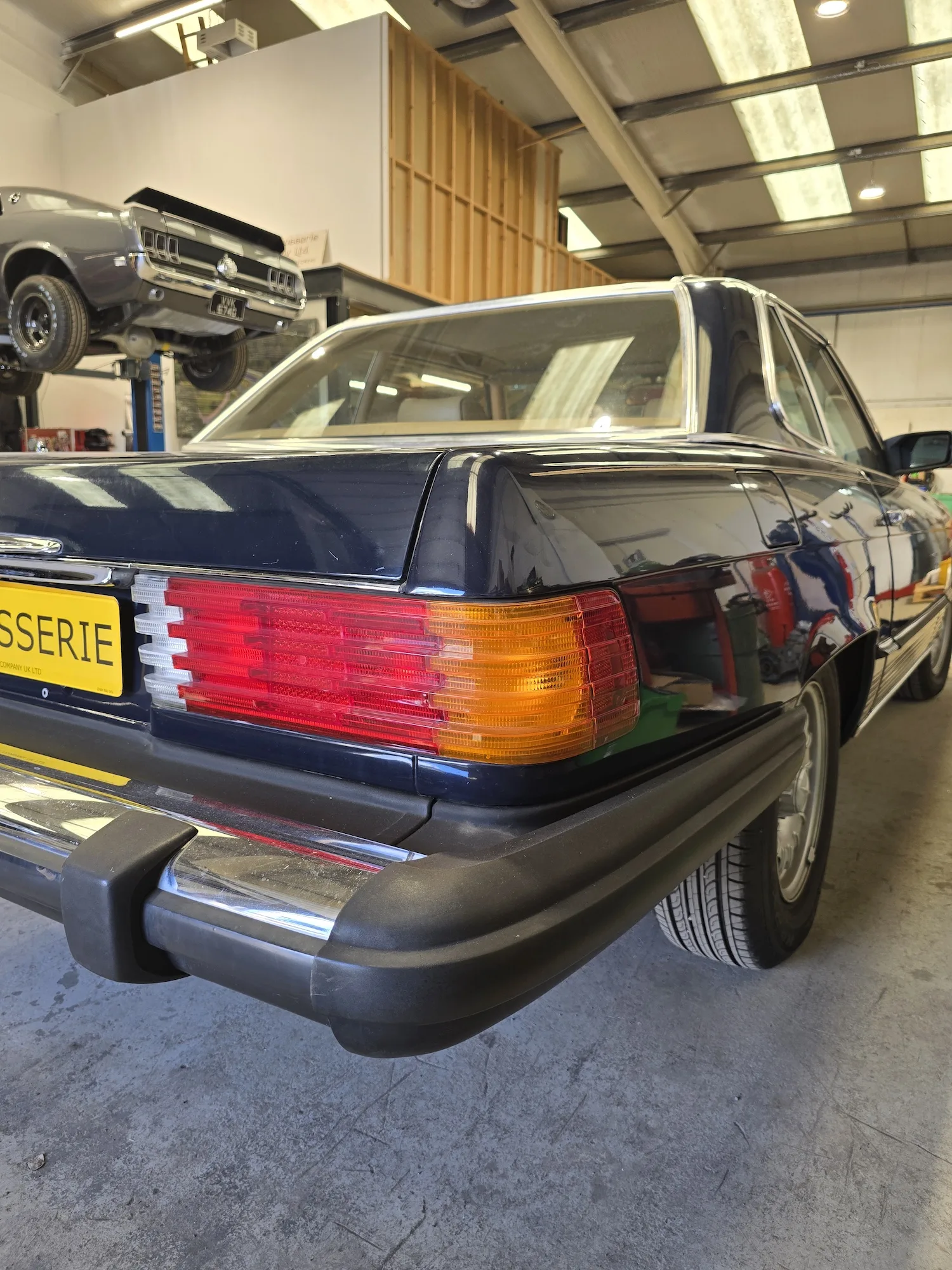
The 1982 Mercedes-Benz 380SL was part of the R107 series, one of the longest-running and most successful roadster ranges in the company’s history. Introduced in 1971, the R107 SL was designed to combine luxury, comfort, safety, and grand touring performance, replacing the W113 “Pagoda” SL models.
The 380SL was introduced in 1980 as a replacement for the earlier 450SL in many markets. It was powered by a 3.8-litre V8 engine from Mercedes-Benz’s M116 engine family. The engine was paired with a four-speed automatic transmission and provided smooth, refined performance suited to long-distance touring rather than outright sports car driving.
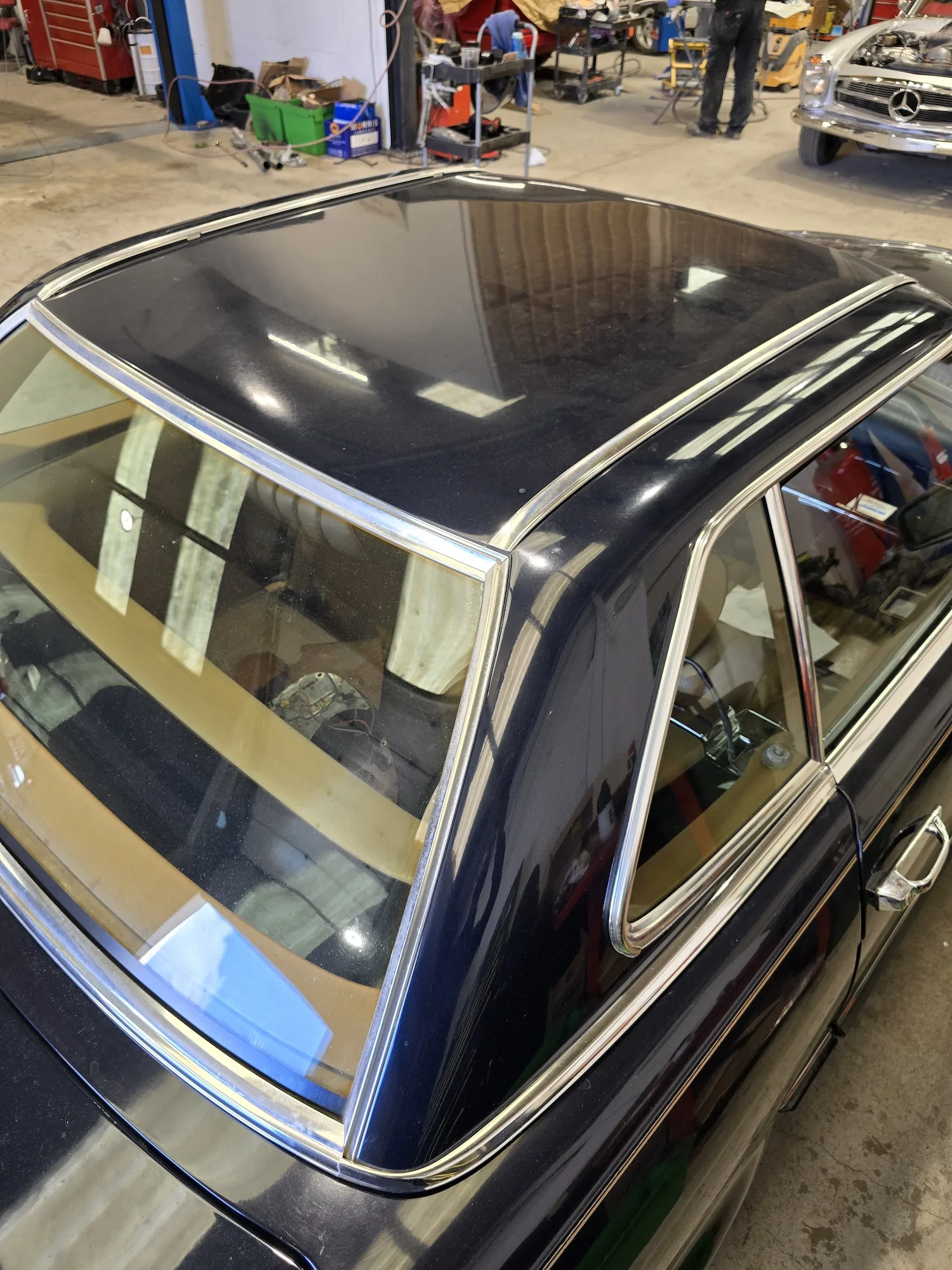
By 1982, the 380SL represented the middle years of the R107’s production run. The model featured the distinctive styling that had become synonymous with the SL range, including a long bonnet, short rear deck, and a substantial passenger safety cell. The car was available with a folding fabric hood and was typically supplied with a removable body-coloured hardtop, allowing owners to enjoy both open-top motoring and year-round practicality.
Safety was a major focus during the development of the R107 series. The 380SL incorporated numerous safety features that were advanced for the period, including reinforced body structures, carefully designed crumple zones, and improved occupant protection measures. These engineering priorities helped establish Mercedes-Benz’s reputation for building durable and secure vehicles.
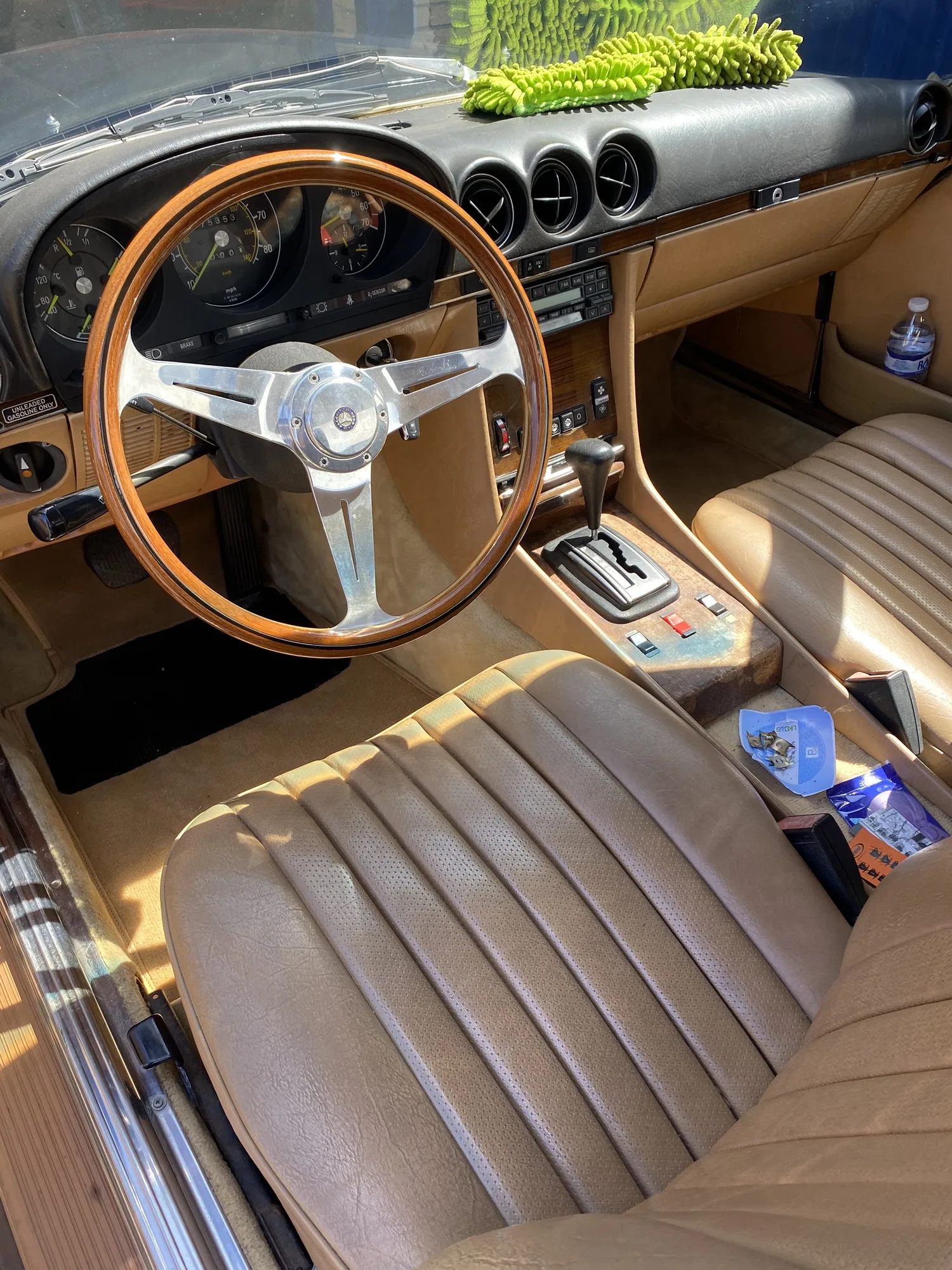
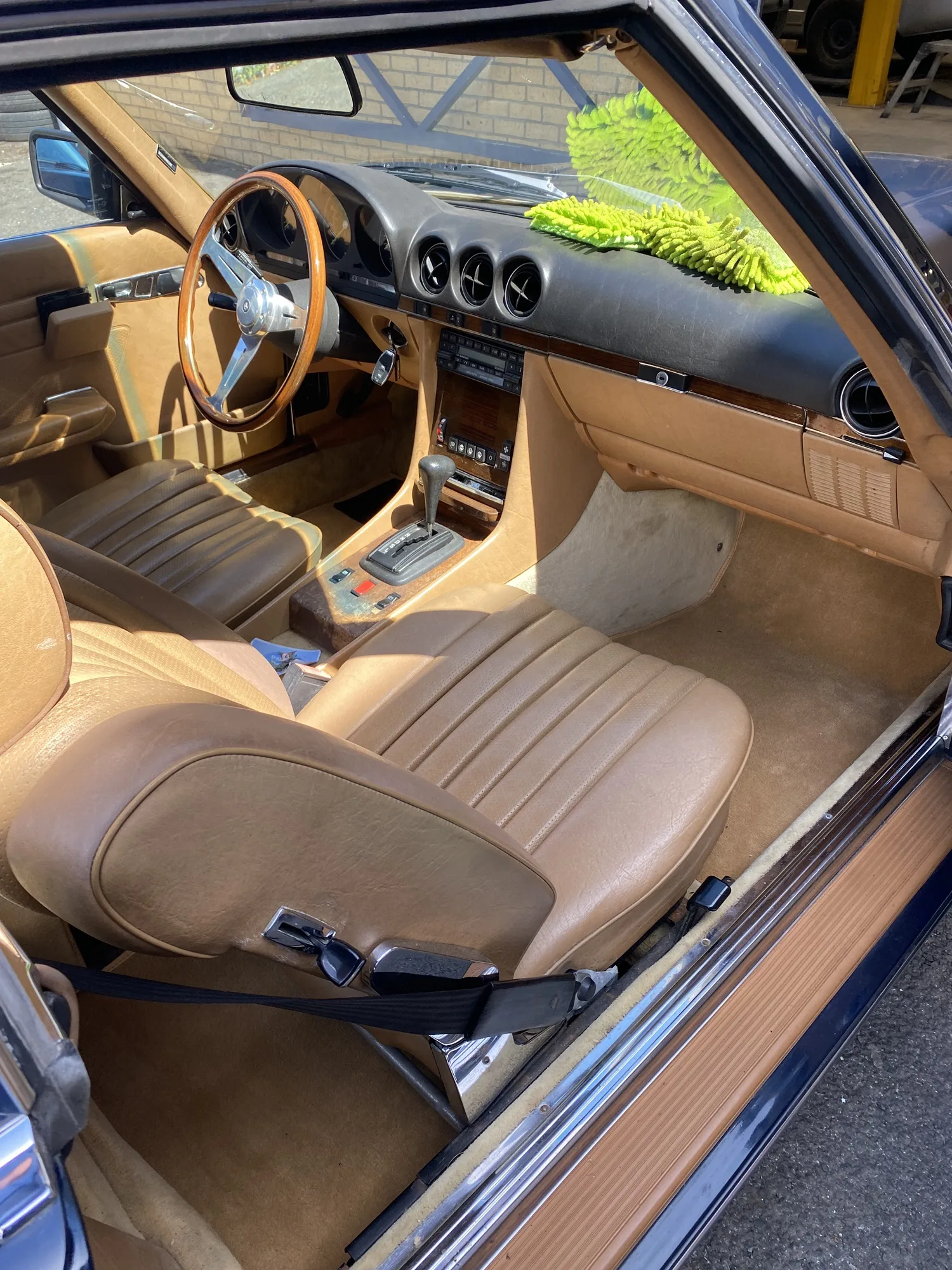
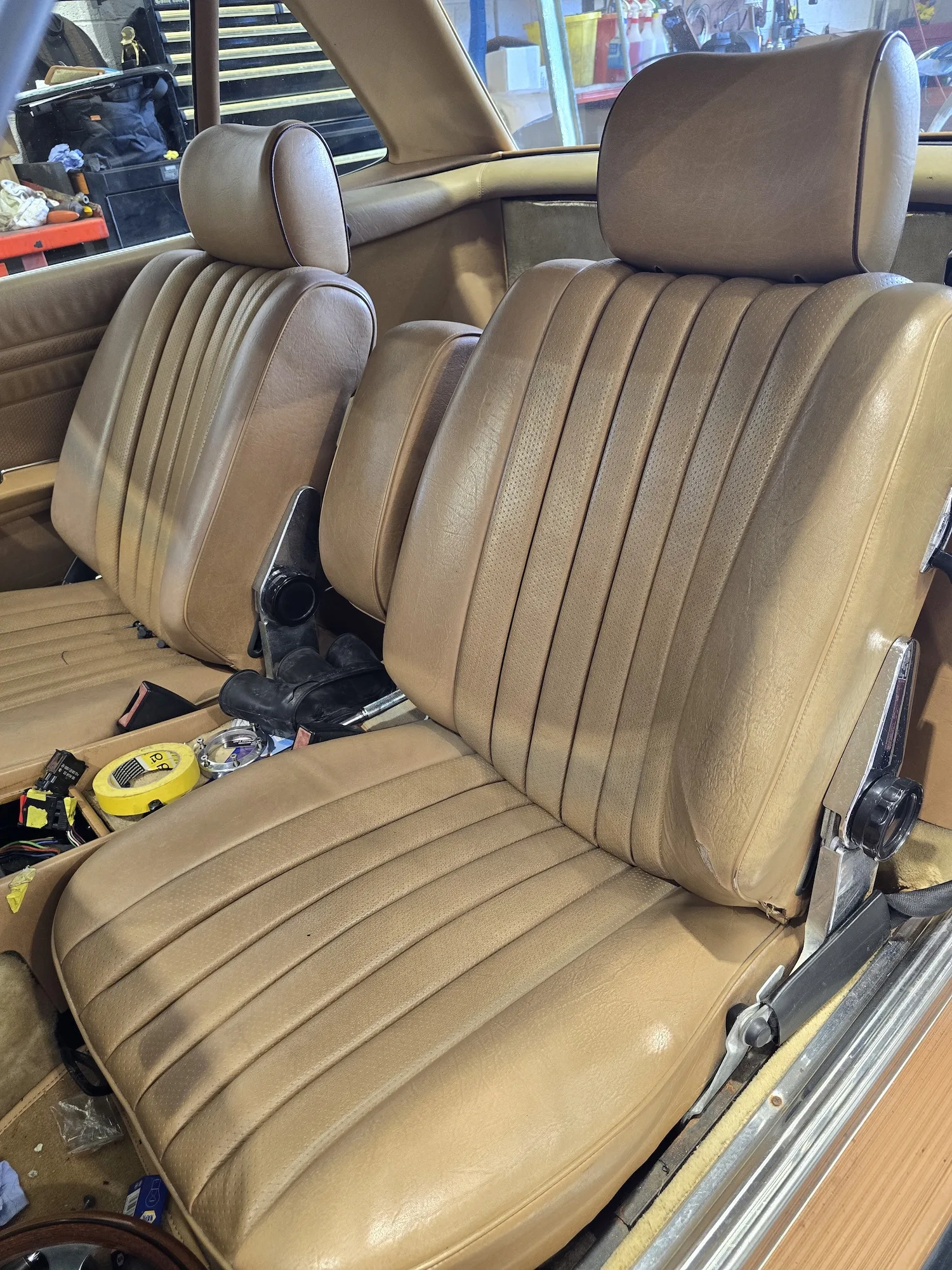
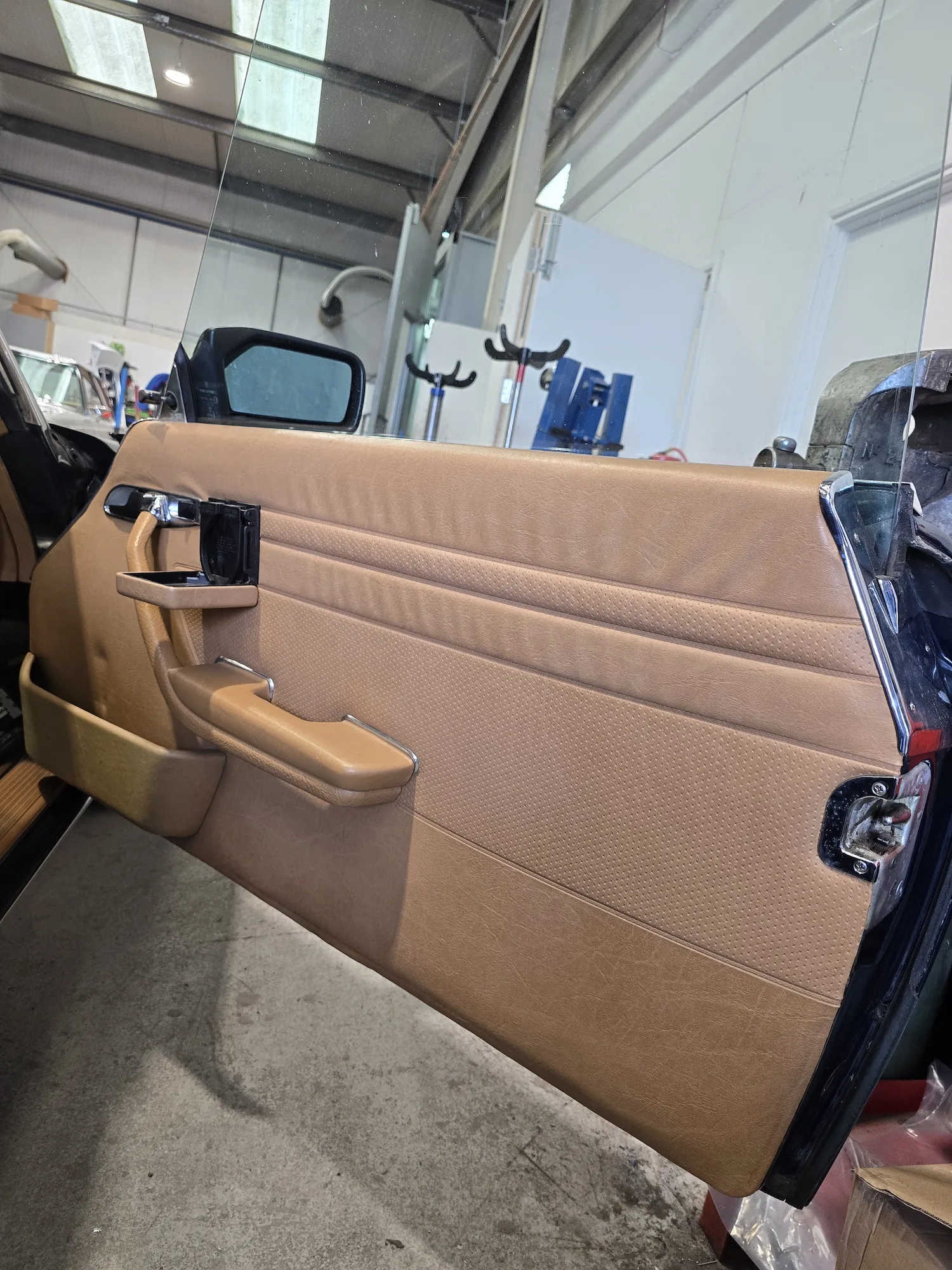
The interior of the 1982 380SL reflected the company’s emphasis on luxury and quality. High-quality materials, supportive seats, comprehensive instrumentation, and excellent build standards contributed to a comfortable driving environment. Air conditioning, electric windows, and leather upholstery were common features, depending on market and specification.
During the early 1980s, emissions regulations and fuel economy concerns influenced vehicle design and engine tuning, particularly in North America. As a result, power outputs varied between markets. European-specification cars generally offered higher performance than their North American counterparts due to differences in emissions equipment and engine calibration.
The 380SL earned a reputation for reliability, comfort, and solid engineering. It appealed to buyers seeking a prestigious open-top grand tourer capable of covering long distances with ease. Unlike many contemporary sports cars, the emphasis was on refinement and durability rather than aggressive performance.
The R107 series remained in production until 1989, making it one of the longest-produced passenger car platforms in Mercedes-Benz history. The 380SL itself was eventually succeeded by the 420SL and 500SL in several markets as the range evolved during the 1980s.
Today, the 1982 Mercedes-Benz 380SL is recognised as a classic luxury roadster. Collectors and enthusiasts appreciate its timeless styling, robust engineering, and comfortable touring character. Well-preserved examples remain popular among classic car owners and represent an important chapter in the history of the Mercedes-Benz SL range.





Are you ready to start your restoration journey with us?
St Helen Way
St Helen Industrial Estate
Bishop Auckland
DL14 9AZ
Tel: 01833 630 011 / Mob: 07973 616 478

By signing up, you agree to the Carrosserie Privacy Policy