
Start your restoration journey with us today
5th February 2026: Engine works and wiring have been carried out, including full new wiring loom, water pump, thermostat, alternator, fan belt fitted. Finally, the radiator and engine were flushed and new coolant added.
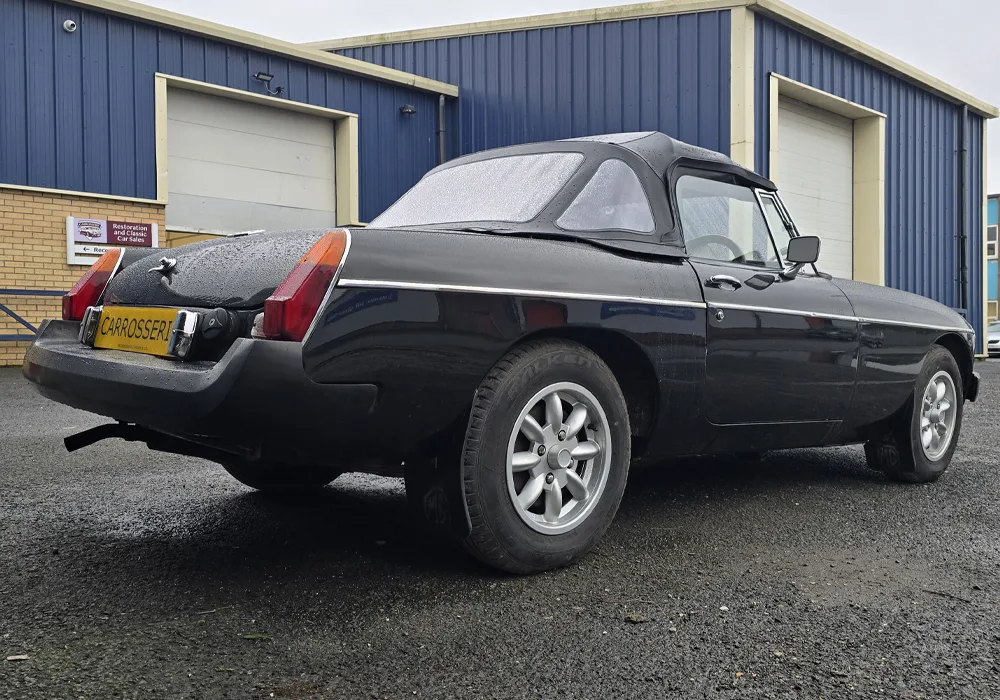
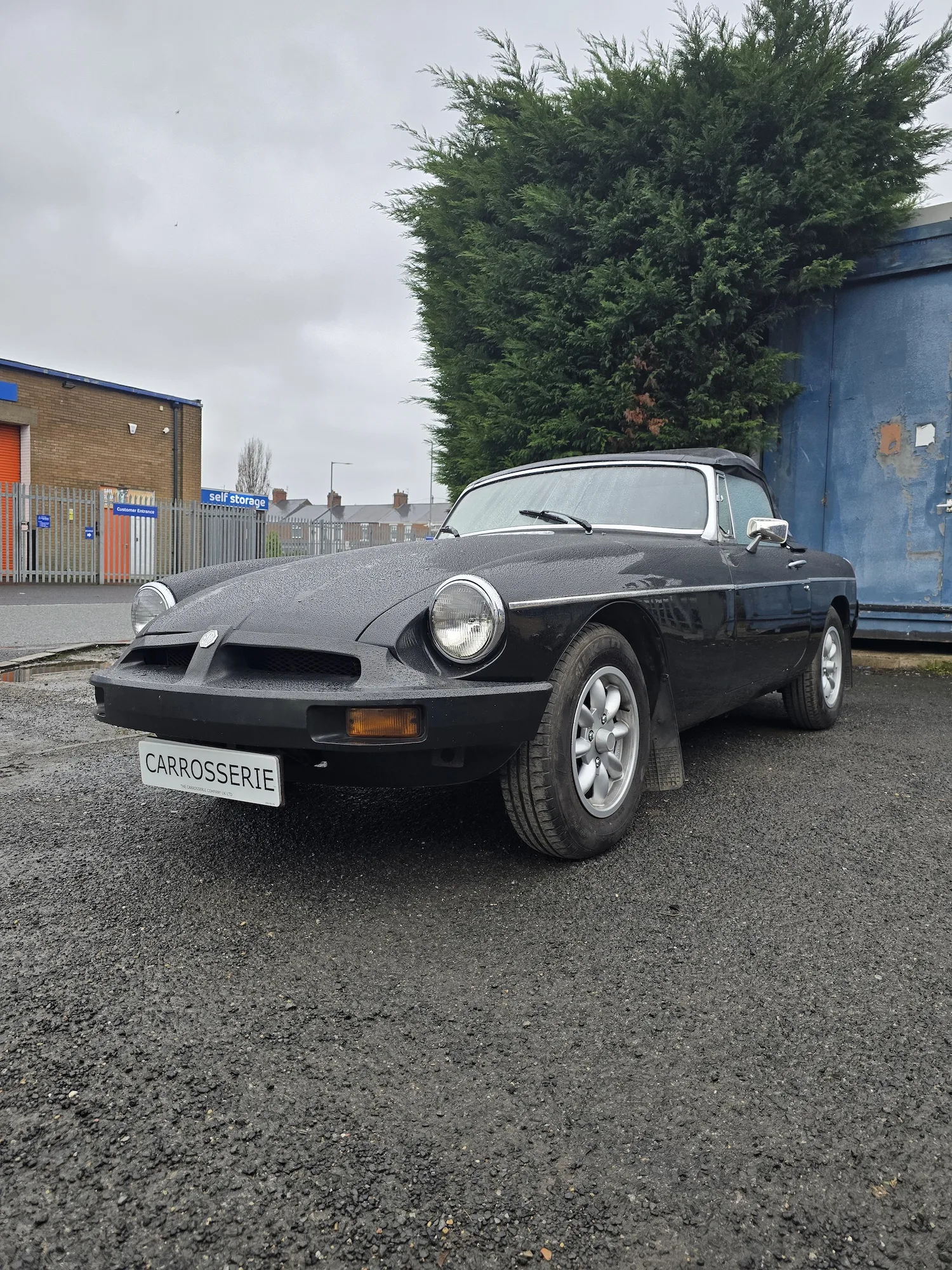
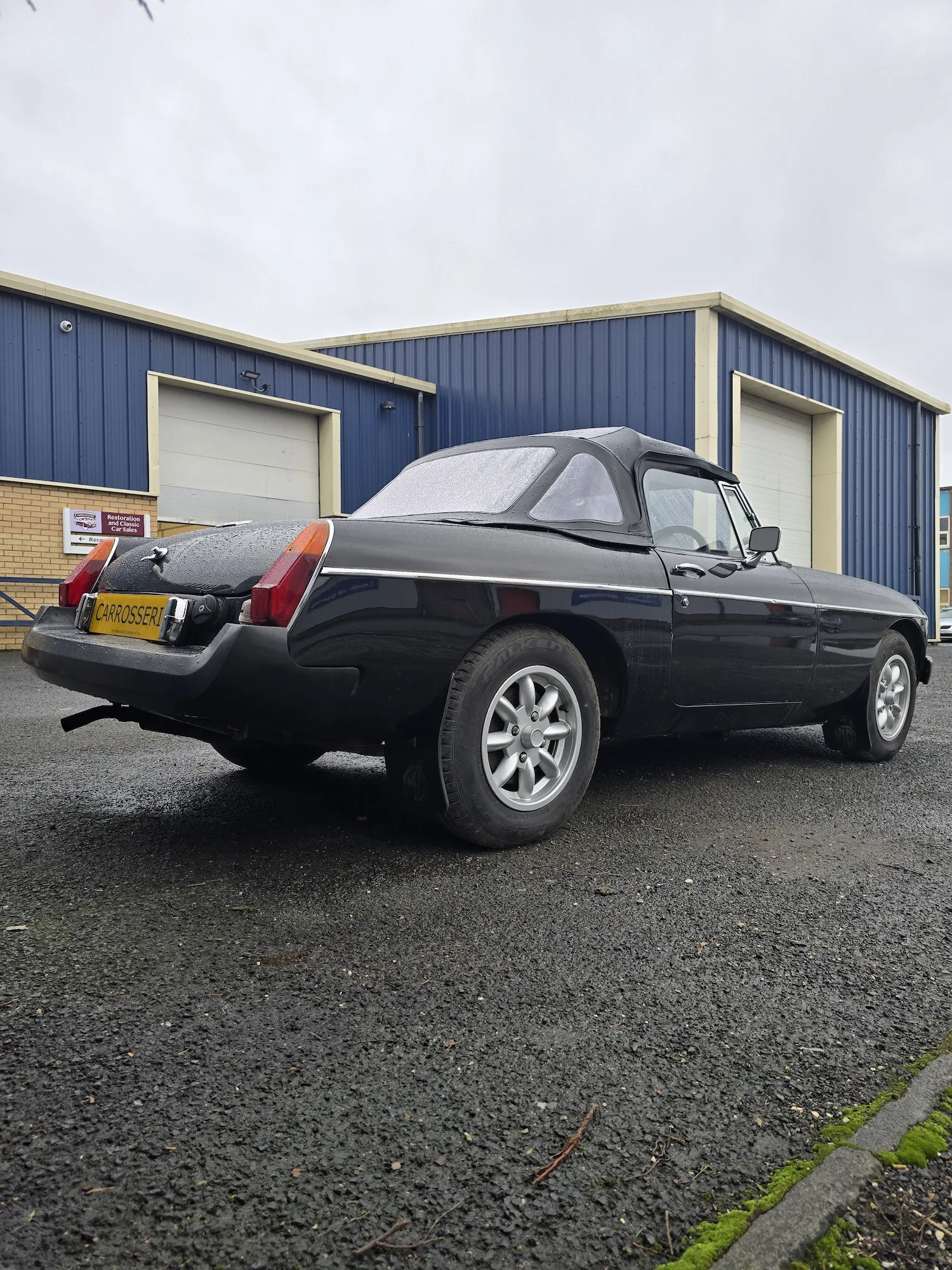
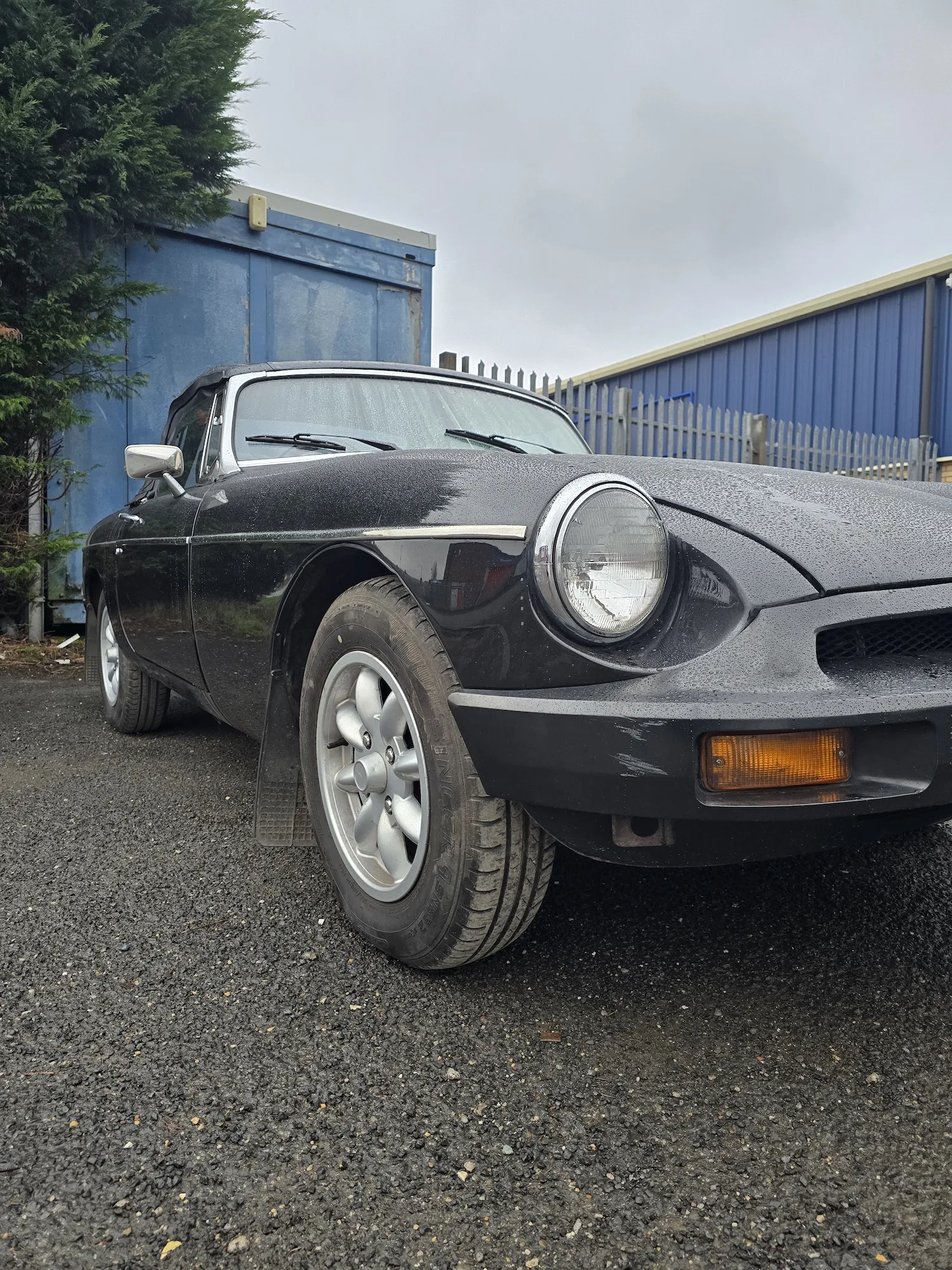
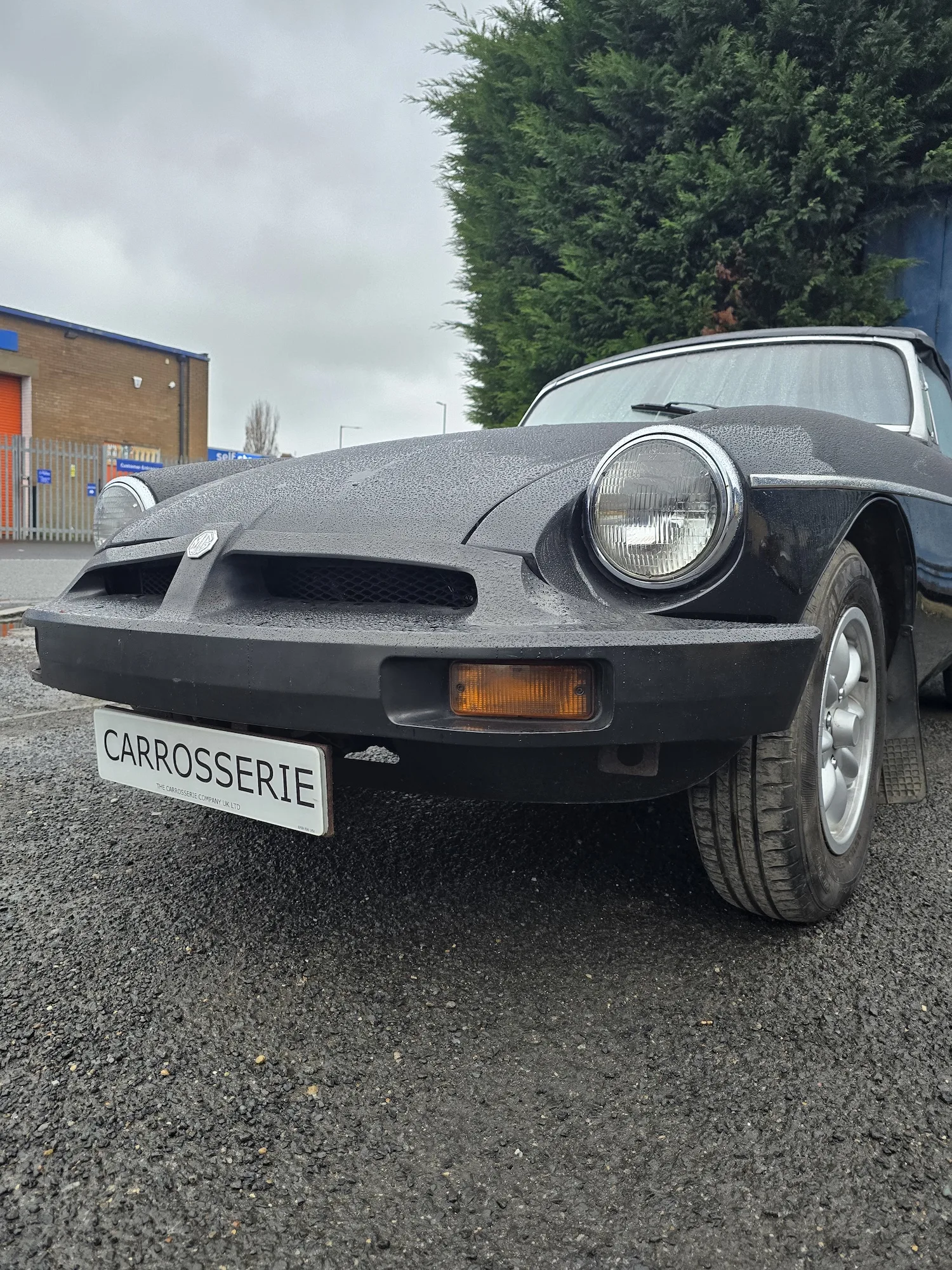
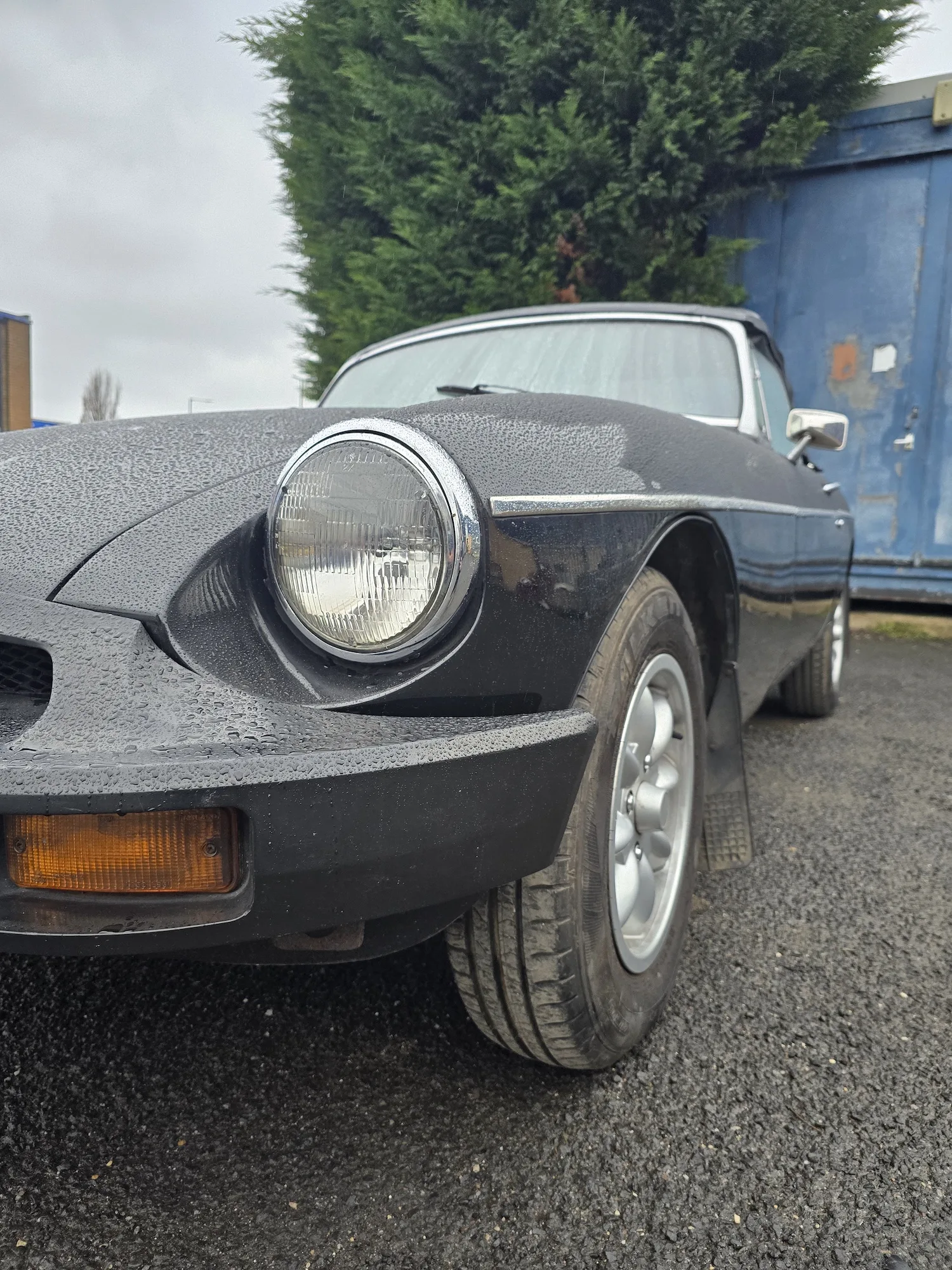
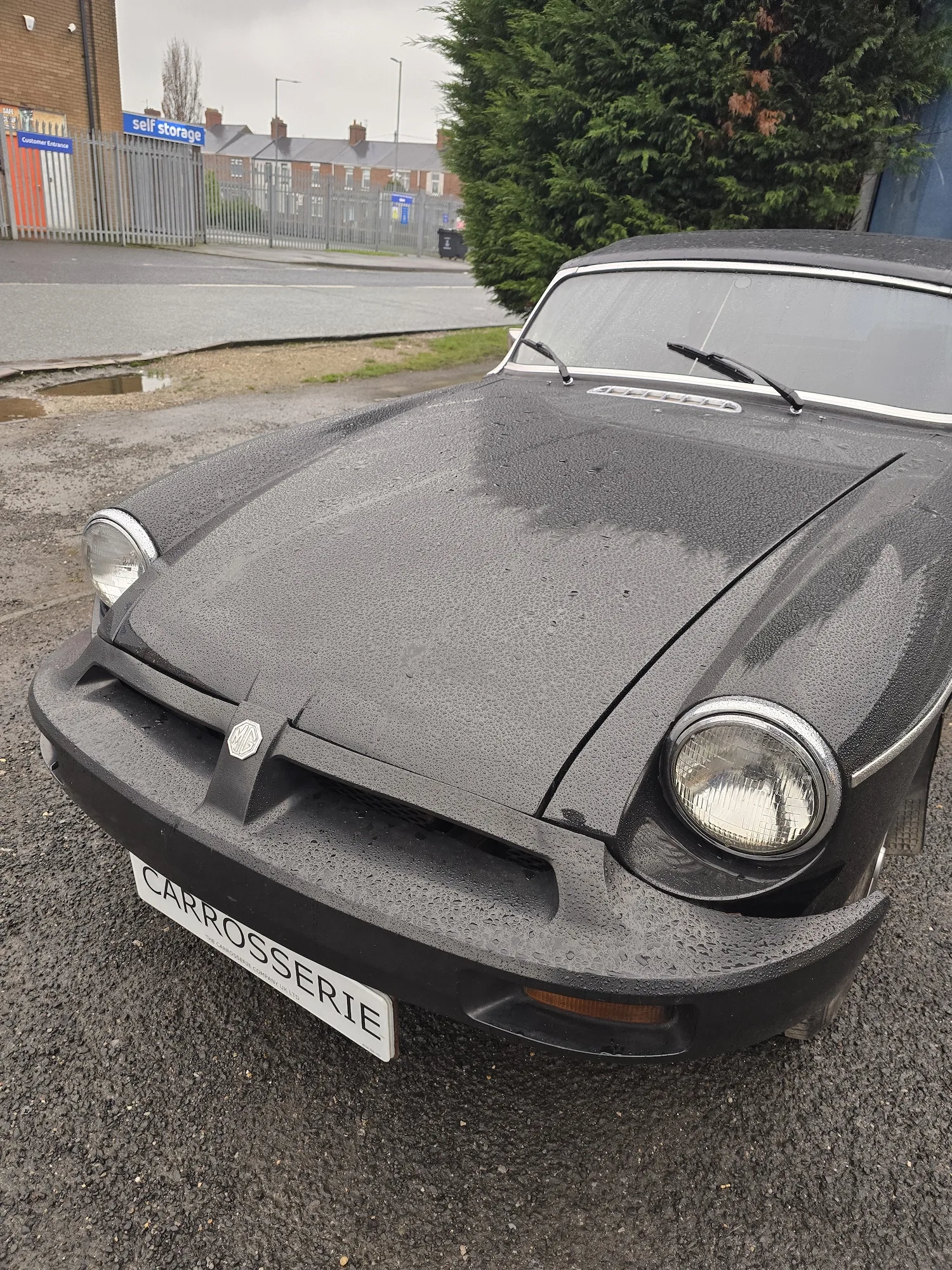
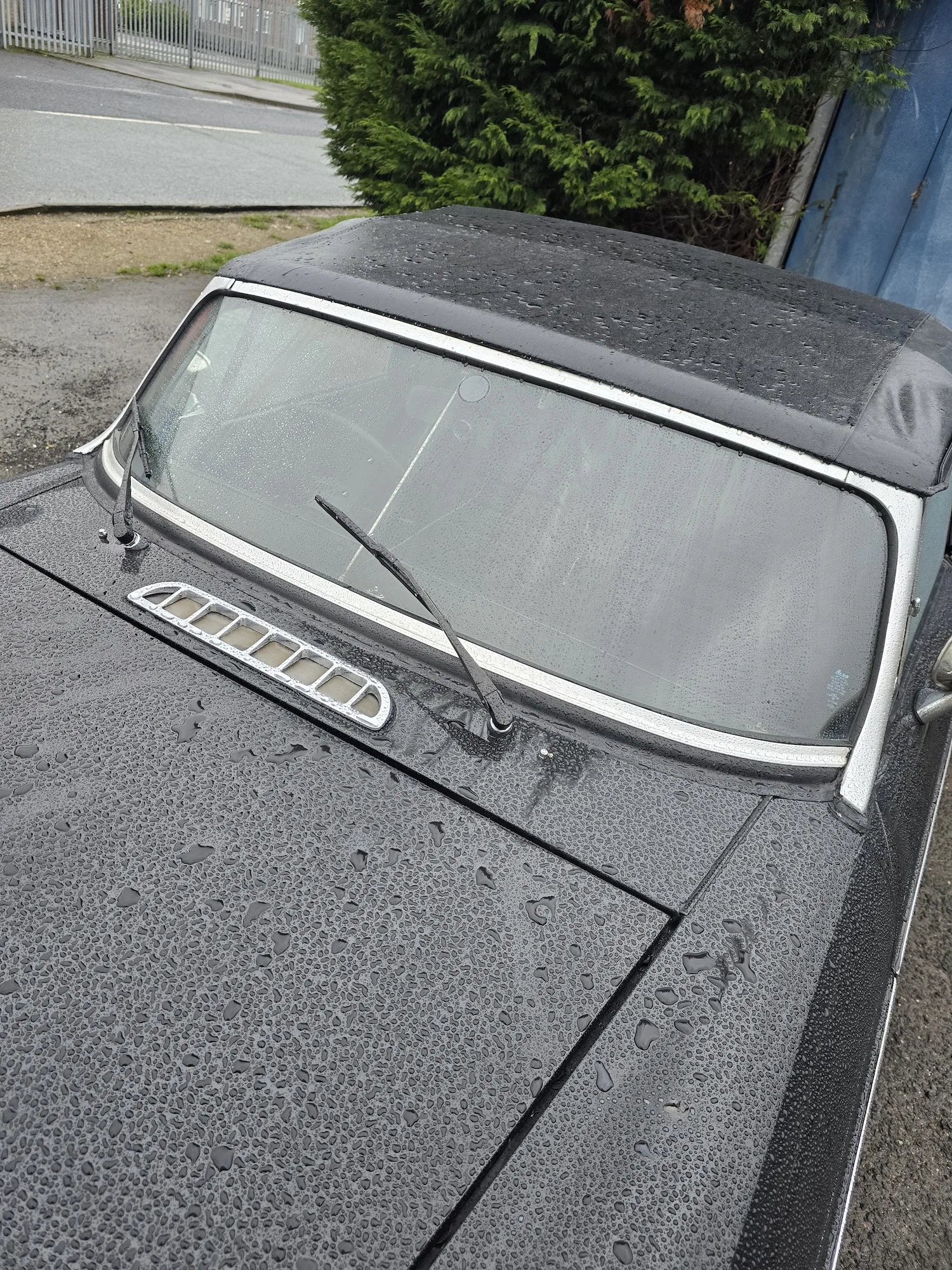
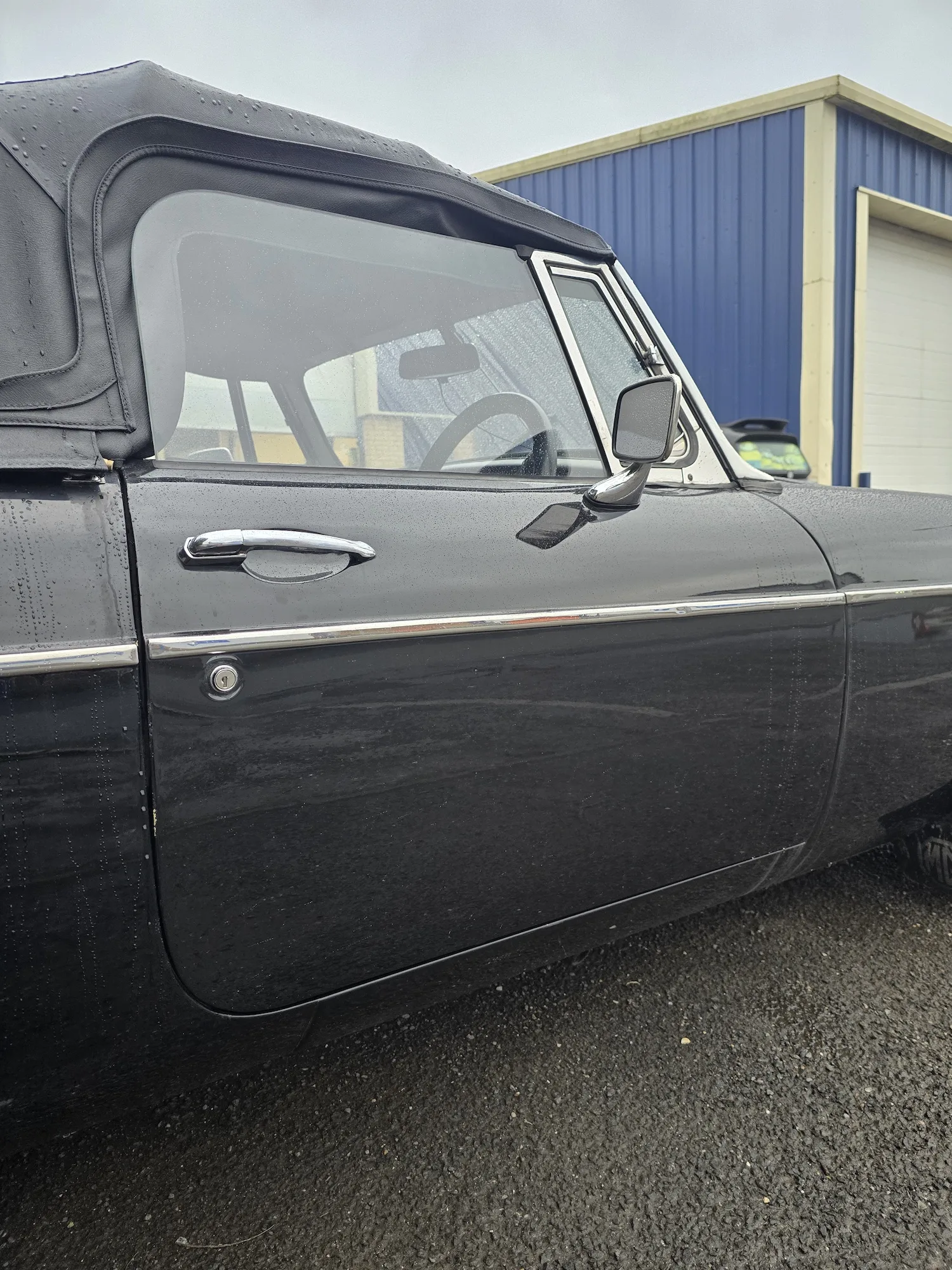
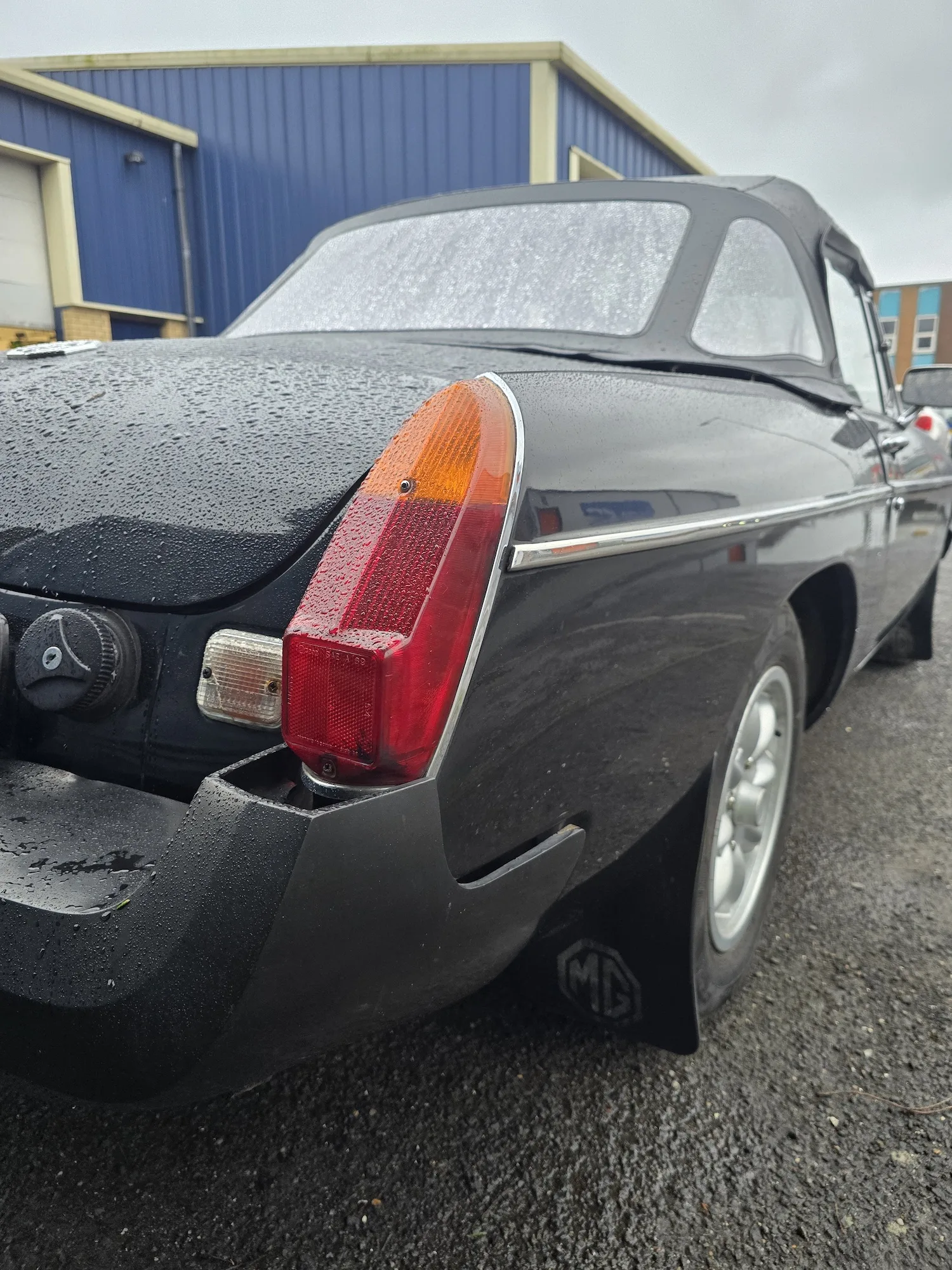
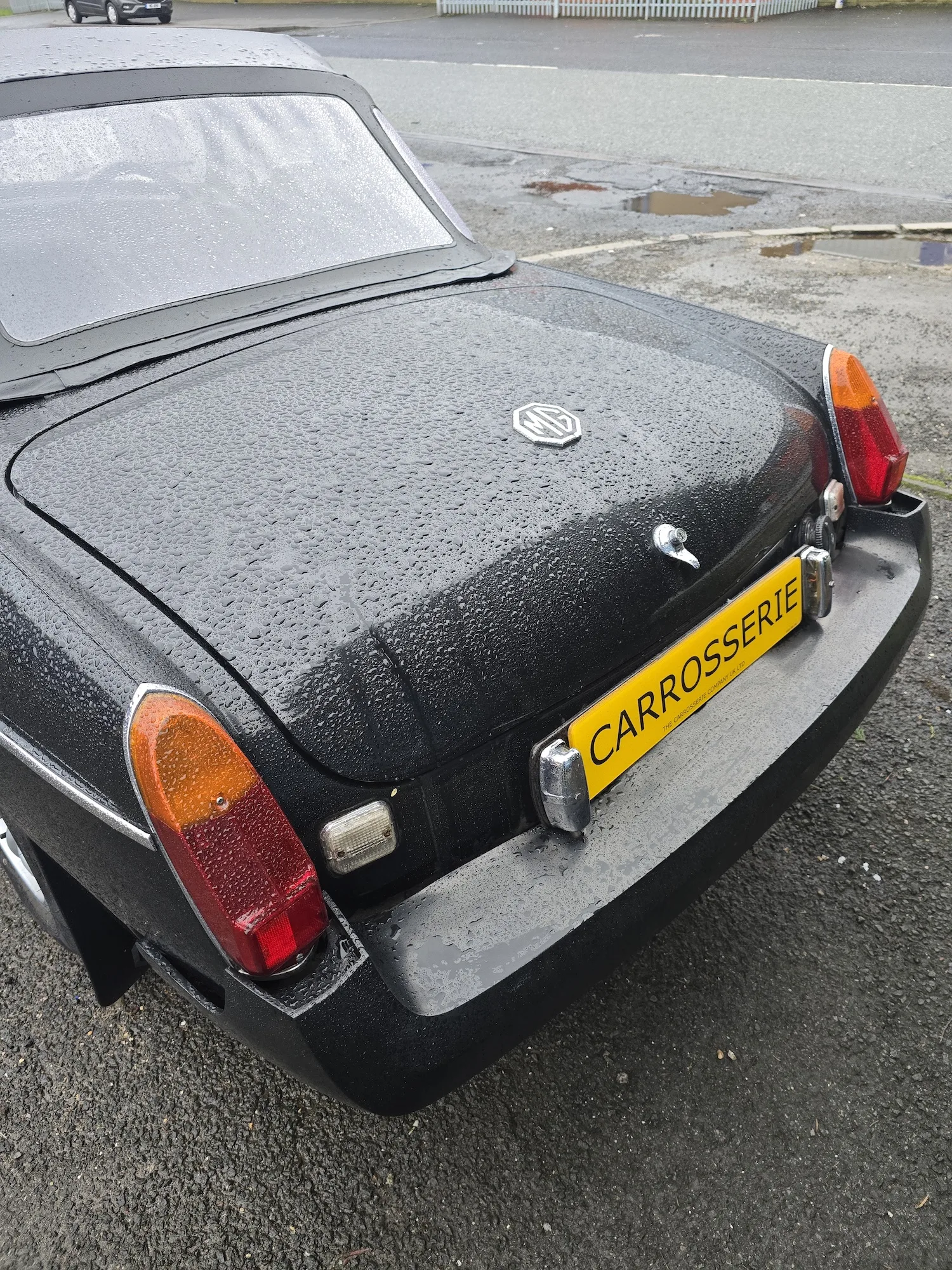
The 1975 MG B Roadster sits near the end of the MGB’s long and important life, and it reflects both the strengths of the original design and the compromises of the era.
The MGB was introduced in 1962 by MG (Morris Garages) as a modern replacement for the MGA. It was a major step forward, using a unitary (monocoque) body instead of a separate chassis, which improved rigidity, comfort and safety. From the start, the MGB Roadster became one of Britain’s most successful sports cars, especially in export markets such as the United States.
By 1975, the MGB had been in production for 13 years. The basic shape and mechanical layout were still recognisably the same as the early cars, but a number of changes had been made over time, largely driven by safety and emissions regulations, particularly for the American market.
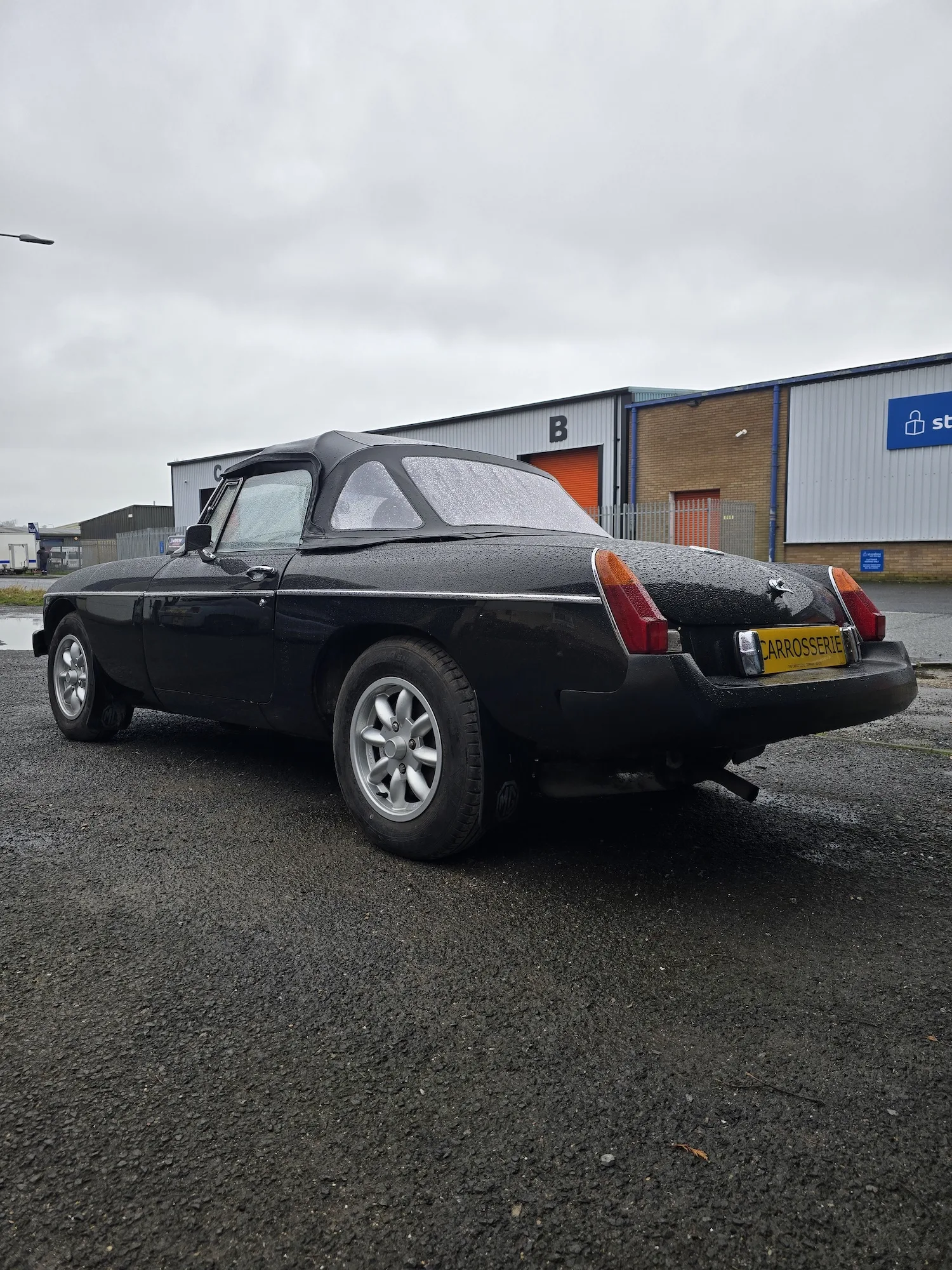
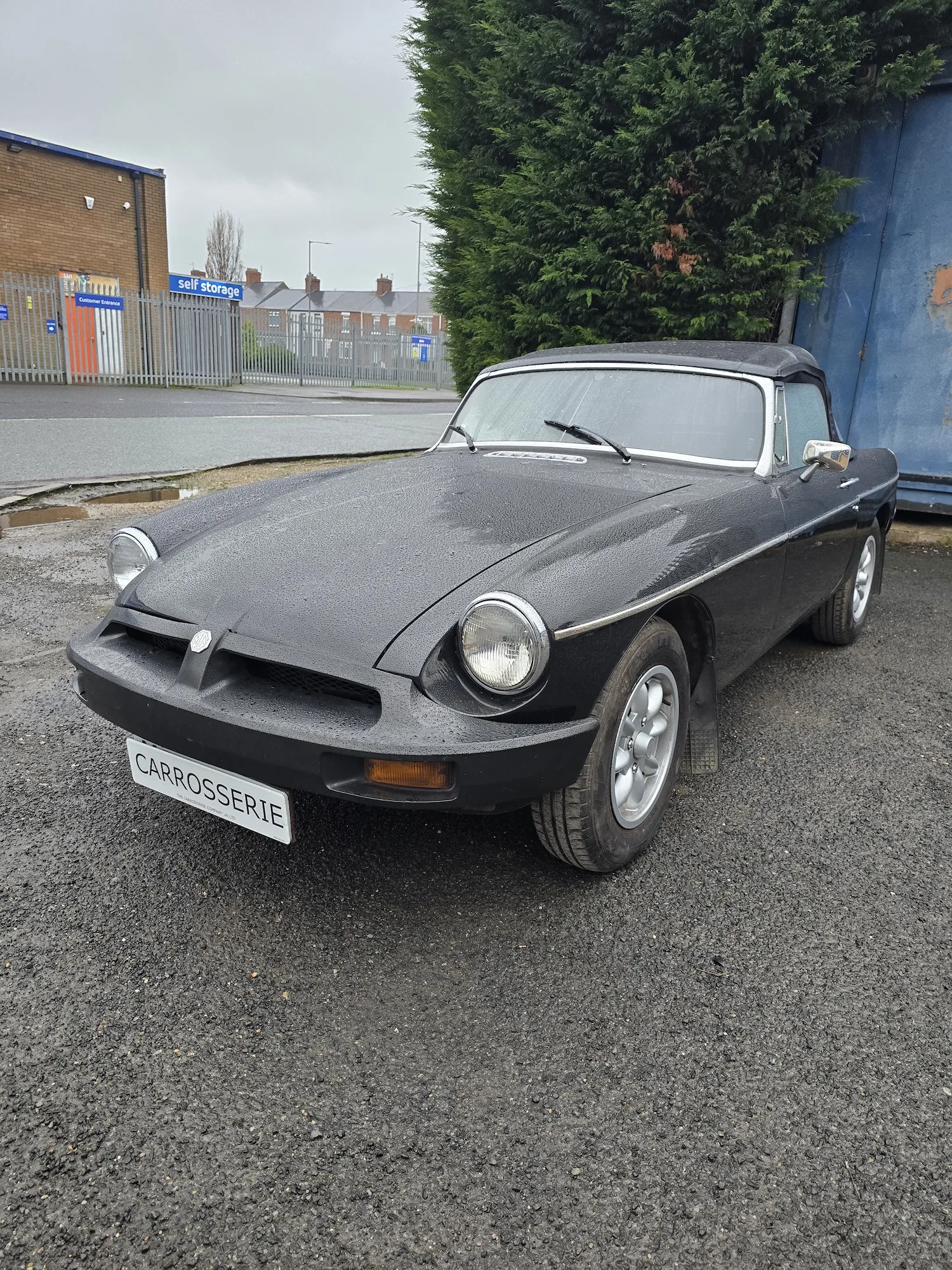
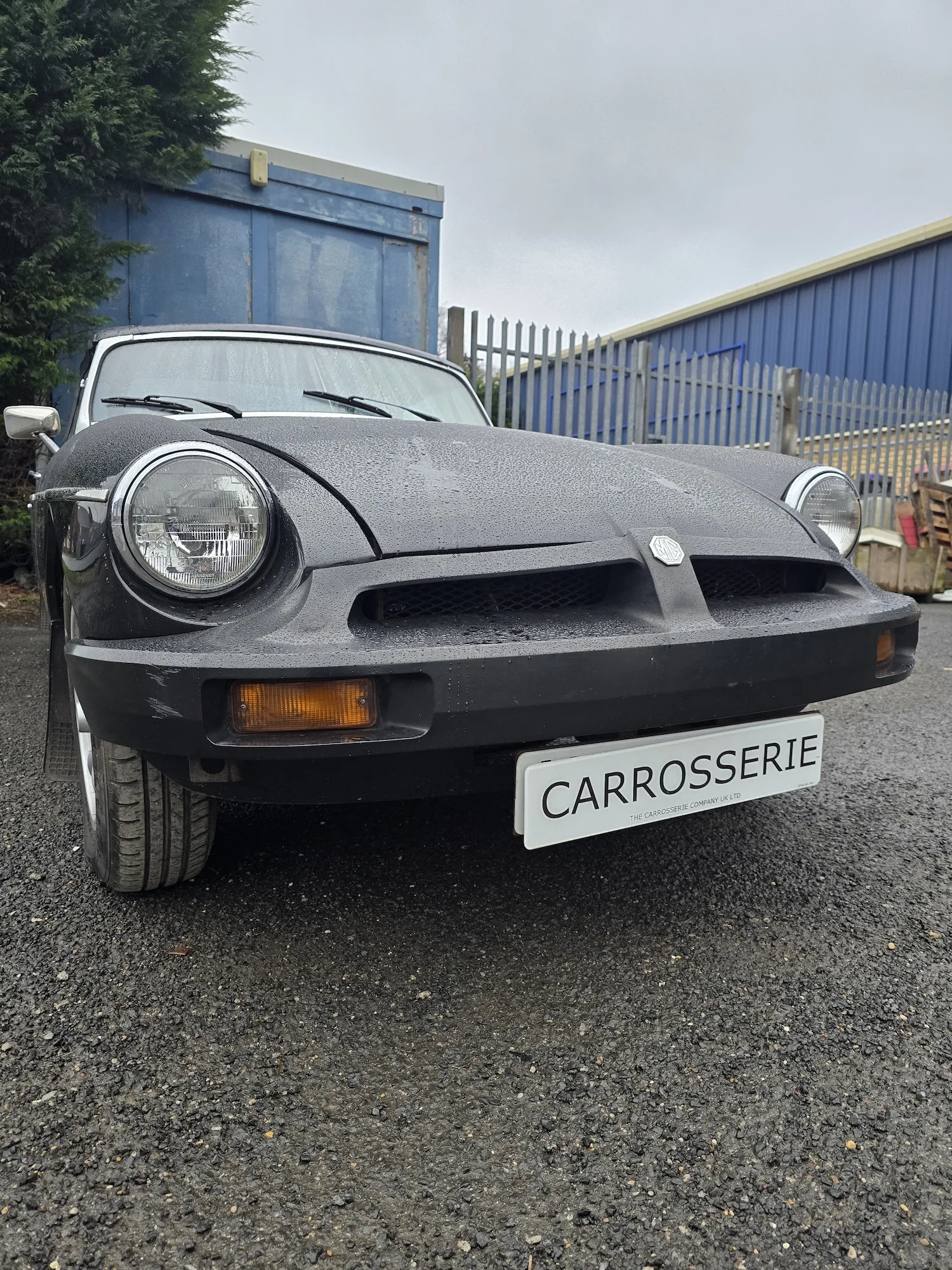
One of the most obvious features of a 1975 MGB Roadster is the large black rubber bumpers. These were introduced in late 1974 to meet US impact regulations. To accommodate the bumpers, the ride height was raised by about an inch, which altered the car’s stance and slightly affected handling. These changes were controversial with enthusiasts, but they allowed the MGB to remain on sale in key markets.
Mechanically, the 1975 car still used the familiar 1.8-litre B-series four-cylinder engine, an evolution of an engine design that dated back to the 1940s. In UK-specification cars, power output remained reasonable, while US-spec cars were fitted with emissions equipment that reduced performance. The four-speed manual gearbox was standard, with overdrive available as an option, which made motorway cruising more relaxed.
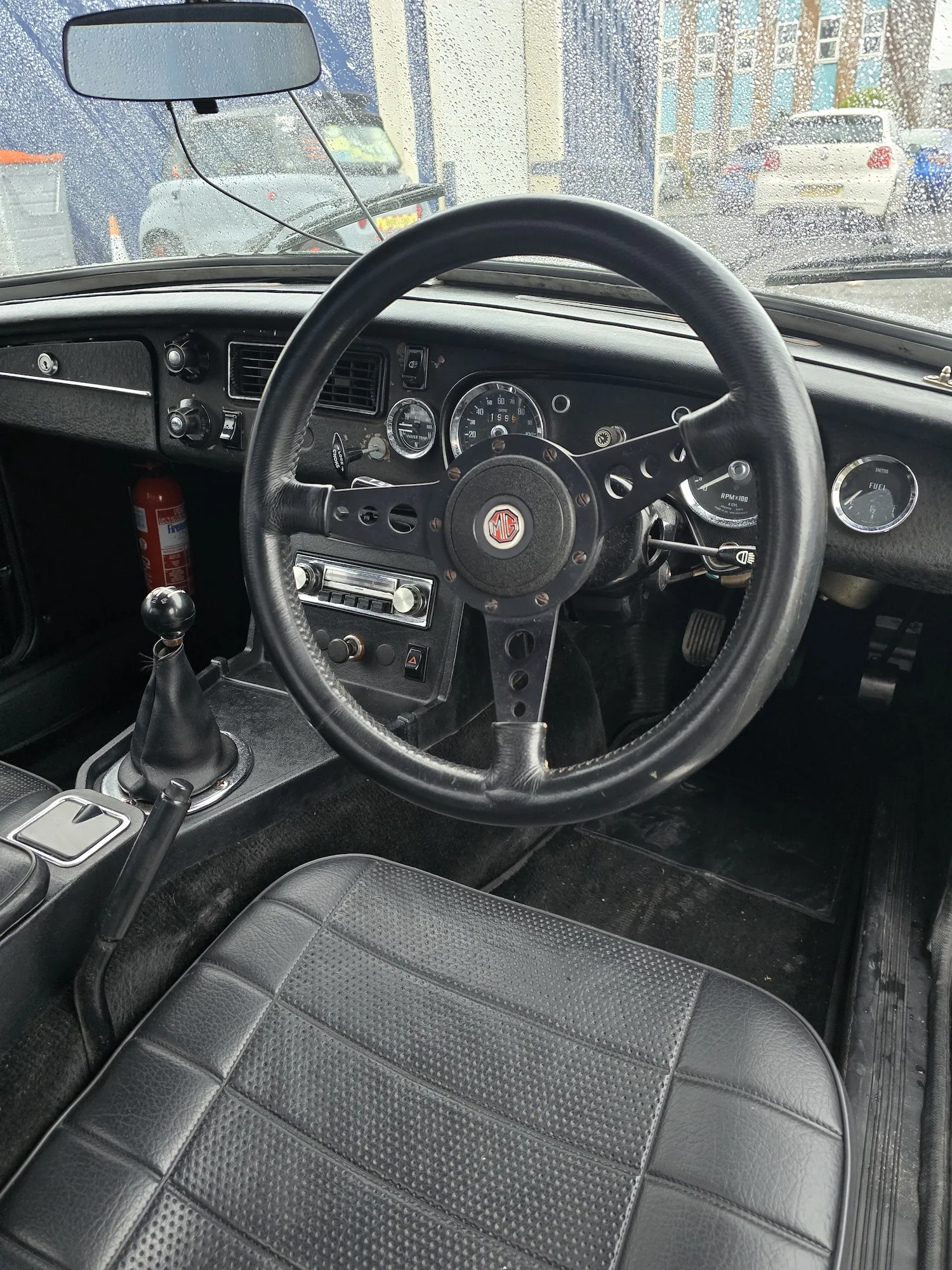
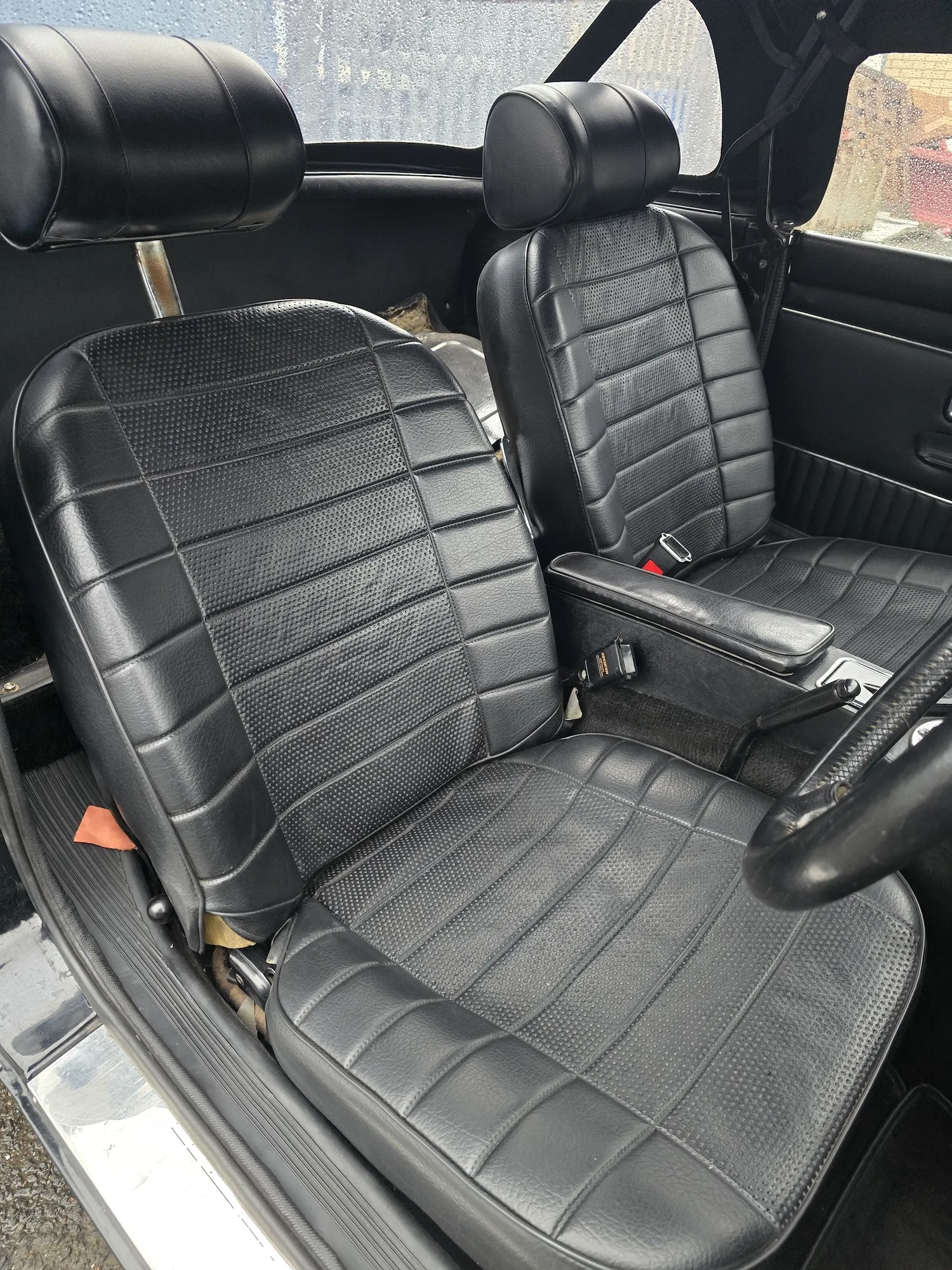
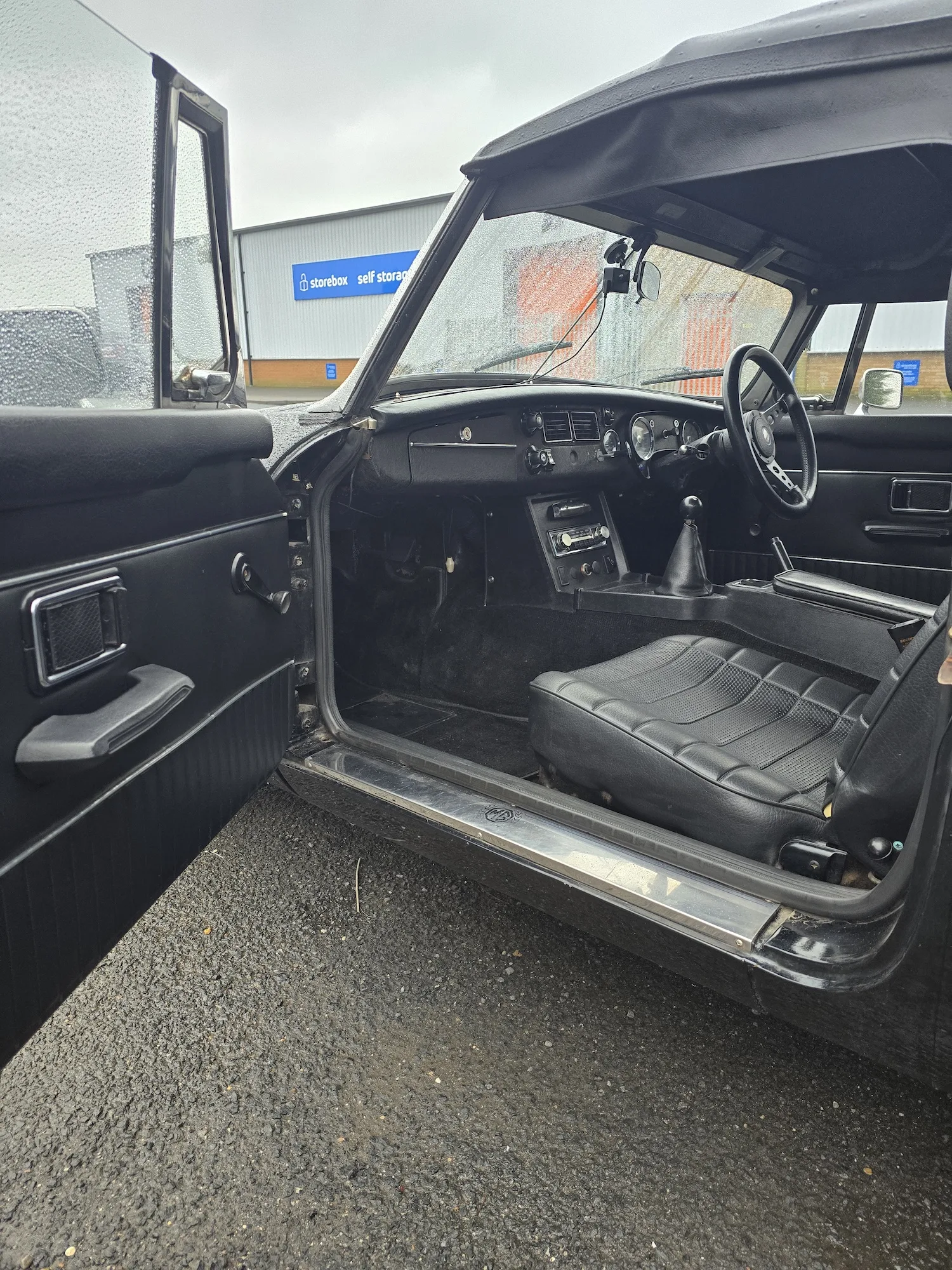
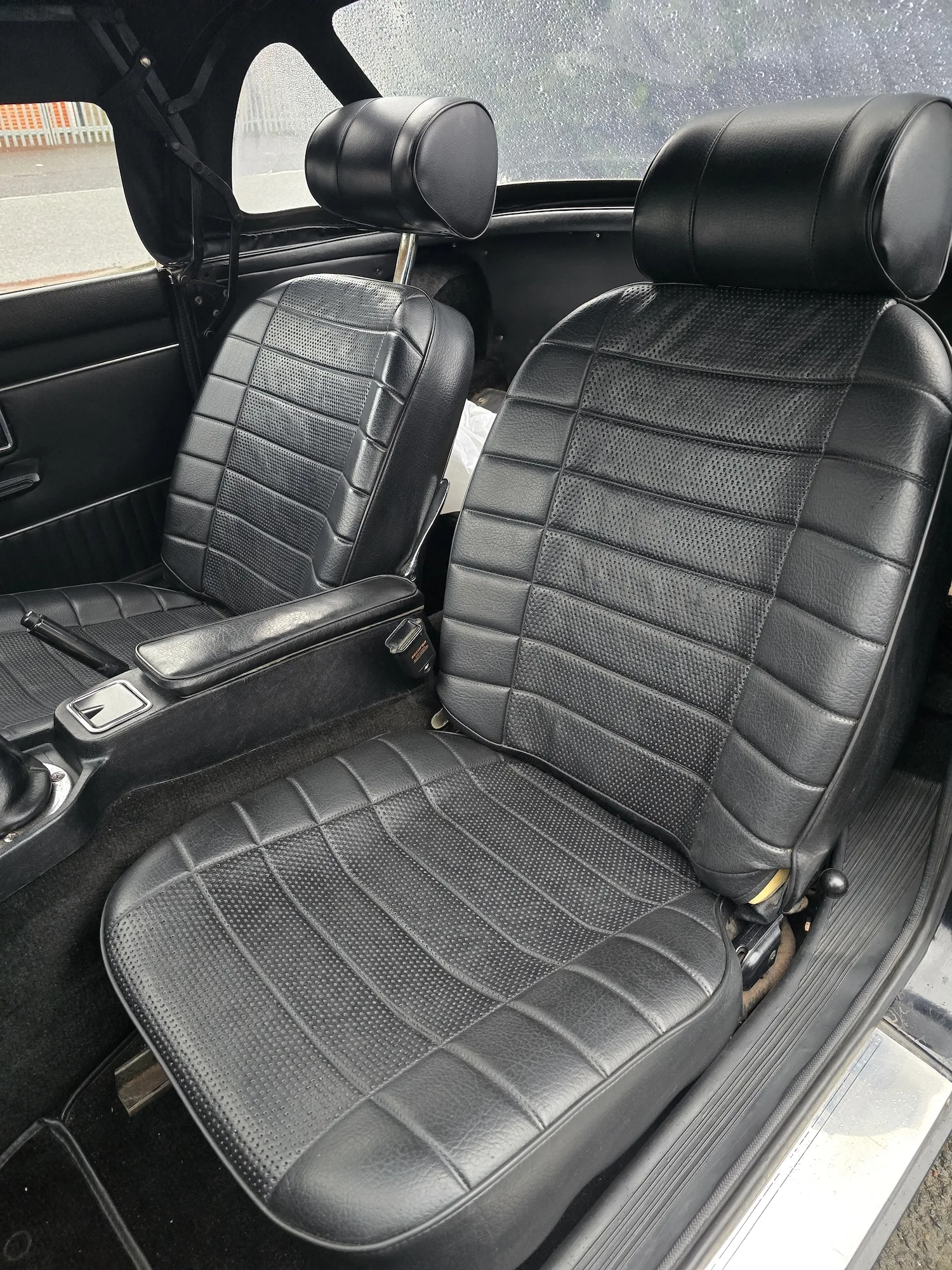
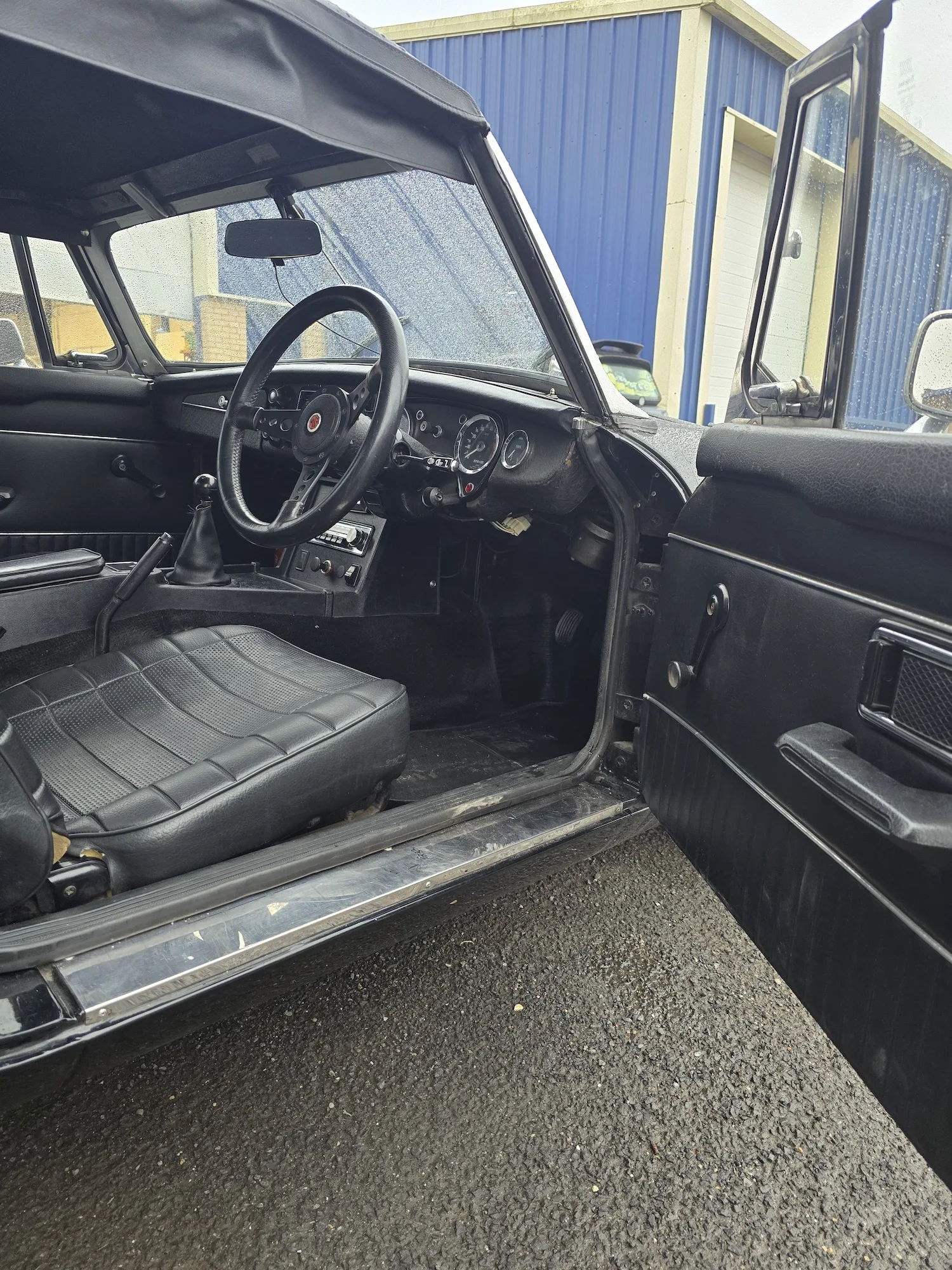
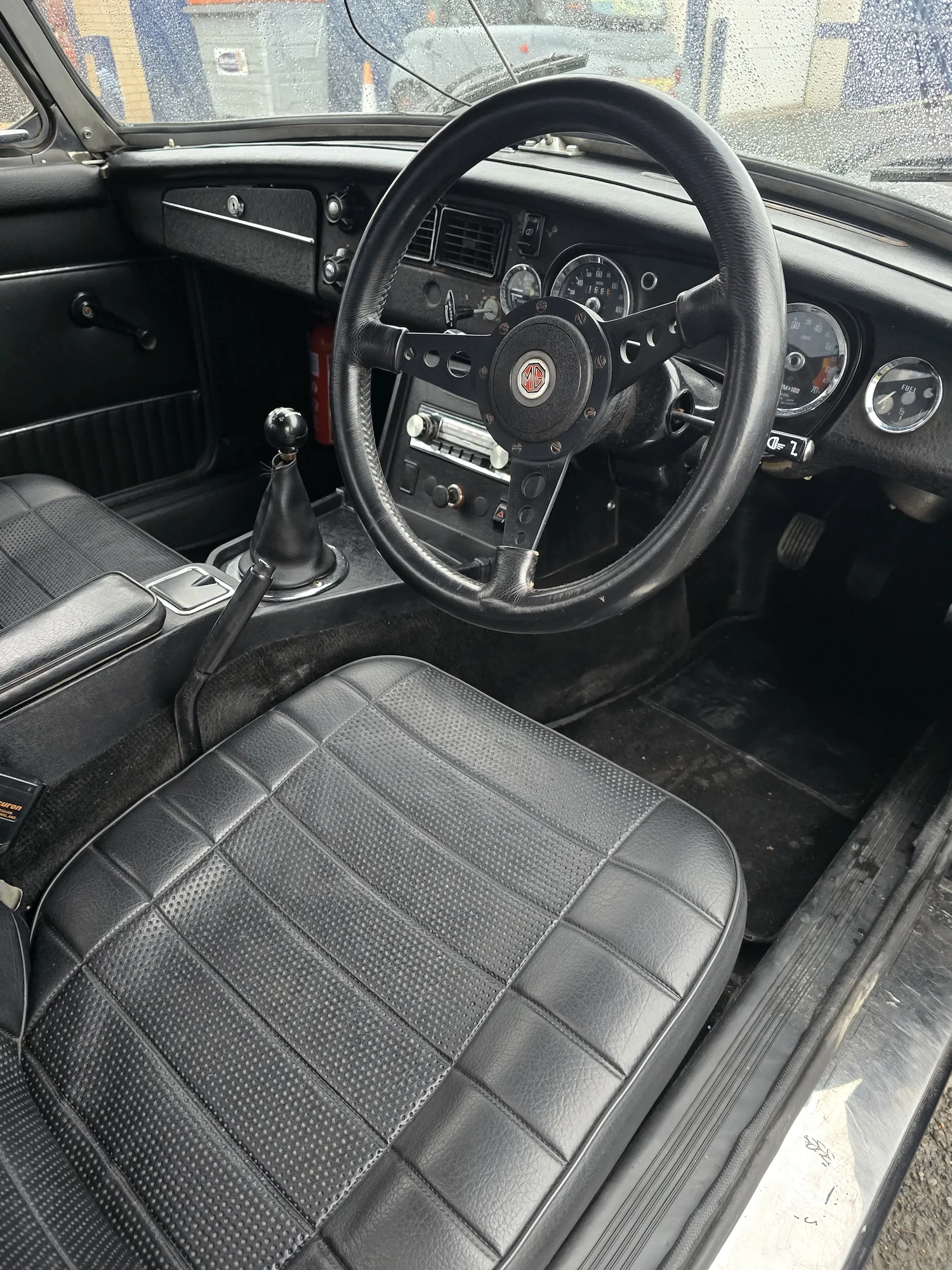
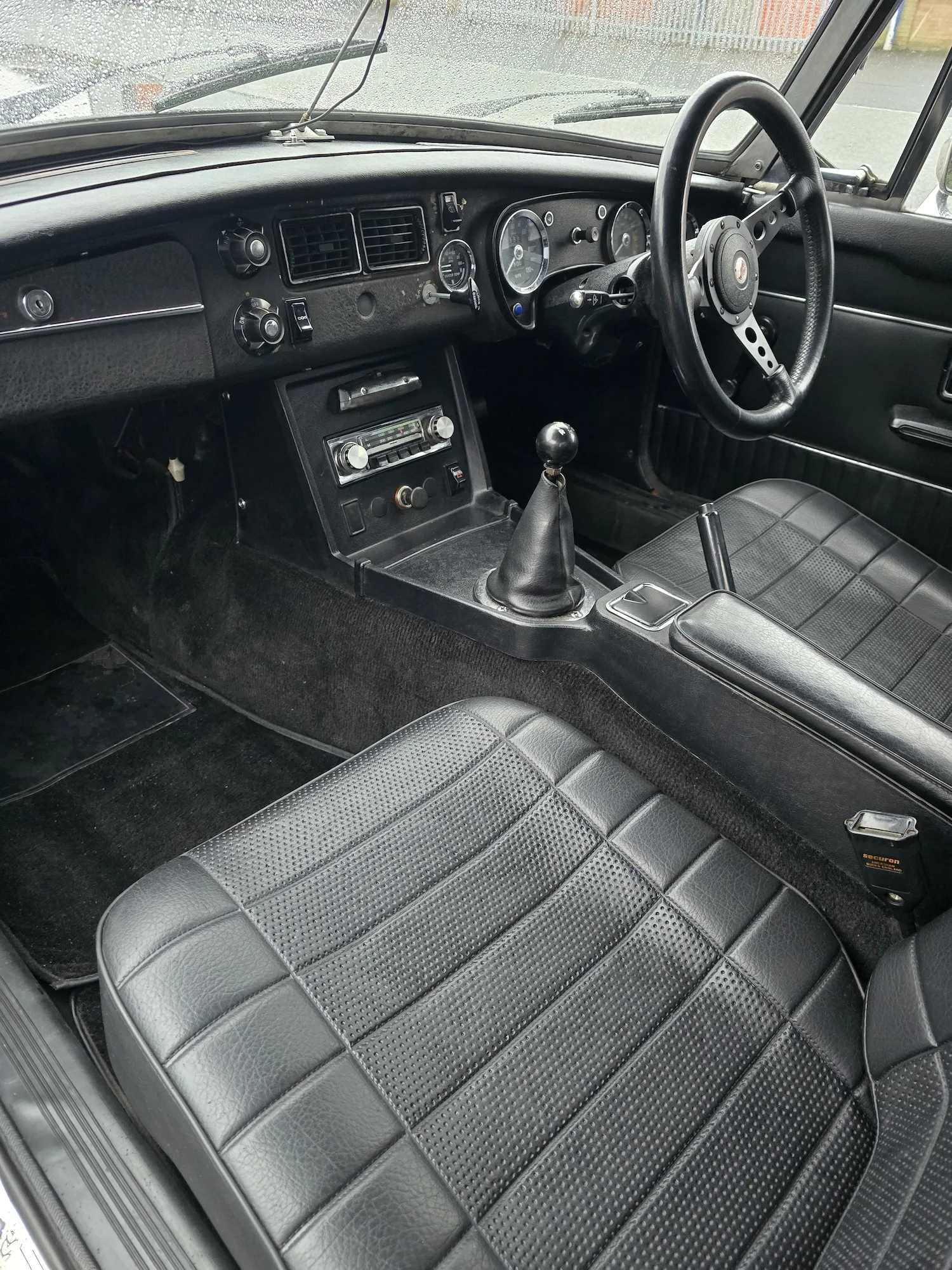
Inside, the 1975 Roadster was more civilised than early models. It had a padded dashboard, high-back seats with headrests, and improved heater and ventilation compared with the earliest cars. These updates reflected changing expectations, as sports cars were increasingly used for everyday driving rather than just weekend motoring.
By the mid-1970s, British Leyland, which owned MG, was struggling financially and industrially. Despite this, the MGB continued to sell well, thanks to its strong reputation, ease of maintenance and enjoyable driving character. The car remained relatively simple and affordable compared with many newer rivals.
The MGB Roadster continued in production until 1980, making it one of the longest-running sports car designs of its time. The 1975 model represents the later chapter of the story: a classic British sports car adapted to survive in a changing regulatory and economic landscape. Today, 1975 MGB Roadsters are valued both as usable classics and as part of the enduring legacy of MG and British sports car history.
Are you ready to start your restoration journey with us?
St Helen Way
St Helen Industrial Estate
Bishop Auckland
DL14 9AZ
Tel: 01833 630 011 / Mob: 07973 616 478
By signing up, you agree to the Carrosserie Privacy Policy